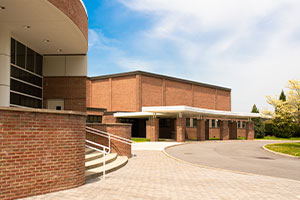
17311 135th Avenue NE
Woodinville, WA. 98072
425-481-2112
Woodinville, WA has several nearby treatment choices including: 1 low cost program, 0 inpatient rehab center, 4 drug rehabs that take private insurance like Cigna, 0 drug detox, 4 outpatient treatment programs.

For help finding an addiction treatment center, Call us!
All calls are 100% confidential and free
1-877-882-9275


Sound Family Center LLC has long been dedicated to assisting individuals recovery after a period of substance abuse. It has been doing this within Woodinville, Washington and in the surrounding areas for many years now. Today, Sound Family Center LLC offers services like trauma therapy, individual psychotherapy, substance abuse counseling approach, dialectical behavior therapy, activity therapy, motivational interviewing - which are all representative of their rehabilitation and treatment philosophies. Sound Family Center LLC believes that clients need unique and individualized treatment approaches to achieve lasting recovery. This is why it offers several programs, like housing services, legal advocacy, persons with post-traumatic stress disorder, persons who have experienced sexual abuse, active duty military, seniors or older adults - among other services listed in the following sections.
In the same way, Sound Family Center LLC offers inpatient drug and alcohol rehab programs, short term drug addiction treatment, detoxification facilities, long term treatment programs, outpatient substance abuse counseling and others. Sound Family Center LLC has relapse prevention programs that are designed to help clients maintain their sobriety. This addiction treatment center also uses treatment methods that can help you create both lasting and permanent stability.
Finally, Sound Family Center LLC accepts private health insurance, private pay, medicaid, medicare, military insurance, county or local government funds, state corrections or juvenile justice funds, as well as others.

Northshore Youth and Family Services is 4.5 miles from Woodinville, WA

Alpha Recovery Choices is 5.2 miles from Woodinville, WA
Alpha Recovery Choices has long been dedicated to helping its clients recovery after a period of drug and alcohol addiction. It has been doing this within Woodinville, WA. and in the surrounding communities for quite some time. Today, Alpha Recovery Choices provides services like trauma therapy, individual psychotherapy, substance abuse counseling approach, dialectical behavior therapy, activity therapy, motivational interviewing - which are all in line with their philosophy of the treatments and rehabilitation programs that work. Alpha Recovery Choices believes that clients need specially tailored treatment programs to achieve recovery. This is why it offers various programs, like housing services, legal advocacy, persons with post-traumatic stress disorder, persons who have experienced sexual abuse, active duty military, seniors or older adults - among other services listed in the following sections.
Alpha Recovery Choices offers inpatient drug and alcohol rehab programs, short term treatment centers, inpatient detoxification facilities, long term drug and alcohol rehabs, outpatient individual counseling and others. Alpha Recovery Choices has aftercare plans that are designed to help clients maintain their sobriety. This alcohol and drug treatment facility also uses treatment methods that can help you achieve lasting sobriety.
Finally, Alpha Recovery Choices accepts private insurance, private pay, medicare, medicaid, military insurance, county or local government funds, state corrections or juvenile justice funds, as well as others.
Helping someone afflicted with alcoholism requires a compassionate and supportive approach. The following steps can be useful in assisting an individual struggling with alcohol addiction:
"The duration of treatment for drug addiction can vary significantly depending on several factors, including the individual's unique needs, the severity and type of addiction, and the chosen treatment approach. There is no universally prescribed timeline for addiction treatment, as each person's journey to recovery is different. However, some general timeframes can be considered when discussing drug addiction treatment:
Detoxification: The initial detoxification process, during which the body clears itself of drugs and toxins, can range from a few days to several weeks, depending on the substance involved and the individual's physiological response.
Inpatient or residential treatment: Inpatient or residential treatment programs, which provide intensive, structured care in a controlled environment, typically last between 28 days and 90 days. However, some individuals may require extended stays of six months or longer, depending on their progress and specific needs.
Outpatient treatment: Outpatient treatment programs, which offer therapy and support while allowing individuals to continue living at home, can vary in duration and intensity. Some programs may last for several weeks or months, while others may continue for a year or more, with sessions becoming less frequent over time as the individual progresses in their recovery.
Aftercare and ongoing support: Recovery from addiction is a lifelong process, and ongoing aftercare and support are crucial for maintaining long-term sobriety. Aftercare may include continuing therapy, attending support group meetings, or participating in sober living communities. The duration of aftercare and ongoing support can vary based on individual needs and may continue indefinitely.
Research suggests that longer durations of treatment are generally more effective in promoting lasting recovery. The National Institute on Drug Abuse (NIDA) recommends a minimum of 90 days of treatment for most individuals, as shorter durations have been associated with higher relapse rates. However, it is essential to recognize that each person's path to recovery is unique, and the most effective treatment plans are tailored to their specific needs, goals, and circumstances."
For homeless individuals struggling with substance abuse, accessing help can be particularly challenging due to factors such as limited resources, absence of stable housing, and potential co-occurring mental health disorders. However, there are a number of avenues that a homeless person can explore to get help:
Government Programs: Many cities have government-funded programs that provide services for homeless individuals, including substance abuse treatment. These may include detoxification, outpatient counseling, residential treatment, and medication-assisted treatment. The U.S. Department of Housing and Urban Development (HUD) and the Substance Abuse and Mental Health Services Administration (SAMHSA) are two significant sources of such assistance.
Community Health Clinics: Community health clinics often offer a range of services, including substance abuse treatment, on a sliding scale based on income. These clinics also frequently provide referrals to other necessary services.
Nonprofit Organizations: Many nonprofit organizations offer resources and support for homeless individuals struggling with substance abuse. These may include recovery support groups, transitional housing, job training programs, and other services.
Outreach Programs: Outreach programs are designed to connect with individuals who may not seek help on their own. Outreach workers may go to places where homeless individuals congregate to provide resources and assistance.
Housing First Programs: These programs, which prioritize providing individuals with stable housing without requiring sobriety or participation in treatment first, have been shown to be effective in helping people maintain recovery and improve their quality of life.
Emergency Departments and Hospitals: In a crisis, emergency medical personnel can provide immediate assistance and connect individuals with longer-term substance abuse treatment resources.
Veterans Services: If the individual is a veteran, the U.S. Department of Veterans Affairs offers many services, including substance abuse treatment, mental health services, and housing assistance.
National Non Profit Helpline - 1-877-882-9275
Our National Non Profit Helpline is a 24/7, 365-day-a-year treatment referral and information service for individuals and families faced with mental and/or substance use disorders.
All calls are strictly confidential
Our service provides referrals to licensed treatment facilities, support groups, and community-based organizations. You don't have to struggle alone with addiction. Help is just a phone call away. Call 1-877-882-9275 now to get the help you need and deserve.



© Copyright 1998 - 2022 All Rights Reserved. Content is protected under copyright laws, do not use content without written permission.
