Airway Heights, Washington Drug and Alcohol Rehab Centers
Airway Heights, WA has nearby treatment options including: 4 medicaid programs, 1 inpatient rehab, 4 drug rehabs that take PPO insurance like UnitedHealthCare, 0 drug and alcohol detox, 3 outpatient treatment programs.
Get Help - Find a Rehab Center Today
Popular Searches for Drug and Alcohol Rehab in Airway Heights, Washington:
Skip To Rehab Listing
Drug and Alcohol Rehab Settings and Approaches in Airway Heights, WA.
Drug and alcohol dependency has an effect on individuals of all genders, ages and walks of life. The alcohol and drug rehab centers and resources, such as inpatient drug abuse treatment, long term drug and alcohol rehab programs, short term drug and alcohol rehab centers, outpatient day treatment, inpatient detox programs, are intended to offer excellent care to anyone who struggles with substance abuse, no matter their personal situation.
Drug and alcohol treatment programs in the Airway Heights area are not all the same. They offer a range of methods, such as activity therapy, individual psychotherapy, couple/family therapy, dual diagnosis drug rehab, rational emotive behavioral therapy, behavior modification, that enable patients to face their drug and alcohol abuse in the way that is most beneficial for them.
Special Programs for Addiction Recovery
Even with the pervasiveness of addiction, each individual who struggles with drug and alcohol abuse difficulties has their own specific circumstances that call for an individualized strategy. That is why the rehabs in Airway Heights offer a number of special resources such as seniors or older adults, aftercare/continuing care, clients with HIV/AIDS, active duty military, domestic violence, clients referred from the court/judicial system.
Treatment Payment Options
Clients and their loved ones should not postpone recovery because of worries about money. Rehabilitation programs offer many possibilities for payment, including the following: private health insurance, private pay, medicare, medicaid, sliding fee scale, access to recovery (atr) voucher, other state funds. Addiction treatment programs can guide clients and their loved ones toward the payment plans that will put recovery within reach.
Those who struggle with drug and alcohol addiction should not wait to access the many services available in Airway Heights.
Dr. Gina M Jansheski, M.D.

Dr. Po-Chang Hsu, M.D., M.S.

Renee Warmbrodt, RN, MSN, CPNP-PC

Substance Abuse Treatment Facilities Serving the Airway Heights, Washington Area:
 13015 West 14th Avenue
Airway Heights, WA. 99001
509-960-7938
Courage to Change has been dedicating its services and programs to helping people who are struggling with substances of abuse in Airway Heights, Washington and within the surrounding area.
Courage to Change offers a wide variety of treatment and rehabilitation methods, including inpatient treatment facilities, long term drug rehab facilities, short term rehab facilities, outpatient counseling, inpatient detoxification centers and more. Courage to Change also believes that it is vital that it offers individual services to ensure that individuals get the results that they require. This is why Courage to Change is specialized in activity therapy, individual psychotherapy, couple/family therapy, dual diagnosis drug rehab, rational emotive behavioral therapy, behavior modification, among other programs.
Courage to Change also provides seniors or older adults, aftercare/continuing care, clients with HIV/AIDS, active duty military, domestic violence, clients referred from the court/judicial system, and provides some of the best aftercare programs - all of which are necessary and helpful to its clients. This alcohol and drug treatment program also uses treatment methods that can help you achieve the best possible outcome.
Courage to Change also accepts the following types of payment - private health insurance, cash or self-payment, medicaid, medicare, sliding fee scale, access to recovery (atr) voucher, other state funds and more.
 934 South Garfield Road
Airway Heights, WA. 99001
509-789-7630
Camas Path BHS has been dedicating its treatment programs and services to helping people who are struggling with substances of abuse in Airway Heights, WA. and its surrounding area.
To this end, Camas Path BHS provides a wide variety of treatment and rehabilitation services, including inpatient addiction treatment facilities, long term rehabs, short term drug abuse treatment, outpatient individual counseling, outpatient detox programs and more. Camas Path BHS also believes that it is necessary that it presents tailored services to ensure that individuals get the results that they require. This is why Camas Path BHS is specialized in activity therapy, individual psychotherapy, couple/family therapy, dual diagnosis drug rehab, rational emotive behavioral therapy, behavior modification, among other programs.
Camas Path BHS also provides seniors or older adults, aftercare/continuing care, clients with HIV/AIDS, active duty military, domestic violence, clients referred from the court/judicial system, and offers some of the best continued recovery programs - all of which have been proved to be useful in helping its clients. This alcohol and drug rehab also uses treatment methods that can assist you in achieving long lasting sobriety.
Camas Path BHS also accepts the following forms of payment - private health insurance, private pay, medicare, medicaid, sliding fee scale, access to recovery (atr) voucher, other state funds and more.
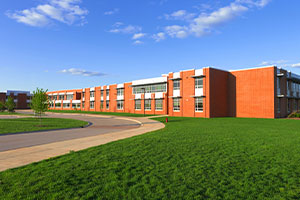
Mann Grandstaff VA Medical Center Substance Abuse Treatment Program

 4815 North Assembly Street
Spokane, WA. 99205
509-434-7014
Mann Grandstaff VA Medical Center is 6.7 miles from Airway Heights, Washington
Mann Grandstaff VA Medical Center has been dedicating its services and programs to helping individuals who are struggling with alcohol and drug abuse in Airway Heights and within the surrounding area.
Mann Grandstaff VA Medical Center offers a wide range of treatment and rehabilitation methods, including inpatient addiction treatment programs, long term rehab centers, short term drug and alcohol rehab facilities, outpatient substance abuse treatment services, detoxification programs and more. Mann Grandstaff VA Medical Center also believes that it is important that it offers tailored services to ensure that its clients get the results that they require. This is why Mann Grandstaff VA Medical Center is specialized in activity therapy, individual psychotherapy, couple/family therapy, dual diagnosis drug rehab, rational emotive behavioral therapy, behavior modification, among other programs.
Mann Grandstaff VA Medical Center also provides seniors or older adults, aftercare/continuing care, clients with HIV/AIDS, active duty military, domestic violence, clients referred from the court/judicial system, and provides some of the best continued recovery programs - all of which have been proved to be useful in helping its clients. This alcohol and drug rehab also uses treatment modalities that can help you achieve full stability both in the long term and permanently.
Mann Grandstaff VA Medical Center also accepts the following types of payment - private health insurance, private pay, medicare, medicaid, sliding fee scale, access to recovery (atr) voucher, other state funds and more.
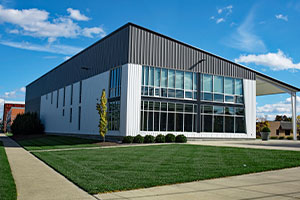
Isabella House
 2308 West 3rd Avenue
Spokane, WA. 99201
509-624-1244 x104
Isabella House is 6.7 miles from Airway Heights, Washington
Founded in 1980 New Horizon Care Centers (NHCC) is a multi-service organization that provides residential and outpatient addiction treatment services and mental health counseling. We specialize in co-occurring services including pregnant and parenting women (PPW) men's treatment and gambling services. To better meet the identified long-term needs of our patients we also offer low-income housing for women and men.
Find Drug and Alcohol Treatment Centers in or around the following Washington cities:
Top Cities For Recovery:
Commonly Asked Questions about Addiction and Treatment
What are the different ways to pay for addiction treatment?
"Paying for addiction treatment can be a significant concern for individuals and families seeking help. However, there are various options available to help cover the costs, making it more accessible to those in need. Here are some common ways to pay for addiction treatment:
- Insurance: Many health insurance plans, including those offered through the Affordable Care Act (ACA) or provided by employers, cover addiction treatment services to some extent. Coverage may include detoxification, inpatient or outpatient treatment, counseling, and medication-assisted treatment. It is essential to review your insurance policy or consult with your insurance provider to understand the specifics of your coverage, any copayments, and deductibles that may apply.
- Medicaid and Medicare: Both Medicaid and Medicare, government-funded health insurance programs, provide coverage for addiction treatment services for eligible individuals. Medicaid coverage varies by state, so it is crucial to check the guidelines and benefits for the state you reside in. Medicare covers addiction treatment under Part A (hospital services), Part B (outpatient care), and Part D (prescription medications).
- Private pay: Some individuals may choose to pay for addiction treatment services out of pocket, either because they do not have insurance coverage or prefer not to use their insurance for privacy reasons. Many treatment facilities offer sliding scale fees, payment plans, or discounts to make treatment more affordable for private pay clients.
- State-funded treatment programs: In many states, there are publicly funded addiction treatment programs that offer services to residents at low or no cost. These programs often prioritize individuals with low income, no insurance, or severe addiction issues. Availability and eligibility criteria may vary by state, so it is important to research and contact your state's department of health and human services for more information.
- Employee Assistance Programs (EAPs): Some employers offer Employee Assistance Programs, which provide confidential support, resources, and referrals for employees dealing with personal issues, including addiction. EAPs may cover the cost of short-term counseling or help connect employees with appropriate addiction treatment services.
- Scholarships and grants: Some treatment facilities, non-profit organizations, or advocacy groups may offer scholarships or grants to help cover the cost of addiction treatment for individuals in need. These opportunities may be limited and often require an application process, but they can be a valuable source of financial assistance.
- Crowdfunding and fundraising: Some individuals turn to crowdfunding platforms or organize fundraising events to help cover the costs of addiction treatment. This option allows friends, family, and community members to contribute and support the individual's journey to recovery.
- Loans: Personal loans or healthcare-specific loans can be used to finance addiction treatment. While taking on debt may not be ideal, it is an option to consider if other funding sources are not available.
"
How can I get help for opioid addiction?
If you or someone you know is struggling with opioid addiction, seeking help is a crucial first step towards recovery. There are several resources and options available to assist you in overcoming opioid addiction:
- Consult a healthcare professional: Speak with a doctor, therapist, or counselor who is experienced in addiction treatment. They can assess your situation, provide guidance, and recommend appropriate treatment options based on your individual needs.
- Medication-Assisted Treatment (MAT): MAT combines medications like methadone, buprenorphine, and naltrexone with counseling and behavioral therapies to treat opioid addiction. These medications can help manage withdrawal symptoms, reduce cravings, and decrease the likelihood of relapse.
- Inpatient treatment programs: Inpatient or residential treatment programs provide intensive, structured care in a controlled environment. These programs typically offer medical detoxification, therapy, counseling, and support group meetings to address the physical and psychological aspects of addiction.
- Outpatient treatment programs: Outpatient programs provide therapy, counseling, and support while allowing individuals to continue living at home and attending work or school. These programs vary in intensity and duration, offering a flexible option for those who cannot commit to inpatient treatment.
- Support groups: Attending support group meetings, such as Narcotics Anonymous (NA) or SMART Recovery, can provide valuable peer support and a sense of community during the recovery process. These meetings allow individuals to share experiences, learn coping strategies, and receive encouragement from others who have faced similar challenges.
- Therapy and counseling: Individual, group, or family therapy can help address the underlying psychological and emotional issues contributing to opioid addiction. Cognitive-Behavioral Therapy (CBT), Dialectical Behavior Therapy (DBT), and Motivational Interviewing (MI) are among the evidence-based therapies that can be beneficial in the recovery process.
- Helplines and crisis lines: If you need immediate assistance or information about opioid addiction and treatment resources, consider calling a helpline, such as our own (877-882-9275), or the Substance Abuse and Mental Health Services Administration (SAMHSA) National Helpline at 1-800-662-HELP (4357) or your local crisis hotline.
- Online resources: Websites like the National Institute on Drug Abuse (NIDA), the American Society of Addiction Medicine (ASAM), and the Substance Abuse and Mental Health Services Administration (SAMHSA) provide a wealth of information about opioid addiction and treatment options. Online forums and communities can also provide peer support and shared experiences.
What are triggers for a drug abuser?
"Triggers are specific events, emotions, situations, or people that can prompt someone with a history of substance abuse to feel a strong urge or craving to use drugs or alcohol again. These triggers can be external or internal, and they can vary greatly between individuals based on their unique experiences, environment, and psychological makeup. Recognizing and managing triggers is a critical part of the recovery process. Here are some common types of triggers:
Emotional Triggers: Strong emotions, both positive and negative, can act as triggers. Stress, anger, sadness, loneliness, anxiety, and even joy or excitement can prompt a desire to use substances as a way to cope or to enhance the emotional state.
Environmental Triggers: Certain locations, sounds, smells, or time of day associated with past substance use can elicit cravings. This could be places where the person used to use or buy drugs, people they used with, or even certain songs or smells linked to their past use.
Social Triggers: Social situations or specific individuals can serve as triggers, especially if they involve substance use or if the people involved were part of the person's drug-using past.
Physical Triggers: Physical discomfort, illness, or fatigue can potentially lead to cravings, as can the sight of drug paraphernalia or substances themselves.
Psychological Triggers: Thoughts or memories associated with drug use, low self-esteem, boredom, or mental health conditions such as depression or anxiety can also act as triggers.
Celebrations or Special Occasions: Birthdays, holidays, anniversaries, or other celebrations can be triggers, particularly if substance use was a past part of those events.
National Non Profit Helpline - 1-877-882-9275
Our National Non Profit Helpline is a 24/7, 365-day-a-year treatment referral and information service for individuals and families faced with mental and/or substance use disorders.
All calls are strictly confidential
Our service provides referrals to licensed treatment facilities, support groups, and community-based organizations. You don't have to struggle alone with addiction. Help is just a phone call away. Call 1-877-882-9275 now to get the help you need and deserve.
1-877-882-9275




