


1603 East Illinois Street
Bellingham, WA. 98226
360-647-4266
Bellingham, WA has various treatment options: 7 medicaid programs, 2 inpatient drug rehabs, 7 drug rehabs that take private insurance like Blue Cross Blue Shield, 4 drug and alcohol detox, 8 outpatient treatment programs.

For help finding an addiction treatment center, Call us!
All calls are 100% confidential and free
1-877-882-9275


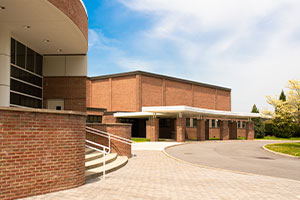
Ideal Option is committed to assisting the residents of Bellingham, WA. and the surrounding areas to getting their sobriety back after battling with alcohol and drug addiction. As such, Ideal Option administers a wide range of services in line with their belief of treatments that work - including long term drug addiction treatment, outpatient detoxification facilities, inpatient drug rehab facilities, short term drug addiction treatment, outpatient individual counseling and others.
Ideal Option also believes that it is vital that every person gets uniquely tailored treatment to ensure their recovery. This is why it is specialized in a wide variety of treatment modalities, including couple/family therapy, trauma-related counseling, matrix model, group therapy, brief intervention approach, contingency management/motivational incentive and others. Additionally, Ideal Option is specialized in treatment for spanish-speaking clients, transgender or (LGBT) clients, persons who have experienced sexual abuse, seniors or older adults, persons with post-traumatic stress disorder, housing services, as well as other special programs. In general, the treatment methods that this addiction treatment program uses can provide the level of stability that is as permanent as it is lasting.
Lastly, Ideal Option accepts private medical insurance, cash or self-payment, medicaid, medicare, sliding fee scale, state corrections or juvenile justice funds, state welfare or child and family services funds and more.

Belair Clinic is committed to helping the residents of Bellingham, Washington and the surrounding areas to find full recovery after a period of struggling with drug and alcohol addiction. Because of this, Belair Clinic offers a wide assortment of services in line with their belief of treatments that work - including long term treatment centers, detoxification facilities, inpatient drug and alcohol rehab facilities, short term addiction treatment centers, outpatient substance abuse counseling and others.
Belair Clinic also feels that it is vital that every individual gets uniquely tailored treatment to ensure their recovery. This is why it is specialized in a wide variety of treatment modalities, including couple/family therapy, trauma-related counseling, matrix model, group therapy, brief intervention approach, contingency management/motivational incentive and others. In addition, Belair Clinic is specialized in treatment for spanish-speaking clients, transgender or (LGBT) clients, persons who have experienced sexual abuse, seniors or older adults, persons with post-traumatic stress disorder, housing services, as well as other special programs. In general, the treatment services that this drug and alcohol rehab program uses aims to provide positive and lasting change for each individual.
Lastly, Belair Clinic accepts private medical insurance, cash or self-payment, medicare, medicaid, sliding fee scale, state corrections or juvenile justice funds, state welfare or child and family services funds and more.

Catholic Community Services is dedicated to helping the community of Bellingham and the surrounding areas to getting their sobriety back after battling with alcohol and drug addiction. As such, Catholic Community Services administers a wide variety of services in line with their belief of treatments that work - including long term drug rehab facilities, detox centers, inpatient drug treatment, short term drug addiction treatment, outpatient counseling and others.
Catholic Community Services also feels that it is vital that every individual client gets highly personalized services to ensure their recovery. This is why it is specialized in a wide variety of treatment methods, including couple/family therapy, trauma-related counseling, matrix model, group therapy, brief intervention approach, contingency management/motivational incentive and others. In addition, Catholic Community Services is specialized in treatment for spanish-speaking clients, transgender or (LGBT) clients, persons who have experienced sexual abuse, seniors or older adults, persons with post-traumatic stress disorder, housing services, as well as other special programs. In general, the treatment methods that this drug and alcohol rehab center uses can provide the level of stability that is as permanent as it is lasting.
Lastly, Catholic Community Services accepts private health insurance, private pay, medicaid, medicare, sliding fee scale, state corrections or juvenile justice funds, state welfare or child and family services funds and more.

Lifeline Connections is devoted to helping the residents of Bellingham, WA. and the surrounding areas to find full recovery after a period of struggling with drug and alcohol addiction. Because of this, Lifeline Connections accommodates a wide collection of services in line with their belief of treatments that work - including long term drug and alcohol rehab programs, detox programs, inpatient addiction treatment programs, short term rehab facilities, outpatient substance abuse counseling and others.
Lifeline Connections also believes that it is crucial that every individual client gets specific treatments that are tailored to their needs to help ensure treatment is a success. This is why it is specialized in a wide variety of treatment modalities, including couple/family therapy, trauma-related counseling, matrix model, group therapy, brief intervention approach, contingency management/motivational incentive and others. Additionally, Lifeline Connections is specialized in treatment for spanish-speaking clients, transgender or (LGBT) clients, persons who have experienced sexual abuse, seniors or older adults, persons with post-traumatic stress disorder, housing services, as well as other special programs. In general, the treatment methods that this drug and alcohol treatment facility uses strive to achieve true and lasting sobriety for each of its clients.
Lastly, Lifeline Connections accepts private health insurance, cash or self-payment, medicare, medicaid, sliding fee scale, state corrections or juvenile justice funds, state welfare or child and family services funds and more.

Lake Whatcom Residential and Trt Ctr is dedicated to helping the residents of Bellingham, Washington and the surrounding areas to getting their sobriety back after battling with alcohol and drug addiction. Lake Whatcom Residential and Trt Ctr provides a wide array of services in line with their belief of treatments that work - including long term rehab centers, inpatient detox programs, inpatient drug and alcohol rehab programs, short term rehabs, outpatient substance abuse counseling and others.
Lake Whatcom Residential and Trt Ctr also feels that it is of the upmost importance that every individual client gets uniquely tailored treatment to ensure their recovery. This is why it is specialized in a wide variety of treatment modalities, including couple/family therapy, trauma-related counseling, matrix model, group therapy, brief intervention approach, contingency management/motivational incentive and others. In addition, Lake Whatcom Residential and Trt Ctr is specialized in treatment for spanish-speaking clients, transgender or (LGBT) clients, persons who have experienced sexual abuse, seniors or older adults, persons with post-traumatic stress disorder, housing services, as well as other special programs. In general, the treatment methods that this drug and alcohol treatment program uses aims to provide positive and lasting change for each individual.
Lastly, Lake Whatcom Residential and Trt Ctr accepts private health insurance, private pay, medicaid, medicare, sliding fee scale, state corrections or juvenile justice funds, state welfare or child and family services funds and more.
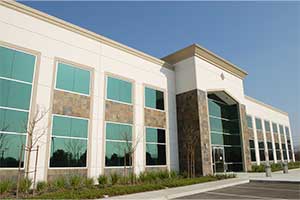
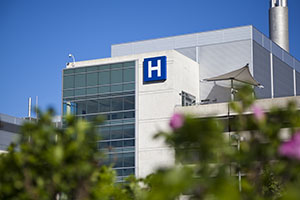
Cascade Medical Advantage is devoted to assisting the community of Bellingham and the surrounding areas to getting their life back after struggling with substance abuse. Because of this, Cascade Medical Advantage offers a wide collection of services in line with their philosophy of treatments that work - including long term drug and alcohol rehabs, detoxification facilities, inpatient treatment centers, short term drug and alcohol rehab centers, intensive outpatient treatment and others.
Cascade Medical Advantage also feels that it is necessary that every individual client gets specific treatments that are tailored to their needs to help ensure treatment is a success. This is why it is specialized in a wide variety of treatment modalities, including couple/family therapy, trauma-related counseling, matrix model, group therapy, brief intervention approach, contingency management/motivational incentive and others. Additionally, Cascade Medical Advantage is specialized in treatment for spanish-speaking clients, transgender or (LGBT) clients, persons who have experienced sexual abuse, seniors or older adults, persons with post-traumatic stress disorder, housing services, as well as other special programs. In general, the treatment services that this alcohol and drug treatment program uses can provide the level of stability that is as permanent as it is lasting.
Lastly, Cascade Medical Advantage accepts private medical insurance, private pay, medicare, medicaid, sliding fee scale, state corrections or juvenile justice funds, state welfare or child and family services funds and more.
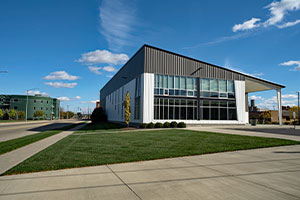
Lummi Counseling Services is devoted to assisting the community of Bellingham, WA. and the surrounding areas to recovering from the problems and issues that arrive from drug an/or alcohol abuse. As such, Lummi Counseling Services provides a wide variety of services in line with their belief of treatments that work - including long term drug rehab facilities, inpatient detox facilities, inpatient drug addiction treatment, short term addiction treatment programs, outpatient individual counseling and others.
Lummi Counseling Services also believes that it is important that every person gets uniquely tailored treatment to ensure their recovery. This is why it is specialized in a wide variety of treatment modalities, including couple/family therapy, trauma-related counseling, matrix model, group therapy, brief intervention approach, contingency management/motivational incentive and others. In addition, Lummi Counseling Services is specialized in treatment for spanish-speaking clients, transgender or (LGBT) clients, persons who have experienced sexual abuse, seniors or older adults, persons with post-traumatic stress disorder, housing services, as well as other special programs. In general, the treatment methods that this substance abuse treatment center uses aims to provide positive and lasting change for each individual.
Lastly, Lummi Counseling Services accepts private insurance, private pay, medicaid, medicare, sliding fee scale, state corrections or juvenile justice funds, state welfare or child and family services funds and more.

Opioid withdrawal can be a challenging process that presents both physical and psychological symptoms. These symptoms can range from mild to severe, depending on factors like the type of opioid used, the duration and intensity of use, individual health status, and genetic factors. Here are common symptoms that might be experienced during opioid withdrawal:
Physical Symptoms:
Psychological Symptoms:
These symptoms can begin as early as a few hours after the last dose of the opioid and typically peak within 72 hours, though they may persist for a week or more. Post-acute withdrawal symptoms, which are primarily psychological, can continue for weeks or even months.
It's important to note that while opioid withdrawal can be extremely uncomfortable, it is generally not life-threatening. However, complications like severe dehydration due to vomiting and diarrhea can occur, which is why medical supervision is recommended during the withdrawal process. Furthermore, the risk of relapse is high during withdrawal, and using opioids again after a period of abstinence can lead to a potentially fatal overdose, as tolerance may have decreased.
Drug addiction can significantly change an individual's personality in various ways. The changes are often a result of how the substance interacts with the brain and can affect one's behaviors, emotions, and interactions with others. Here are some common ways in which drug addiction may alter personality:
Increased Aggression or Irritability: Substances can affect the brain's balance of neurotransmitters, leading to changes in mood and behavior. This can result in increased aggression, irritability, or mood swings, which might not align with the person's typical personality traits.
Decreased Motivation: Many addictive substances can lead to a decreased interest or motivation in activities that were once enjoyed. This can result in a noticeable change in personality, as the person may appear apathetic or disinterested in life outside their substance use.
Increased Impulsivity and Risk-taking: Drug addiction often leads to increased impulsivity and risk-taking behaviors. This is due to changes in the brain's reward system and decision-making processes, leading individuals to take more risks to obtain the substance, often disregarding the potential consequences.
Paranoia and Anxiety: Some substances can induce feelings of paranoia or increase levels of anxiety. Individuals who were previously calm and trusting may become suspicious, anxious, or overly worried.
Depression: Many individuals struggling with substance use disorders also experience symptoms of depression. This can lead to a noticeable change in personality, including increased sadness, lethargy, and withdrawal from social activities.
Manipulative Behavior: In order to continue using and obtaining drugs, individuals may resort to manipulative behaviors, such as lying, stealing, or deceit. This can result in a significant change in personality, as individuals may prioritize their addiction over their relationships and personal values.
Social Isolation: As drug addiction progresses, individuals may isolate themselves from family and friends, either to hide their substance use or because their primary relationships are increasingly with others who are using drugs.
Neglect of Personal Care: Addiction can lead to neglect of personal care and hygiene, which may manifest in physical changes as well as shifts in personality traits related to self-discipline and self-respect.
Yes, research indicates that genetic factors can play a significant role in an individual's susceptibility to drug and alcohol addiction, although they are only part of the picture. It's estimated that genetics account for approximately 40-60% of a person's vulnerability to addiction, with the remaining risk coming from environmental and psychological factors.
Here's a closer look at the role of genetics in substance use disorders:
Genetic Predisposition: Certain genetic variations can influence how an individual reacts to drugs or alcohol. For example, some people might experience a more intense "high," or they might not get unpleasant side effects that deter others from continued use. These genetic differences can increase the likelihood of repeated use and, ultimately, addiction.
Co-occurring Disorders: Genetic factors can also contribute to mental health disorders such as depression, anxiety, or bipolar disorder. Individuals with these conditions are often at a higher risk for substance abuse and addiction, creating a potential link between genetic predisposition to these mental health conditions and increased risk for addiction.
Family History: A family history of addiction can indicate a possible genetic predisposition. If close relatives, such as parents or siblings, have struggled with addiction, an individual may be more likely to develop a substance use disorder. However, a family history of addiction also often comes with certain environmental factors that can increase risk, such as exposure to substance use at a young age or a lack of stable, supportive family structures.
Epigenetics: Epigenetics, or changes in gene expression due to experiences and environment, can also play a role in addiction. For instance, exposure to high levels of stress or trauma can cause changes in the way genes function, potentially increasing susceptibility to addiction.
However, it's essential to understand that while genetics can increase the risk for addiction, they do not determine destiny. Environmental factors such as exposure to drugs, family environment, peer influences, and individual resilience can heavily influence whether a person with a genetic predisposition will develop a substance use disorder. Furthermore, effective prevention and treatment strategies can help individuals at risk for or struggling with addiction to lead healthy, fulfilling lives.
National Non Profit Helpline - 1-877-882-9275
Our National Non Profit Helpline is a 24/7, 365-day-a-year treatment referral and information service for individuals and families faced with mental and/or substance use disorders.
All calls are strictly confidential
Our service provides referrals to licensed treatment facilities, support groups, and community-based organizations. You don't have to struggle alone with addiction. Help is just a phone call away. Call 1-877-882-9275 now to get the help you need and deserve.



© Copyright 1998 - 2022 All Rights Reserved. Content is protected under copyright laws, do not use content without written permission.

