

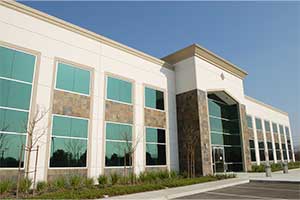
339 Reed Avenue
Manitowoc, WI. 54220
920-320-8600
Manitowoc, WI has several nearby treatment choices including: 2 medicare treatment centers, 2 inpatient treatment centers, 3 drug rehabs that take PPO insurance like UnitedHealthCare, 1 drug detox, 3 outpatient treatment programs.

For help finding an addiction treatment center, Call us!
All calls are 100% confidential and free
1-877-882-9275



CORE Treatment Services Inc is an alcohol and drug rehabilitation program for individuals living in the local community while battling a substance use disorder . It provides services like trauma-related counseling, relapse prevention, group therapy, dialectical behavior therapy, rational emotive behavioral therapy, trauma therapy and more, that are in keeping with its philosophy of the treatments that have been proved to work.
CORE Treatment Services Inc believes in individualized care to make sure that their patients achieve the best possible results. The drug and alcohol rehabilitation program has also specialized in other treatments like substance abuse education, persons with eating disorders, seniors or older adults, veterans, persons with post-traumatic stress disorder, persons with serious mental illness - among many others. All these services are also provided by CORE Treatment Services Inc in different settings like inpatient treatment programs, long term drug and alcohol rehab facilities, detoxification centers, short term treatment centers, outpatient hospital programs, as well as others.
In addition, it has aftercare planning and other treatment methods designed to help you find lasting stability. These services have ensured that CORE Treatment Services Inc has a special place within the local community, especially because they lead to positive long term outcomes for the clients who enroll into this substance abuse treatment center. Last but not least, CORE Treatment Services Inc accepts private health insurance, private pay, medicaid, medicare, military insurance, other state funds, state corrections or juvenile justice funds and others.

Nett Work Family Counseling LLC is a drug and alcohol rehabilitation program for people residing in the local community while battling an alcohol and drug abuse issue and co-occurring mental health disorder. As such, it offers services like trauma-related counseling, relapse prevention, group therapy, dialectical behavior therapy, rational emotive behavioral therapy, trauma therapy and more, that are in line with its philosophy of evidence based treatments that are proven effective.
Nett Work Family Counseling LLC believes in individualized care to ensure that their patients achieve the best possible results. The addiction treatment facility also specializes in other treatments like substance abuse education, persons with eating disorders, seniors or older adults, veterans, persons with post-traumatic stress disorder, persons with serious mental illness - among many others. All these services are also offered by Nett Work Family Counseling LLC in various settings like inpatient drug addiction treatment, long term addiction treatment programs, inpatient detox centers, short term drug rehab programs, outpatient hospital programs, as well as others.
Further, it has aftercare plans and programs designed to help you achieve lasting sobriety. These programs have ensured that Nett Work Family Counseling LLC has a special place within Manitowoc, WI. and its surrounding area, especially because they lead to positive long term outcomes for the clients who enroll into this substance abuse treatment center. Last but not least, Nett Work Family Counseling LLC accepts private insurance, cash or self-payment, medicaid, medicare, military insurance, other state funds, state corrections or juvenile justice funds and others.

MARCO Services Inc is an alcohol and drug rehabilitation program for individuals residing in the local community while struggling with a substance use issue . It provides services like trauma-related counseling, relapse prevention, group therapy, dialectical behavior therapy, rational emotive behavioral therapy, trauma therapy and more, that are in line with its philosophy of the treatments that have been proved to work.
In the same way, MARCO Services Inc believes in individual treatment to ensure that their patients achieve the best possible results. The drug and alcohol treatment facility also specializes in other types of care like substance abuse education, persons with eating disorders, seniors or older adults, veterans, persons with post-traumatic stress disorder, persons with serious mental illness - among many others. Many of these services are also provided by MARCO Services Inc in a variety of settings like inpatient drug rehab programs, long term rehabs, inpatient detox programs, short term rehab facilities, intensive outpatient treatment, as well as others.
Further, it has aftercare programs and other treatment methods designed to help you achieve lasting sobriety. These programs have made sure that MARCO Services Inc has a special place within the Manitowoc area, especially because they lead to both positive short and long term outcomes for the clients who enroll into this alcohol and drug treatment program. Last but not least, MARCO Services Inc accepts private insurance, private pay, medicaid, medicare, military insurance, other state funds, state corrections or juvenile justice funds and others.
Drug addiction can profoundly impact relationships, often causing strain, conflict, and emotional distress. Here are some ways that drug addiction can affect interpersonal relationships:
SAMHSA, or the Substance Abuse and Mental Health Services Administration, is an U.S. federal agency within the Department of Health and Human Services (HHS). Established in 1992, its primary mission is to reduce the impact of substance abuse and mental illness on American communities. SAMHSA focuses on improving the quality and availability of prevention, treatment, and rehabilitation services related to substance use disorders and mental health conditions.
Some of the key functions and responsibilities of SAMHSA include:
To support its mission, SAMHSA operates various centers, such as the Center for Substance Abuse Prevention, the Center for Substance Abuse Treatment, and the Center for Mental Health Services. Additionally, the agency manages the National Helpline (1-800-662-HELP), a confidential, free, 24/7, 365-day-a-year treatment referral and information service for individuals and families facing mental health and/or substance use disorders.
Pain relief: Fentanyl's primary medical use is for pain relief, as it binds to opioid receptors in the brain and spinal cord to reduce the perception of pain and increase pain tolerance.
Euphoria: Like other opioids, fentanyl can produce feelings of euphoria by increasing the release of neurotransmitters such as dopamine in the brain, which can contribute to its potential for abuse and addiction.
Sedation: Fentanyl can cause drowsiness, sedation, and a general feeling of relaxation. In medical settings, this effect is often desirable, but it can be dangerous if the drug is taken recreationally or without proper supervision.
Respiratory depression: One of the most severe side effects of fentanyl is respiratory depression, which is a slowing of the breathing rate. This can lead to a lack of oxygen, resulting in brain damage, coma, or death, especially if taken in high doses or combined with other substances that suppress breathing.
Nausea and vomiting: Fentanyl can cause gastrointestinal side effects, such as nausea and vomiting, which are common among opioid users.
Constipation: Opioids like fentanyl can slow down the movement of food through the digestive tract, resulting in constipation.
Itching: Fentanyl and other opioids can cause histamine release, leading to itching or skin irritation in some users.
Dependence and addiction: Due to its potency, fentanyl has a high potential for dependence and addiction. Prolonged use can lead to physical dependence, withdrawal symptoms, and psychological addiction, making it challenging to stop using the drug.
Overdose: Fentanyl's potency increases the risk of overdose, which can be life-threatening. Symptoms of fentanyl overdose include extreme drowsiness, difficulty breathing, slow heart rate, low blood pressure, and unconsciousness. Naloxone, an opioid antagonist, can be administered to reverse the effects of a fentanyl overdose, but multiple doses may be required due to fentanyl's potency.
National Non Profit Helpline - 1-877-882-9275
Our National Non Profit Helpline is a 24/7, 365-day-a-year treatment referral and information service for individuals and families faced with mental and/or substance use disorders.
All calls are strictly confidential
Our service provides referrals to licensed treatment facilities, support groups, and community-based organizations. You don't have to struggle alone with addiction. Help is just a phone call away. Call 1-877-882-9275 now to get the help you need and deserve.



© Copyright 1998 - 2022 All Rights Reserved. Content is protected under copyright laws, do not use content without written permission.
