Drug and Alcohol Rehabilitation Centers in Lac Du Flambeau, Wisconsin
Lac Du Flambeau, WI has nearby choices for addiction treatment including: 3 medicaid treatment centers, 1 inpatient rehab, 4 drug rehabs that take private insurance like Aetna, 1 drug detox, 3 outpatient rehabs.
Get Help - Find a Rehab Center Today
Popular Searches for Drug and Alcohol Rehab in Lac Du Flambeau, Wisconsin:
Skip To Rehab Listing
Drug and Alcohol Treatment Facility Settings and Approaches
The large number of people who struggle with drug and alcohol addiction in the Lac Du Flambeau area necessitate the presence of a variety of treatment programs, where clients can access the resources they need in a convenient environment. These facilities include the following: short term drug addiction treatment, outpatient counseling, inpatient drug rehab facilities, inpatient detoxification programs, long term rehabs.
These treatment programs facilites render a number of various modalities to addiction treatment, enabling clients to find an approach that works for them. Those looking for rehab can find any of the recovery approaches available in Lac Du Flambeau including: activity therapy, behavior modification, dual diagnosis drug rehab, dialectical behavior therapy, cognitive/behavior therapy, anger management.
Special Programs for Substance Abuse Treatment
In order to attain sustainable recovery, people struggling with drug and alcohol abuse sometimes require specialized services created for their unique circumstances. Lac Du Flambeau treatment centers provide many services such as: persons with eating disorders, clients referred from the court/judicial system, self-help groups, child care for clients children, persons who have experienced sexual abuse, active duty military.
Patients can ask about a center's programs and methods and get guidance in finding the right treatment for their needs.
Treatment Payment Options
Alcohol and drug treatment programs also customize their financing options to suit the various financial needs of their patients. In general, clients have multiple payment options for their treatment, such as the following: cash or self-payment, private health insurance, medicaid, medicare, payment assistance, access to recovery (atr) voucher, state welfare or child and family services funds.
Those looking for rehab should not allow funds to be an obstacle. Treatment centers can walk them through their payment choices and help them find a workable solution.
Thanks to Lac Du Flambeau's multiple choices for drug and alcohol rehab and payment, people seeking help can get a suitable, customized, and affordable recovery program.
Dr. Gina M Jansheski, M.D.

Dr. Po-Chang Hsu, M.D., M.S.

Renee Warmbrodt, RN, MSN, CPNP-PC

Drug and Alcohol Rehab Centers Serving the Lac Du Flambeau, Wisconsin Area:
Family Resource Center
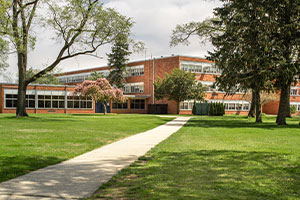 533 Peace Pipe Road
Lac du Flambeau, WI. 54538
715-588-1511
Family Resource Center is a substance abuse treatment facility for people living in the local community while struggling with a drug and alcohol use disorder and co-occurring mental health disorder. It provides services like activity therapy, behavior modification, dual diagnosis drug rehab, dialectical behavior therapy, cognitive/behavior therapy, anger management and more, that are in line with its philosophy of the treatments that have been proved to work.
Family Resource Center believes in individual treatment to make sure that their patients find success and sobriety. The alcohol and drug rehab facility has also specialized in other types of care like persons with eating disorders, clients referred from the court/judicial system, self-help groups, child care for clients children, persons who have experienced sexual abuse, active duty military - among many others. All these services are also offered by Family Resource Center in different settings like short term rehab facilities, outpatient substance abuse treatment services, inpatient drug rehab centers, inpatient detoxification programs, long term drug abuse treatment, as well as others.
In addition, it has aftercare planning designed to help you achieve permanent and lasting stability. These services have ensured that Family Resource Center has a special place within Lac Du Flambeau, Wisconsin and its surrounding area, especially because they promote both positive short and long term outcomes for the clients who enroll into this substance abuse treatment facility. Last but not least, Family Resource Center accepts private pay, private medical insurance, medicare, medicaid, payment assistance, access to recovery (atr) voucher, state welfare or child and family services funds and others.
Transitions Center
 22 North Pelham Street
Rhinelander, WI. 54501
715-365-6696
Transitions Center is 33.4 miles from Lac Du Flambeau, Wisconsin
Transitions Center is a drug and alcohol rehab facility for people residing in the local community while battling a substance abuse disorder and co-occurring mental health disorder. It offers services like activity therapy, behavior modification, dual diagnosis drug rehab, dialectical behavior therapy, cognitive/behavior therapy, anger management and more, that are in keeping with its philosophy of evidence based treatments that are proven effective.
Transitions Center believes in individualized care to make sure that their patients achieve the best possible results. The alcohol and drug treatment program also specializes in other types of care like persons with eating disorders, clients referred from the court/judicial system, self-help groups, child care for clients children, persons who have experienced sexual abuse, active duty military - among many others. Many of these services are also offered by Transitions Center in various settings like short term treatment facilities, outpatient day treatment, inpatient drug treatment, outpatient detoxification facilities, long term drug and alcohol rehab facilities, as well as others.
In addition, it has aftercare plans created to help you find permanent sobriety. These programs have ensured that Transitions Center has a special place within Lac Du Flambeau, WI. and its surrounding area, especially because they lead to both positive short and long term outcomes for the people who enroll into this alcohol and drug rehabilitation program. Last but not least, Transitions Center accepts private pay, private insurance, medicare, medicaid, payment assistance, access to recovery (atr) voucher, state welfare or child and family services funds and others.
Human Service Center of Forest Oneida and Vilas Counties
 705 East Timber Drive
Rhinelander, WI. 54501
715-369-2215
Human Service Center of is 33.5 miles from Lac Du Flambeau, Wisconsin
Human Service Center of is a substance abuse treatment center for people living in the local community and struggling with a substance use disorder and co-occurring mental health disorder. As such, it provides services like activity therapy, behavior modification, dual diagnosis drug rehab, dialectical behavior therapy, cognitive/behavior therapy, anger management and more, that are in line with its philosophy of evidence based treatments that are proven effective.
In the same way, Human Service Center of believes in individualized care to ensure that their clients achieve the best possible results. The drug and alcohol rehabilitation program has also specialized in other treatments like persons with eating disorders, clients referred from the court/judicial system, self-help groups, child care for clients children, persons who have experienced sexual abuse, active duty military - among many others. All these services are also offered by Human Service Center of in various settings like short term drug and alcohol rehab programs, outpatient substance abuse counseling, inpatient treatment facilities, outpatient detox facilities, long term drug and alcohol rehab centers, as well as others.
In addition, it has aftercare plans designed to help you achieve permanent stability. These services have made sure that Human Service Center of has a special place within the local community, especially because they promote positive long term outcomes for the clients who enroll into this substance abuse treatment center. Last but not least, Human Service Center of accepts cash or self-payment, private insurance, medicare, medicaid, payment assistance, access to recovery (atr) voucher, state welfare or child and family services funds and others.
Koinonia Residential Treatment Ctr
 1991 Winnebago Street
Rhinelander, WI. 54501
715-362-5745
Koinonia Residential Treatment Ctr is 33.9 miles from Lac Du Flambeau, WI
Koinonia Residential Treatment Ctr is a drug and alcohol rehab program for people living in Lac Du Flambeau and within the surrounding neighborhoods and struggling with a substance abuse disorder and co-occurring mental health disorder. As such, it provides services like activity therapy, behavior modification, dual diagnosis drug rehab, dialectical behavior therapy, cognitive/behavior therapy, anger management and more, that are in keeping with its philosophy of evidence based treatments that are proven effective.
Koinonia Residential Treatment Ctr believes in individual treatment to make sure that their clients find success and sobriety. The drug and alcohol rehab program has also specialized in other types of care like persons with eating disorders, clients referred from the court/judicial system, self-help groups, child care for clients children, persons who have experienced sexual abuse, active duty military - among many others. All these services are also offered by Koinonia Residential Treatment Ctr in a variety of settings like short term drug and alcohol rehab facilities, outpatient hospital programs, inpatient drug addiction treatment, inpatient detoxification programs, long term drug rehab facilities, as well as others.
Further, it has aftercare programs designed to help you find permanent sobriety. These programs have ensured that Koinonia Residential Treatment Ctr has a special place within the local community, especially because they lead to positive long term outcomes for the clients who enroll into this alcohol and drug rehabilitation program. Lastly, Koinonia Residential Treatment Ctr accepts private pay, private medical insurance, medicaid, medicare, payment assistance, access to recovery (atr) voucher, state welfare or child and family services funds and others.
Find Drug and Alcohol Treatment Centers in or around the following Wisconsin cities:
Top Cities For Recovery:
Commonly Asked Questions about Addiction and Treatment
How can I support my adult child in their recovery process?
Supporting an adult child in their recovery process can be a challenging yet crucial role. Here are some ways you can provide support:
Educate Yourself: Learn about addiction and the recovery process. Understanding the nature of your child's struggle can help you provide more effective support and reduce misperceptions and stigma.
Encourage Treatment: Encourage your child to seek professional help and stay engaged with their treatment plan. This could involve therapy, counseling, medication-assisted treatment, and/or participation in a recovery support group.
Be Patient and Understanding: Recovery is a long and challenging process that often involves setbacks. Be patient with your child's progress and provide emotional support and encouragement.
Promote Healthy Lifestyle: Encourage your child to maintain a healthy lifestyle. This could involve supporting them in adopting healthy eating habits, regular physical activity, and adequate sleep. Also, help them find healthy coping mechanisms and hobbies to replace substance use.
Support Their Independence: It's important for your adult child to feel capable and independent. While it's important to support them, avoid taking over their responsibilities. Instead, encourage them to take charge of their own recovery.
Set Boundaries: Clear, healthy boundaries are crucial in any relationship, but especially when dealing with addiction. Communicate your limits openly and honestly. For example, you might make it clear that you won't provide financial support for substance use.
Attend Family Therapy: Consider participating in family therapy or counseling. This can help you understand how to better support your child, improve communication, and address any issues within the family dynamic that may contribute to the substance use disorder.
Join a Support Group: Consider joining a support group for parents of adults with substance use disorders. These groups can provide understanding, advice, and resources.
Take Care of Yourself: Remember, you can't pour from an empty cup. Ensure you're taking care of your own physical and mental health too. Seek support when you need it, and take time for self-care.
Top reasons that drug and alcohol abusers in recovery relapse?
Relapse is a common part of the recovery journey for many individuals struggling with substance abuse. It's important to note that a relapse doesn't mean treatment has failed; rather, it indicates that the treatment plan needs to be revisited or adjusted. Here are some of the top reasons why individuals in recovery might relapse:
- Stress: High levels of stress can trigger a return to substance use as a coping mechanism.
- Lack of Support System: A strong support system is crucial in maintaining sobriety. Lack of emotional support and understanding from friends and family can contribute to relapse.
- Triggers and Temptations: Being in environments or around people associated with past substance use can act as triggers, leading to a desire to use again.
- Unresolved Psychological Issues: Mental health conditions, such as depression, anxiety, or trauma, can lead to a relapse if they're not effectively treated.
- Overconfidence: Some individuals may become overconfident and believe they can control their substance use without professional help, leading to a relapse.
- Poor Self-Care: Neglecting physical health, skipping meals, lack of sleep, and not taking care of oneself in general can contribute to a relapse.
- Incomplete Treatment: Leaving a treatment program before it is completed can leave individuals ill-prepared to resist the urge to use substances.
- Not Having a Plan: If an individual does not have a clear plan for dealing with cravings or triggers, they are more likely to relapse when confronted with these challenges.
- Challenging Emotions: Negative emotions like anger, sadness, loneliness, and frustration can sometimes lead to a desire to return to substance use as a way to escape.
- Celebrations or Positive Events: Surprisingly, positive events or celebrations can also trigger a relapse. The association of substance use with celebration or reward can lead to the temptation to use.
Can I successfully get treatment for my addiction to alcohol on an outpatient basis?
"Yes, it is possible to successfully receive treatment for alcohol addiction on an outpatient basis. Outpatient treatment programs can be an effective and flexible option for individuals who cannot commit to inpatient or residential programs due to work, family, or other responsibilities. However, the success of outpatient treatment largely depends on the individual's motivation, support system, and the severity of their addiction. While outpatient treatment can be successful for many individuals, it may not be suitable for everyone. Those with severe alcohol addiction, a history of relapse, or co-occurring mental health disorders may require more intensive inpatient or residential treatment to ensure their safety and promote lasting recovery.
Ultimately, the success of outpatient treatment for alcohol addiction depends on the individual's commitment, the support of their family and friends, and the quality of the treatment program. It is essential to choose a reputable and evidence-based outpatient program and to be fully engaged in the recovery process for the best possible outcome."
National Non Profit Helpline - 1-877-882-9275
Our National Non Profit Helpline is a 24/7, 365-day-a-year treatment referral and information service for individuals and families faced with mental and/or substance use disorders.
All calls are strictly confidential
Our service provides referrals to licensed treatment facilities, support groups, and community-based organizations. You don't have to struggle alone with addiction. Help is just a phone call away. Call 1-877-882-9275 now to get the help you need and deserve.
1-877-882-9275




