
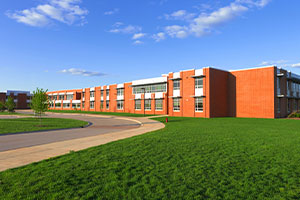
1225 Langlade Road
Antigo, WI. 54409
715-627-6694
Antigo, WI has several nearby treatment choices including: 3 medicaid treatment centers, 1 inpatient rehab center, 4 drug rehabs that take private insurance like Aetna, 1 drug and alcohol detox, 4 outpatient treatment programs.

For help finding an addiction treatment center, Call us!
All calls are 100% confidential and free
1-877-882-9275



Maehnowesekiyah Wellness Center is 22.4 miles from Antigo, Wisconsin
Maehnowesekiyah Wellness Center has been dedicating its treatment services and programs to helping people who are struggling with substances of abuse in Antigo, WI. and its surrounding area.
To this end, Maehnowesekiyah Wellness Center offers a wide collection of treatment and rehabilitation methods, including long term drug rehab facilities, inpatient drug and alcohol rehab facilities, intensive outpatient treatment, short term rehab centers, detoxification centers and more. Maehnowesekiyah Wellness Center also believes that it is important that it provides individual services to ensure that individuals get the results that they are looking for. This is why Maehnowesekiyah Wellness Center is specialized in couple/family therapy, anger management, contingency management/motivational incentive, activity therapy, relapse prevention, individual psychotherapy, among other programs.
Maehnowesekiyah Wellness Center also provides residential beds for client's children, substance abuse education, domestic violence, seniors or older adults, persons with eating disorders, housing services, and provides some of the best continued recovery programs - all of which are helpful to its clients. This drug and alcohol treatment facility also uses treatment modalities that can help you achieve full stability both in the long term and permanently.
Maehnowesekiyah Wellness Center also accepts the following types of payment - private health insurance, cash or self-payment, sliding fee scale, military insurance, access to recovery (atr) voucher, county or local government funds and more.

Wausau Comprehensive Treatment Center is 26.4 miles from Antigo, WI
Wausau Comprehensive Treatment Center has been dedicating its services and programs to helping individuals who are battling drug and alcohol addiction in Antigo and its surrounding area.
Wausau Comprehensive Treatment Center facilitates a wide collection of treatment and rehabilitation services, including long term rehab centers, inpatient addiction treatment programs, outpatient day treatment, short term drug rehab programs, inpatient detoxification facilities and more. Wausau Comprehensive Treatment Center also believes that it is important that it offers tailored services to ensure that its clients get the results that they require. This is why Wausau Comprehensive Treatment Center is specialized in couple/family therapy, anger management, contingency management/motivational incentive, activity therapy, relapse prevention, individual psychotherapy, among other programs.
Wausau Comprehensive Treatment Center also provides residential beds for client's children, substance abuse education, domestic violence, seniors or older adults, persons with eating disorders, housing services, and offers some of the best aftercare programs - all of which have been proved to be useful in helping its clients. This addiction treatment center also uses treatment methods that can help you achieve the best possible outcome.
Wausau Comprehensive Treatment Center also accepts the following forms of payment - private health insurance, private pay, sliding fee scale, military insurance, access to recovery (atr) voucher, county or local government funds and more.

Dix and Gillette Csl Servs LLP is 26.8 miles from Antigo, Wisconsin
Dix and Gillette Csl Servs LLP has been dedicating its treatment services and programs to helping individuals who are struggling with alcohol and drug addiction in Antigo, Wisconsin and its surrounding area.
Dix and Gillette Csl Servs LLP provides a wide collection of treatment and rehabilitation programs, including long term drug addiction treatment, inpatient drug rehab facilities, outpatient hospital programs, short term drug and alcohol rehab programs, detox facilities and more. Dix and Gillette Csl Servs LLP also believes that it is important that it provides tailored services to ensure that its clients get the results that they require. This is why Dix and Gillette Csl Servs LLP is specialized in couple/family therapy, anger management, contingency management/motivational incentive, activity therapy, relapse prevention, individual psychotherapy, among other programs.
Dix and Gillette Csl Servs LLP also provides residential beds for client's children, substance abuse education, domestic violence, seniors or older adults, persons with eating disorders, housing services, and offers some of the best aftercare programs - all of which have been proven to further the results its clients expect. This alcohol and drug rehab program also uses treatment modalities that can assist you in achieving long lasting sobriety.
Dix and Gillette Csl Servs LLP also accepts the following forms of payment - private medical insurance, cash or self-payment, sliding fee scale, military insurance, access to recovery (atr) voucher, county or local government funds and more.
"Protecting children in a substance-abusing family can be a significant challenge. Here are several steps that can be taken to ensure the safety and well-being of children in such circumstances:
Recognize the Problem: The first step in protecting children is acknowledging the issue. Denying the existence of substance abuse can lead to further harm.
Prioritize Child's Safety: If the substance abuse is causing dangerous situations, the child's safety must come first. This might mean making difficult decisions, such as temporary separation from the substance-abusing family member.
Seek Professional Help: Reach out to professionals who can guide you through this situation. Social workers, psychologists, and addiction specialists can provide valuable assistance and resources.
Encourage and Support Treatment: If the person with the addiction is willing, encourage them to seek professional help. Therapy, rehab, and support groups can all be beneficial.
Educate the Child: Age-appropriate education about drug and alcohol abuse can be helpful. This can help them understand it's not their fault and that the substance abuse is a disease.
Provide a Stable Environment: Create an environment that provides as much stability and routine as possible. This can help the child feel more secure amidst the chaos that substance abuse can bring.
Offer Emotional Support: Make sure the child knows they can express their feelings and fears to you. Validating their feelings and offering comfort is crucial.
Seek Support for the Child: Counseling or support groups specifically for children of substance abusers can provide them with tools to cope.
Report Neglect or Abuse: If the substance abuse leads to neglect or abuse, it must be reported to local child protective services. This can be a painful step, but it's necessary to ensure the child's safety.
Encourage Healthy Coping Mechanisms: Teach the child healthy ways to handle their emotions, such as through art, music, journaling, sports, or talking about their feelings.
Substance abuse recovery is often described as a lifelong process. This is due to the chronic nature of addiction, which is a brain disease characterized by compulsive drug seeking and use, despite harmful consequences. Like other chronic illnesses such as diabetes or heart disease, addiction often requires long-term or repeated care to manage symptoms and prevent relapse.
Here are key reasons why recovery is often a lifelong process:
Recognizing whether you have an addiction problem involves self-reflection and a honest assessment of your behaviors, thoughts, and emotions related to substance use or compulsive behaviors. Addiction is characterized by an inability to control or abstain from a substance or behavior despite negative consequences and a preoccupation with the addictive substance or behavior. Here are some signs and symptoms that may indicate an addiction problem:
If you recognize any of these signs and symptoms in your own life, it may be an indication that you have an addiction problem. It is important to seek help from a healthcare professional, addiction counselor, or support group to discuss your concerns and explore available treatment options. Remember, addiction is a complex and chronic condition, but recovery is possible with the appropriate support and intervention.
National Non Profit Helpline - 1-877-882-9275
Our National Non Profit Helpline is a 24/7, 365-day-a-year treatment referral and information service for individuals and families faced with mental and/or substance use disorders.
All calls are strictly confidential
Our service provides referrals to licensed treatment facilities, support groups, and community-based organizations. You don't have to struggle alone with addiction. Help is just a phone call away. Call 1-877-882-9275 now to get the help you need and deserve.



© Copyright 1998 - 2022 All Rights Reserved. Content is protected under copyright laws, do not use content without written permission.
