

405 Stageline Road
Hudson, WI. 54016
715-531-6755
Hudson, WI has several nearby treatment choices including: 4 low cost treatment centers, 2 inpatient drug rehabs, 4 drug rehabs that take PPO insurance like Blue Cross Blue Shield, 0 detox center, 2 outpatient rehabs.

For help finding an addiction treatment center, Call us!
All calls are 100% confidential and free
1-877-882-9275


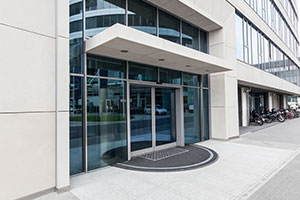


Reflections LLC is 7.5 miles from Hudson, WI
Like other alcohol and drug treatment programs, Reflections LLC is dedicated to long term recovery for alcohol and drug addicts living in Hudson, WI. and its surrounding areas. As such, this drug and alcohol treatment program has been providing services like cognitive/behavior therapy, substance abuse counseling approach, anger management, matrix model, rational emotive behavioral therapy, activity therapy and more, which is in line with its philosophy of the treatments that actually work to help addicts recover from their condition (s).
Further, Reflections LLC believes that it is essential that its patients receive individualized care to ensure that they get effective results. This is why it specializes in various programs such as housing services, self-help groups, persons who have experienced sexual abuse, transgender or (LGBT) clients, child care for clients children, social skills development and many other modes of treatment that you can find listed below. Each of the services that the organization offers are also available in a variety of settings - outpatient detoxification centers, long term treatment programs, short term drug rehab programs, outpatient substance abuse counseling, inpatient rehabs and more.
Not surprisingly, this rehab also has aftercare plans and other treatment methods that can help you achieve lasting stability both in the short and in the long term. Finally, Reflections LLC accepts private pay, private medical insurance, payment assistance, military insurance, other state funds, state education funds and others.

Kinnic Falls is 9.9 miles from Hudson, WI
Learn about addiction: Educate yourself on drug addiction, its causes, symptoms, and treatment options. This knowledge will help you better understand the person's struggles and provide informed support.
While a family history of substance abuse can increase your risk of developing a similar issue due to both genetic and environmental factors, it does not mean you are destined to become a substance abuser. Genetics can make up about 40-60% of the risk for addiction, but the remaining percentage is influenced by environmental and personal factors.
Environmental influences can include your upbringing, your parents' behaviors, your exposure to drugs or alcohol, your social circle, and your experiences with stress and trauma. Personal factors involve your individual personality traits, your mental health, and your coping mechanisms. All these can significantly contribute to whether or not you develop a substance use disorder.
Importantly, risk is not destiny. Just because you are at a higher risk doesn't mean you will inevitably develop a substance abuse problem. Prevention strategies can be highly effective. These might include:
Education: Understanding the risks and consequences of substance abuse can deter initiation of drug use.
Healthy Coping Mechanisms: Developing healthy ways to cope with stress, such as through exercise, meditation, hobbies, or therapy, can reduce the need to turn to substances for relief.
Strong Support Networks: Having supportive and understanding friends, family, or mentors can provide a safety net when facing potential pitfalls.
Mental Health Care: Ensuring good mental health through therapy or counseling can reduce the risk, as mental health disorders can increase the likelihood of substance abuse.
Delaying Substance Use: The later in life a person first uses drugs, the less likely they are to develop a problem.
Remember, even if substance abuse does become an issue, it is not a life sentence. Effective treatments are available that can help individuals overcome addiction and lead healthy, productive lives. If you're worried about your risk, it might be helpful to discuss your concerns with a healthcare provider, a counselor, or a trusted person in your life.
"The 12-step method for treating addiction is a structured, peer-based approach that originated with Alcoholics Anonymous (AA) in the 1930s. Since then, it has been adapted for various other substance use disorders and behavioral addictions, including Narcotics Anonymous (NA), Gamblers Anonymous (GA), and Overeaters Anonymous (OA), among others. The method is based on a set of guiding principles, known as the 12 steps, that outline a path to recovery, personal growth, and spiritual development.
The 12 steps of the method are as follows:
The 12-step method emphasizes the importance of peer support, mutual aid, and the sharing of personal experiences as a means of overcoming addiction. Participants typically attend regular meetings, where they share their stories, listen to others, and work through the steps at their own pace. Many 12-step programs also encourage members to find a sponsor, an experienced member who has worked through the steps and can provide guidance, support, and accountability during the recovery process."
National Non Profit Helpline - 1-877-882-9275
Our National Non Profit Helpline is a 24/7, 365-day-a-year treatment referral and information service for individuals and families faced with mental and/or substance use disorders.
All calls are strictly confidential
Our service provides referrals to licensed treatment facilities, support groups, and community-based organizations. You don't have to struggle alone with addiction. Help is just a phone call away. Call 1-877-882-9275 now to get the help you need and deserve.



© Copyright 1998 - 2022 All Rights Reserved. Content is protected under copyright laws, do not use content without written permission.

