Community Mental Health Center Eastman Annex

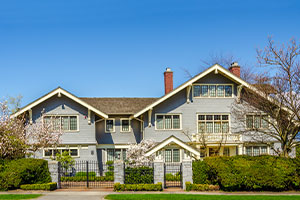
621 Plaza Avenue
Eastman, GA. 31023
478-448-1040
Community Mental Health Center is 22.9 miles from Scotland, GA
Scotland, GA has several nearby treatment choices including: 2 medicaid treatment centers, 0 inpatient rehab center, 2 drug rehabs that take PPO insurance like BCBS, 2 drug detox, 4 outpatient rehabs.

For help finding an addiction treatment center, Call us!
All calls are 100% confidential and free
1-877-882-9275


Community Mental Health Center is 22.9 miles from Scotland, GA
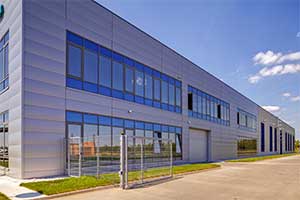
Southeast Georgia Treatment Center is 23.1 miles from Scotland, GA
Southeast Georgia Treatment Center is dedicated to helping anyone with an alcohol or drug use disorder in Scotland, GA. and its surrounding areas find complete recovery. It offers several services - such as long term drug and alcohol rehab programs, inpatient treatment facilities, outpatient individual counseling, outpatient detox programs, short term treatment centers and others - in keeping with its philosophy of the recovery care and rehabilitation modalities that work in recovery. This drug and alcohol rehab facility also believes that people need individual treatment and care to be able to stop abusing drugs and alcohol.
As such, Southeast Georgia Treatment Center specializes in activity therapy, 12-step facilitation approach, matrix model, relapse prevention, substance abuse counseling approach, rational emotive behavioral therapy and more. Similarly, it accepts patients who are suicide prevention services, clients with HIV/AIDS, housing services, persons with eating disorders, active duty military, clients referred from the court/judicial system, and others. This addiction treatment center uses treatment methods that can assist patients to achieve sobriety and abstinence from the substances of abuse that they have used in the past.
In terms of payment, clients in Southeast Georgia Treatment Center can pay for services using private pay, private insurance, military insurance, payment assistance, other state funds, state education funds and others.

Pineland BHDD is 27.3 miles from Scotland, GA
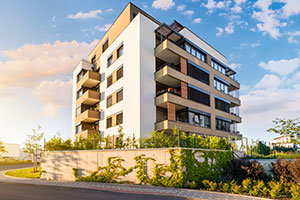
Extended Wellness is 28.2 miles from Scotland, GA
Extended Wellness is committed to helping any person with an alcohol or drug use problem in the Scotland area find full recovery. It offers several programs - such as long term treatment programs, inpatient treatment centers, outpatient individual counseling, outpatient detox programs, short term rehab centers and others - in line with its philosophy of the addiction care and rehab methods that are effective in recovery. This substance abuse treatment center also believes that clients need individual treatment and care to be able to stop abusing drugs and alcohol.
As such, Extended Wellness has specialized in activity therapy, 12-step facilitation approach, matrix model, relapse prevention, substance abuse counseling approach, rational emotive behavioral therapy and more. At the same time, it accepts patients who are suicide prevention services, clients with HIV/AIDS, housing services, persons with eating disorders, active duty military, clients referred from the court/judicial system, and others. This alcohol and drug treatment facility uses care methods that can assist clients to maintain sobriety from the substances abused in the past.
In terms of payment, clients in Extended Wellness can pay for services using cash or self-payment, private insurance, military insurance, payment assistance, other state funds, state education funds and others.
National Non Profit Helpline - 1-877-882-9275
Our National Non Profit Helpline is a 24/7, 365-day-a-year treatment referral and information service for individuals and families faced with mental and/or substance use disorders.
All calls are strictly confidential
Our service provides referrals to licensed treatment facilities, support groups, and community-based organizations. You don't have to struggle alone with addiction. Help is just a phone call away. Call 1-877-882-9275 now to get the help you need and deserve.



© Copyright 1998 - 2022 All Rights Reserved. Content is protected under copyright laws, do not use content without written permission.
