Alcohol and Drug Rehab Programs in Evans, Georgia
Evans, GA has nearby choices for addiction treatment including: 1 medicare treatment center, 0 inpatient treatment center, 3 drug rehabs that take private insurance like Aetna, 0 drug detox, 4 outpatient rehabs.
Get Help - Find a Rehab Center Today
Popular Searches for Drug and Alcohol Rehab in Evans, Georgia:
Skip To Rehab Listing
Even so, for those struggling with drug and alcohol addiction problems, Evans can also offer resources in the form of 25 drug and alcohol rehab facilities designed to help patients in their treatment.
Drug and Alcohol Treatment Approaches and Settings
Evans area residents who have a problem with drug and alcohol abuse have multiple recovery settings available to them, including the following: short term treatment facilities, inpatient detoxification centers, long term drug rehab centers, inpatient addiction treatment facilities, outpatient hospital programs.
These rehabilitation programs make alcohol and drug rehab easy to obtain, with convenient locations and numerous varying rehabilitation modalities from which to choose, including these listed here: matrix model, vocational rehabilitation services, brief intervention approach, group therapy, rational emotive behavioral therapy, couple/family therapy.
Special Programs for Substance Abuse Treatment
Addiction impacts every individual differently. In order to address these differences and deliver a more tailored treatment, alcohol and drug rehab centers in Evans provide several special programs for clients such as: treatment for spanish-speaking clients, persons with post-traumatic stress disorder, child care for clients children, programs for the hearing impaired, co-occurring mental and substance abuse disorders, clients with HIV/AIDS.
Clients who believe they may benefit from these special programs can explore them with the rehab facility in order to receive help that is designed to increase the likelihood of lasting recovery.
Rehab Payment Options
Residents of Evans come from diverse economic circumstances, making it vital for rehabs to provide several payment options that put rehab within financial reach. Clients can expect to get funding alternatives at close by substance abuse treatment facilities such as the following: cash or self-payment, private insurance, payment assistance, military insurance, state welfare or child and family services funds, county or local government funds.
Regardless of a client's financial status, payment should not be an obstacle to rehab. Drug and alcohol treatment programs guide individuals through their financing alternatives and help them pinpoint a way to afford their treatment.
The goal of multiple treatment programs, methods, programs, and financing alternatives is that treatment for alcohol and drug addiction is accessible for as many individuals who really need it.
Dr. Gina M Jansheski, M.D.

Dr. Po-Chang Hsu, M.D., M.S.

Renee Warmbrodt, RN, MSN, CPNP-PC

Alcohol and Drug Rehab Facilities Serving the Evans, Georgia Area:
 4158 Washington Road
Evans, GA. 30809
706-854-9225
Treatment Center of Augusta is dedicated to helping any person with a drug or alcohol abuse issue in the Evans, GA. area find full recovery. It provides several services - such as short term treatment facilities, detox programs, long term rehab centers, inpatient addiction treatment facilities, outpatient substance abuse counseling and others - in keeping with its belief of the addiction care and rehab modalities that work in recovery. This addiction treatment facility also believes that clients need individual treatment and care to be able to stop abusing drugs and alcohol.
As such, Treatment Center of Augusta has specialized in matrix model, vocational rehabilitation services, brief intervention approach, group therapy, rational emotive behavioral therapy, couple/family therapy and more. Similarly, it accepts clients who are treatment for spanish-speaking clients, persons with post-traumatic stress disorder, child care for clients children, programs for the hearing impaired, co-occurring mental and substance abuse disorders, clients with HIV/AIDS, and others. This addiction treatment facility uses treatment modalities that can assist clients to maintain lasting and permanent sobriety from the substances of abuse that they have used in the past.
In terms of payment, clients in Treatment Center of Augusta can pay for services using cash or self-payment, private insurance, payment assistance, military insurance, state welfare or child and family services funds, county or local government funds and others.
Jones Behavioral Health Inc
 114 Pleasant Home Road
Augusta, GA. 30907
706-364-3209
Jones Behavioral Health Inc is 6.4 miles from Evans, GA
Jones Behavioral Health, Inc. firmly attests to the belief that the Patient's Healing Process, Attentiveness and Satisfaction with their Individual and/or Group Therapy Sessions are all directly impacted by their Surroundings. This is why our Clinical and Administrative Staff ensure that every Patient is provided with a warm, friendly and familiar atmosphere each time they visit our facility. We are located in the heart of the Central Savannah River Area and our office is located on Pleasant Home Road, near the Pleasant Home Road and Washington Road intersection. We have designed the facility to accomodate our patients with parking in the back of the facility, away from the main road. Jones Behavioral Health, Inc. strives to maintain an open, welcoming and safe atmosphere. This is an important aspect of how the facility operates, as Patient Care and Attention is at the top of our lists. Each Therapeutic Office and Room is private and positioned away from other patients or visitors that may currently be in the building. The privacy is a must for each and every one of our patients as it is extremely important in aiding in their treatment, healing process, concentration and attentiveness to their Therapist during their sessions.
Transitional Family Services Inc
 3643 Walton Way Extension
Augusta, GA. 30909
706-364-1404
Transitional Family Services Inc is 7 miles from Evans, GA
Transitional Family Services Inc is committed to helping anyone with a drug or alcohol abuse disorder in the Evans, GA. area find complete recovery. It offers several programs - such as short term drug rehab centers, inpatient detoxification facilities, long term drug and alcohol rehab programs, inpatient drug rehab centers, outpatient substance abuse counseling and others - in line with its philosophy of the addiction care and rehabilitation methods that are effective in recovery. This drug and alcohol rehab center also believes that clients require individual treatment to be able to stop abusing drugs and alcohol.
As such, Transitional Family Services Inc has specialized in matrix model, vocational rehabilitation services, brief intervention approach, group therapy, rational emotive behavioral therapy, couple/family therapy and more. At the same time, it accepts clients who are treatment for spanish-speaking clients, persons with post-traumatic stress disorder, child care for clients children, programs for the hearing impaired, co-occurring mental and substance abuse disorders, clients with HIV/AIDS, and others. This alcohol and drug rehab uses treatment modalities that can help patients to achieve abstinence from the substances abused in the past.
In terms of payment, clients in Transitional Family Services Inc can pay for services using cash or self-payment, private insurance, payment assistance, military insurance, state welfare or child and family services funds, county or local government funds and others.
Steppingstones to Recovery LLC
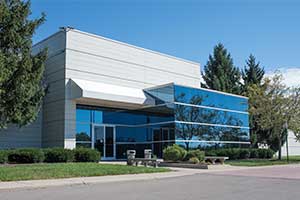 2610 Commons Boulevard
Augusta, GA. 30909
706-733-1935
Steppingstones to Recovery LLC is 8.1 miles from Evans, GA
Steppingstones to Recovery LLC is committed to assisting any person with an alcohol or drug use problem in Evans, Georgia and within the surrounding neighborhoods find full recovery. It offers several services - such as short term treatment facilities, detoxification programs, long term addiction treatment facilities, inpatient drug rehab facilities, outpatient individual counseling and others - in line with its belief of the recovery care and rehab modalities that work in recovery. This alcohol and drug rehab program also believes that clients need individual treatment to be able to stop abusing drugs and alcohol.
As such, Steppingstones to Recovery LLC specializes in matrix model, vocational rehabilitation services, brief intervention approach, group therapy, rational emotive behavioral therapy, couple/family therapy and more. At the same time, it accepts clients who are treatment for spanish-speaking clients, persons with post-traumatic stress disorder, child care for clients children, programs for the hearing impaired, co-occurring mental and substance abuse disorders, clients with HIV/AIDS, and others. This drug and alcohol treatment program uses treatment methods that can help clients to maintain lasting and permanent sobriety and abstinence from the substances of abuse that they have used in the past.
In terms of payment, clients in Steppingstones to Recovery LLC can pay for services using private pay, private health insurance, payment assistance, military insurance, state welfare or child and family services funds, county or local government funds and others.
Find Drug and Alcohol Treatment Centers in or around the following Georgia cities:
Top Cities For Recovery:
Commonly Asked Questions about Addiction and Treatment
How does drug addiction affect the family unit?
Drug addiction can have far-reaching consequences not only for the individual struggling with substance use, but also for their family unit. Family members may experience various emotional, social, and financial challenges as a result of a loved one's addiction. Some of the ways drug addiction can impact the family unit include:
- Emotional strain: Family members may experience a range of emotions, such as fear, anger, frustration, guilt, and sadness, as they grapple with their loved one's addiction. These emotions can be overwhelming and may lead to mental health issues, such as anxiety or depression, among family members.
- Family dynamics: Drug addiction can alter family dynamics, leading to increased conflict, mistrust, and communication breakdowns. This may result in a dysfunctional family environment and strained relationships among family members.
- Role changes: Family members may be forced to take on new roles to compensate for the challenges brought on by the addiction. For example, a spouse or older child may assume additional responsibilities for managing the household, providing financial support, or caring for younger siblings.
- Neglect of responsibilities: The individual struggling with addiction may neglect their responsibilities as a parent, spouse, or sibling, leaving other family members to bear the burden of these responsibilities.
- Financial strain: The costs associated with obtaining drugs and potential job loss due to addiction can place a significant financial burden on the family. This may result in debt, inability to meet basic needs, or even homelessness.
- Legal issues: Family members may face legal problems as a result of their loved one's drug-related activities, such as theft or drug possession. Legal issues can create additional financial strain and emotional stress for the family.
- Safety concerns: Drug addiction can expose family members to unsafe situations, such as violence, drug-related criminal activities, or the presence of dangerous substances within the home.
- Impact on children: Children in families affected by drug addiction may experience emotional, behavioral, and developmental challenges. They may be at greater risk for academic difficulties, mental health disorders, and substance abuse themselves later in life.
- Social isolation: Family members may become socially isolated due to stigma, shame, or fear associated with their loved one's addiction. This can lead to a loss of support networks and further emotional strain.
If my mom and dad were substance abusers am I destined for the same?
While a family history of substance abuse can increase your risk of developing a similar issue due to both genetic and environmental factors, it does not mean you are destined to become a substance abuser. Genetics can make up about 40-60% of the risk for addiction, but the remaining percentage is influenced by environmental and personal factors.
Environmental influences can include your upbringing, your parents' behaviors, your exposure to drugs or alcohol, your social circle, and your experiences with stress and trauma. Personal factors involve your individual personality traits, your mental health, and your coping mechanisms. All these can significantly contribute to whether or not you develop a substance use disorder.
Importantly, risk is not destiny. Just because you are at a higher risk doesn't mean you will inevitably develop a substance abuse problem. Prevention strategies can be highly effective. These might include:
Education: Understanding the risks and consequences of substance abuse can deter initiation of drug use.
Healthy Coping Mechanisms: Developing healthy ways to cope with stress, such as through exercise, meditation, hobbies, or therapy, can reduce the need to turn to substances for relief.
Strong Support Networks: Having supportive and understanding friends, family, or mentors can provide a safety net when facing potential pitfalls.
Mental Health Care: Ensuring good mental health through therapy or counseling can reduce the risk, as mental health disorders can increase the likelihood of substance abuse.
Delaying Substance Use: The later in life a person first uses drugs, the less likely they are to develop a problem.
Remember, even if substance abuse does become an issue, it is not a life sentence. Effective treatments are available that can help individuals overcome addiction and lead healthy, productive lives. If you're worried about your risk, it might be helpful to discuss your concerns with a healthcare provider, a counselor, or a trusted person in your life.
What does drug addiction do to a person?
Drug addiction, also known as Substance Use Disorder (SUD), is a complex condition that affects an individual's brain and behavior, leading to an inability to control the use of drugs despite harmful consequences. Drug addiction can impact a person in various ways, including physical, psychological, social, and emotional aspects of their life. Some of the effects of drug addiction include:
- Physical health problems: Chronic drug use can lead to numerous health issues, ranging from mild to severe. These may include weakened immune system, cardiovascular problems, liver damage, lung diseases, kidney damage, and increased risk of infectious diseases, such as HIV and Hepatitis C.
- Mental health issues: Drug addiction often co-occurs with mental health disorders, such as depression, anxiety, and bipolar disorder. Substance use can exacerbate existing mental health conditions or lead to the development of new ones.
- Cognitive impairment: Prolonged drug use can impair cognitive functions, such as memory, attention, decision-making, and problem-solving skills. This can impact an individual's ability to function effectively in daily life and may result in poor academic or work performance.
- Emotional instability: Drug addiction can lead to emotional instability, mood swings, and increased irritability, which can strain personal relationships and affect overall well-being.
- Social isolation: Individuals with drug addiction may withdraw from social activities, hobbies, or relationships, leading to isolation and loneliness. They may also prioritize drug-seeking behaviors over other aspects of their life, further damaging social connections.
- Financial difficulties: The cost of obtaining drugs, combined with reduced work performance or job loss, can lead to financial strain and potentially result in homelessness or dependence on others for support.
- Legal problems: Drug addiction may increase the likelihood of engaging in illegal activities, such as theft or drug trafficking, to support drug use. This can lead to arrest, incarceration, or other legal consequences.
- Increased risk of overdose: Chronic drug use increases the risk of accidental overdose, which can result in severe health complications or death.
- Family and relationship issues: Drug addiction can strain family relationships and lead to instability within the household, as well as negatively impact the emotional and physical well-being of children in the family.
National Non Profit Helpline - 1-877-882-9275
Our National Non Profit Helpline is a 24/7, 365-day-a-year treatment referral and information service for individuals and families faced with mental and/or substance use disorders.
All calls are strictly confidential
Our service provides referrals to licensed treatment facilities, support groups, and community-based organizations. You don't have to struggle alone with addiction. Help is just a phone call away. Call 1-877-882-9275 now to get the help you need and deserve.
1-877-882-9275




