


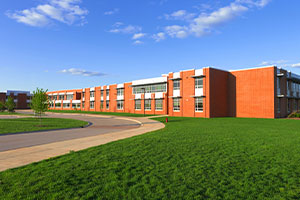
1243 1st Avenue
Macon, GA. 31204
478-803-8723
Macon, GA has a number of treatment choices: 3 medicare treatment centers, 2 inpatient treatment centers, 4 drug rehabs that take PPO insurance like Aetna, 2 detox centers, 7 outpatient treatment programs.

For help finding an addiction treatment center, Call us!
All calls are 100% confidential and free
1-877-882-9275You can now filter our treatment results to show you tailored rehab programs that fit your exact needs. Just choose the type of treatment you are looking for, a payment type such as private insurance or low cost, and any specialized treatment approach you are interested in. Click submit and we will provide a list of alcohol and drug rehab centers that match your criteria.




HealthQwest has been dedicating its treatment services and programs to helping people who are struggling with substances of abuse in Macon, GA. and within the surrounding area.
HealthQwest offers a wide variety of treatment and rehabilitation methods, including outpatient counseling, outpatient detoxification facilities, short term drug and alcohol rehab programs, long term drug rehab centers, inpatient drug abuse treatment and more. HealthQwest also believes that it is vital that it offers tailored services to ensure that individuals get the results that they require. This is why HealthQwest is specialized in relapse prevention, behavior modification, individual psychotherapy, activity therapy, vocational rehabilitation services, substance abuse counseling approach, among other programs.
HealthQwest also provides housing services, veterans, social skills development, active duty military, legal advocacy, programs for the hearing impaired, and provides some of the best continued recovery programs - all of which are helpful to its clients. This substance abuse treatment facility also uses treatment methods that can assist you in achieving long lasting sobriety.
HealthQwest also accepts the following forms of payment - private health insurance, private pay, payment assistance, sliding fee scale, state education funds, access to recovery (atr) voucher and more.
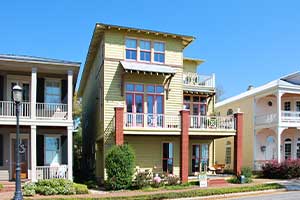

Piedmont Counseling Services Inc has been dedicating its treatment services and programs to helping individuals who are struggling with alcohol and drug abuse in Macon, Georgia and within the surrounding area.
To this end, Piedmont Counseling Services Inc provides a wide collection of treatment and rehabilitation services, including outpatient substance abuse counseling, detoxification centers, short term treatment facilities, long term drug rehab centers, inpatient rehab facilities and more. Piedmont Counseling Services Inc also believes that it is necessary that it offers tailored services to ensure that its clients get the results that they need. This is why Piedmont Counseling Services Inc is specialized in relapse prevention, behavior modification, individual psychotherapy, activity therapy, vocational rehabilitation services, substance abuse counseling approach, among other programs.
Piedmont Counseling Services Inc also provides housing services, veterans, social skills development, active duty military, legal advocacy, programs for the hearing impaired, and offers some of the best aftercare programs - all of which have been proved to be useful in helping its clients. This drug and alcohol rehab facility also uses treatment modalities that can help you achieve the best possible outcome.
Piedmont Counseling Services Inc also accepts the following forms of payment - private medical insurance, cash or self-payment, payment assistance, sliding fee scale, state education funds, access to recovery (atr) voucher and more.
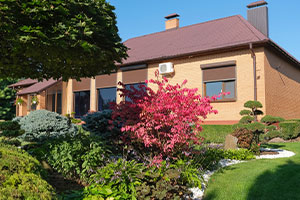
Life Spring Residental has been dedicating its treatment programs and services to helping people who are battling drug and alcohol addiction in Macon and within the surrounding area.
Life Spring Residental facilitates a wide range of treatment and rehabilitation methods, including outpatient individual counseling, detoxification facilities, short term drug abuse treatment, long term rehabs, inpatient drug rehab centers and more. Life Spring Residental also believes that it is important that it offers unique services to ensure that individuals get the results that they need. This is why Life Spring Residental is specialized in relapse prevention, behavior modification, individual psychotherapy, activity therapy, vocational rehabilitation services, substance abuse counseling approach, among other programs.
Life Spring Residental also provides housing services, veterans, social skills development, active duty military, legal advocacy, programs for the hearing impaired, and provides some of the best aftercare programs - all of which have been proved to be useful in helping its clients. This addiction treatment program also uses treatment modalities that can help you achieve the best possible outcome.
Life Spring Residental also accepts the following forms of payment - private health insurance, private pay, payment assistance, sliding fee scale, state education funds, access to recovery (atr) voucher and more.
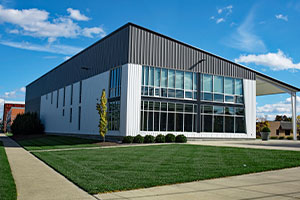
Community Development System Inc has been dedicating its treatment services and programs to helping people who are struggling with substances of abuse in Macon, GA. and its surrounding area.
Community Development System Inc offers a wide range of treatment and rehabilitation services, including outpatient day treatment, inpatient detoxification centers, short term rehabs, long term addiction treatment programs, inpatient treatment programs and more. Community Development System Inc also believes that it is important that it provides individual services to ensure that individuals get the results that they want. This is why Community Development System Inc is specialized in relapse prevention, behavior modification, individual psychotherapy, activity therapy, vocational rehabilitation services, substance abuse counseling approach, among other programs.
Community Development System Inc also provides housing services, veterans, social skills development, active duty military, legal advocacy, programs for the hearing impaired, and offers some of the best aftercare programs - all of which have been proven to further the results its clients expect. This addiction treatment program also uses treatment methods that can help you achieve the best possible outcome.
Community Development System Inc also accepts the following types of payment - private insurance, cash or self-payment, payment assistance, sliding fee scale, state education funds, access to recovery (atr) voucher and more.

Georgia Treatment Services LLC has been dedicating its treatment programs and services to helping individuals who are struggling with substance abuse in Macon, Georgia and its surrounding area.
Georgia Treatment Services LLC offers a wide variety of treatment and rehabilitation programs, including outpatient substance abuse treatment services, detox programs, short term rehab facilities, long term rehab facilities, inpatient addiction treatment facilities and more. Georgia Treatment Services LLC also believes that it is vital that it provides specific services to ensure that its clients get the results that they require. This is why Georgia Treatment Services LLC is specialized in relapse prevention, behavior modification, individual psychotherapy, activity therapy, vocational rehabilitation services, substance abuse counseling approach, among other programs.
Georgia Treatment Services LLC also provides housing services, veterans, social skills development, active duty military, legal advocacy, programs for the hearing impaired, and offers some of the best continued recovery programs - all of which have been proved to be useful in helping its clients. This alcohol and drug rehab center also uses treatment modalities that can help you achieve full stability both in the long term and permanently.
Georgia Treatment Services LLC also accepts the following types of payment - private insurance, cash or self-payment, payment assistance, sliding fee scale, state education funds, access to recovery (atr) voucher and more.
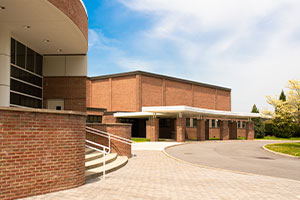
River Edge Behavioral Health Center has been dedicating its treatment programs and services to helping people who are struggling with alcohol and drug abuse in Macon and within the surrounding area.
To this end, River Edge Behavioral Health Center provides a wide collection of treatment and rehabilitation services, including outpatient individual counseling, outpatient detoxification facilities, short term drug rehab centers, long term drug and alcohol rehab facilities, inpatient drug and alcohol rehab programs and more. River Edge Behavioral Health Center also believes that it is vital that it presents specific services to ensure that its clients get the results that they require. This is why River Edge Behavioral Health Center is specialized in relapse prevention, behavior modification, individual psychotherapy, activity therapy, vocational rehabilitation services, substance abuse counseling approach, among other programs.
River Edge Behavioral Health Center also provides housing services, veterans, social skills development, active duty military, legal advocacy, programs for the hearing impaired, and offers some of the best aftercare programs - all of which have been proved to be useful in helping its clients. This drug and alcohol rehab facility also uses treatment methods that can help you achieve the best possible outcome.
River Edge Behavioral Health Center also accepts the following forms of payment - private medical insurance, cash or self-payment, payment assistance, sliding fee scale, state education funds, access to recovery (atr) voucher and more.
Yes, there is free help available for individuals struggling with drug and alcohol addiction. Numerous resources and support systems exist to provide assistance at no cost. Some of these options include:
National Helplines: Many countries have dedicated helplines for substance abuse and mental health issues. In the United States, the SAMHSA National Helpline (1-800-662-HELP) offers free, confidential, 24/7 assistance in English and Spanish.
Peer Support Groups: Local support groups, such as Alcoholics Anonymous (AA) or Narcotics Anonymous (NA), provide free peer-to-peer support, guidance, and resources for individuals facing addiction. Meetings can be found in various locations and are open to all.
Non-profit and Faith-based Organizations: Some non-profit and faith-based organizations offer free addiction support services, including counseling, group therapy, and recovery programs. Local community centers, churches, mosques, and synagogues may have information about available resources in your area.
Online Support Communities: Several websites and online forums offer free support and resources for individuals in recovery from addiction. These virtual communities can provide valuable information, advice, and encouragement from peers facing similar challenges.
State-Funded Treatment Programs: In many regions, state-funded addiction treatment programs provide free or low-cost services to eligible residents. Contact your local health department or substance abuse agency for information on available programs in your area.
Public Libraries: Local libraries often have free resources related to addiction, recovery, and mental health, including books, DVDs, and pamphlets. Librarians can also help you locate additional resources and services within your community.
"Yes, it is possible to successfully receive treatment for alcohol addiction on an outpatient basis. Outpatient treatment programs can be an effective and flexible option for individuals who cannot commit to inpatient or residential programs due to work, family, or other responsibilities. However, the success of outpatient treatment largely depends on the individual's motivation, support system, and the severity of their addiction. While outpatient treatment can be successful for many individuals, it may not be suitable for everyone. Those with severe alcohol addiction, a history of relapse, or co-occurring mental health disorders may require more intensive inpatient or residential treatment to ensure their safety and promote lasting recovery.
Ultimately, the success of outpatient treatment for alcohol addiction depends on the individual's commitment, the support of their family and friends, and the quality of the treatment program. It is essential to choose a reputable and evidence-based outpatient program and to be fully engaged in the recovery process for the best possible outcome."
Recognizing whether you have an addiction problem involves self-reflection and a honest assessment of your behaviors, thoughts, and emotions related to substance use or compulsive behaviors. Addiction is characterized by an inability to control or abstain from a substance or behavior despite negative consequences and a preoccupation with the addictive substance or behavior. Here are some signs and symptoms that may indicate an addiction problem:
If you recognize any of these signs and symptoms in your own life, it may be an indication that you have an addiction problem. It is important to seek help from a healthcare professional, addiction counselor, or support group to discuss your concerns and explore available treatment options. Remember, addiction is a complex and chronic condition, but recovery is possible with the appropriate support and intervention.
National Non Profit Helpline - 1-877-882-9275
Our National Non Profit Helpline is a 24/7, 365-day-a-year treatment referral and information service for individuals and families faced with mental and/or substance use disorders.
All calls are strictly confidential
Our service provides referrals to licensed treatment facilities, support groups, and community-based organizations. You don't have to struggle alone with addiction. Help is just a phone call away. Call 1-877-882-9275 now to get the help you need and deserve.



© Copyright 1998 - 2022 All Rights Reserved. Content is protected under copyright laws, do not use content without written permission.
