Valdosta, GA Alcohol and Drug Rehabilitation Centers
Valdosta, GA has a few different treatment options: 8 low cost treatment centers, 1 inpatient treatment center, 4 drug rehabs that take PPO insurance like Cigna, 0 drug and alcohol detox, 5 outpatient rehabs.
Get Help - Find a Rehab Center Today
Popular Searches for Drug and Alcohol Rehab in Valdosta, Georgia:
Skip To Rehab Listing
Drug and Alcohol Recovery Service Settings and Methods
Many addictive drugs are obtainable within the Valdosta area, including: marijuana, heroin, meth, and alcohol.
The motives that individuals begin abusing addictive drugs differs. Often, what those who get addicted to drugs and alcohol have in common is an inability to beat their reliance upon these substances without the help of a professional.
For these individuals, Valdosta offers several various rehabilitation centers so individuals can find one in a convenient setting such as: short term rehabs, inpatient addiction treatment facilities, inpatient detox programs, long term drug and alcohol rehab facilities, outpatient substance abuse treatment services.
These treatment programs use a range of methods, ranging from traditional approaches to recently developed methods, to offer clients with an effective evidence-based path to lasting recovery. These approaches can include: contingency management/motivational incentive, group therapy, trauma-related counseling, dual diagnosis drug rehab, motivational interviewing, cognitive/behavior therapy.
Special Programs for Addiction Recovery
As addiction has an effect on every person differently, nearby treatment centers offer unique resources including co-occurring mental and substance abuse disorders, domestic violence, substance abuse education, self-help groups, persons with serious mental illness, veterans to help meet a client's treatment to their unique needs.
Individuals having to face alcohol and drug abuse can receive instruction in selecting the appropriate treatment for their needs by reaching out to any of the area's addiction centers.
Drug Rehab Center Payment Options
Funding should not be an obstacle to recovery for people struggling with alcohol and drug addiction. That is the reason local rehabilitation programs offer several payment options, like private medical insurance, cash or self-payment, sliding fee scale, medicare, medicaid, state welfare or child and family services funds, access to recovery (atr) voucher, to accommodate patients' particular economic circumstances.
Individuals who are looking for alcohol and drug rehabilitation can find a facility, program, approach, and payment method within the Valdosta area that will guide them to overcome their drug and alcohol addiction and return to the life they want to live.
Dr. Gina M Jansheski, M.D.

Dr. Po-Chang Hsu, M.D., M.S.

Renee Warmbrodt, RN, MSN, CPNP-PC

Alcohol and Drug Rehabs Serving the Valdosta, Georgia Area:
 3120 North Oak Street Extension
Valdosta, GA. 31602
229-671-6100
Behavioral Health Servs of South GA has been providing addiction treatment to people who reside in and around Valdosta and who are struggling with substance abuse issues. As such, Behavioral Health Servs of South GA provides a wide range of services including contingency management/motivational incentive, group therapy, trauma-related counseling, dual diagnosis drug rehab, motivational interviewing, cognitive/behavior therapy and others applying its unique philosophy of evidence based approaches to addiction treatment.
This rehab also thinks that results are best achieved by providing individual services to each client. To this end, it has been specializing in a wide variety of personalized treatments like co-occurring mental and substance abuse disorders, domestic violence, substance abuse education, self-help groups, persons with serious mental illness, veterans and more. In the same way, this drug and alcohol rehabilitation program provides these services in the following settings - short term addiction treatment centers, inpatient drug and alcohol rehab centers, outpatient detoxification centers, long term drug and alcohol rehabs, outpatient day treatment and more.
Behavioral Health Servs of South GA also ensures lasting sobriety and stability by promoting a robust aftercare program. Lastly, Behavioral Health Servs of South GA accepts these payment forms - including private medical insurance, cash or self-payment, sliding fee scale, medicaid, medicare, state welfare or child and family services funds, access to recovery (atr) voucher and others.
 2301 University Drive
Valdosta, GA. 31602
229-242-4673
Treatment Centers Of America - Providing effective treatment for those suffering from an addiction to opiates or narcotics and other drug dependencies. provide comprehensive outpatient rehabilitation services for persons who are dependent on narcotics and who live in our seven services areas. The treatment team you'll find at every Treatment Centers of America facility include a Medical Director, Clinical Director, trained Counselors that work with each patient to develop an individualized treatment plan based on the strengths, abilities, needs, and preferences of the patient. Treatment Centers of America provides professionally supervised opiate addiction maintenance with the use of methadone. Remember, methadone is not the treatment; methadone is used only as a tool in the patient's recovery process. The ultimate goal of treatment at Treatment Center of America is for the patient to live a happy and drug free lifestyle through appropriate substance abuse counseling. Providing clients in Georgia and Florida with caring and professionally managed services.
 2405 Bemiss Road
Valdosta, GA. 31602
229-333-2351
PeaceWay Counseling and Medical Services or PCMS is committed to supplying a variety of mental health services with the inclusion of parenting support, family therapy, individual therapy, group therapy, domestic violence, anger management, and drug abuse counseling. They are certified by the Department of Human Resources to supply services to Medicaid clients. They stand as an approved community mental health facility: which can supply community support individual (CSI), group therapy as well as individual therapy.
 2217 Pineview Drive
Valdosta, GA. 31602
229-671-6700
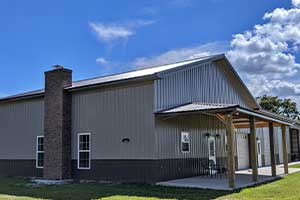
Greenleaf Behavioral Health Hospital is the leader in mental health & substance abuse treatment, offering rehab programs for adolescents, teens & adults struggling with depression, bipolar, drug & alcohol addiction & psychiatric disorders.
 348 Enterprise Drive
Valdosta, GA. 31601
229-293-0132
North Florida/South Georgia has been providing recovery rehabilitation to individuals who live in and around Valdosta, GA. and who are fighting with substance abuse disorders. As such, North Florida/South Georgia offers a range of services such as contingency management/motivational incentive, group therapy, trauma-related counseling, dual diagnosis drug rehab, motivational interviewing, cognitive/behavior therapy and others using its unique approaches to addiction treatment and recovery.
This rehabilitation program also thinks that results are best achieved by providing individual services to each client. To this end, it has been specializing in a wide range of personalized treatments like co-occurring mental and substance abuse disorders, domestic violence, substance abuse education, self-help groups, persons with serious mental illness, veterans and more. In the same way, this drug and alcohol rehab offers these treatments in the following settings - short term drug rehab programs, inpatient drug rehab facilities, detox centers, long term drug and alcohol rehab facilities, outpatient individual counseling and more.
It also has aftercare programs designed to replicate its treatment methods in the creation of a level of stability, abstinence, and sobriety that is permanent and lasting. Lastly, North Florida/South Georgia accepts these payment forms - including private medical insurance, private pay, sliding fee scale, medicaid, medicare, state welfare or child and family services funds, access to recovery (atr) voucher and others.
Find Drug and Alcohol Treatment Centers in or around the following Georgia cities:
Top Cities For Recovery:
Commonly Asked Questions about Addiction and Treatment
What are the signs of liver damage from alcoholism?
Alcoholism, or Alcohol Use Disorder (AUD), can lead to liver damage over time as the liver struggles to process excessive amounts of alcohol. Liver damage due to alcoholism can manifest in various ways, with signs ranging from mild to severe. Some common signs of liver damage from alcoholism include:
- Jaundice: One of the most recognizable signs of liver damage is the yellowing of the skin and eyes, known as jaundice. This occurs when the liver is unable to properly process bilirubin, a waste product that accumulates in the body.
- Abdominal pain: Individuals with liver damage may experience pain or discomfort in the upper right abdomen, where the liver is located.
- Swelling in the abdomen: Liver damage can lead to the accumulation of fluid in the abdominal cavity, a condition known as ascites. This can cause swelling and discomfort in the abdomen.
- Fatigue: Impaired liver function can result in persistent fatigue, weakness, and a general lack of energy.
- Dark urine: Liver damage can cause the urine to become darker in color, often appearing brown or tea-colored.
- Pale or bloody stools: Individuals with liver damage may notice pale, clay-colored, or bloody stools, indicating that the liver is struggling to process waste products.
- Bruising or bleeding easily: The liver plays a crucial role in blood clotting. When the liver is damaged, it may struggle to produce adequate clotting factors, resulting in easy bruising or prolonged bleeding from minor cuts or injuries.
- Loss of appetite: Liver damage can lead to a decreased appetite or unexplained weight loss.
- Nausea and vomiting: Impaired liver function can cause feelings of nausea or even vomiting.
- Itchy skin: Liver damage can result in the buildup of bile salts in the skin, leading to itchiness and irritation.
- Spider angiomas: Some individuals with liver damage may develop small, spider-like blood vessels visible beneath the skin, known as spider angiomas.
- Confusion or disorientation: In advanced cases of liver damage, toxins that would normally be filtered by the liver can build up in the bloodstream and affect brain function, leading to confusion, disorientation, or even coma.
It is important to seek medical attention if you or someone you know is experiencing signs of liver damage from alcoholism. Early diagnosis and intervention can help prevent further damage and improve the chances of recovery. Treatment may include abstaining from alcohol, making lifestyle changes, and addressing any underlying health conditions contributing to liver damage.
When a person is a substance abuser, don't they realize their life is being destroyed?
Substance Use Disorder, commonly known as addiction, is a complex condition that can significantly impact a person's judgment, perceptions, and decision-making abilities. Here are a few reasons why someone struggling with substance abuse might not fully realize the extent of the damage it's causing to their life:
Denial: It's common for individuals suffering from addiction to be in denial about the extent of their problem. They might underestimate how much or how often they use, or they may not acknowledge the negative consequences that their substance use is causing.
Altered Brain Function: Addiction affects the brain's reward system and impairs cognitive function. This can distort a person's ability to clearly see the harm that their substance use is causing. They may focus intensely on the immediate rewards of drug use while minimizing or ignoring the long-term negative consequences.
Co-occurring Disorders: Many people with Substance Use Disorder also have other mental health disorders, such as depression or anxiety. These conditions can exacerbate feelings of denial or self-deception about the extent of the substance abuse problem.
Fear and Shame: Fear of withdrawal, fear of change, and shame about their substance use can also prevent individuals from admitting to themselves or others the full extent of their problem.
Lack of Awareness: Some individuals may not understand the signs and symptoms of addiction, or they may not recognize that they can seek help and that recovery is possible.
What drugs turn off emotions and make you feel numb?
Several classes of drugs can have the effect of numbing emotions or creating a feeling of emotional detachment. It's important to note that these effects can vary widely between individuals and depend on many factors, including the dosage, the method of use, and the individual's personal physiology and psychology. Here are a few examples:
Depressants: This category of drugs, which includes alcohol, benzodiazepines (like Xanax or Valium), and opioids (like heroin or prescription painkillers), can reduce brain activity and dull emotions. Users often report feeling numb or detached from their emotions.
Dissociatives: Dissociative drugs like ketamine, PCP, and certain kinds of cough medicines containing dextromethorphan (DXM), can induce a state of detachment from reality and one's self, which can include a sense of emotional numbness.
Selective Serotonin Reuptake Inhibitors (SSRIs): While primarily used as antidepressants, some individuals report feeling emotionally numb or detached when taking SSRIs. This is generally considered a side effect, and if experienced, should be discussed with a healthcare provider.
Antipsychotics: These medications are primarily used to treat conditions like schizophrenia, but they can also induce a state of emotional numbness or flatness in some individuals.
While these substances can make a person feel emotionally numb, it's important to note that this is often a temporary and potentially harmful solution. Long-term use can lead to a range of negative health effects, including physical dependence, addiction, and a worsening of emotional or mental health symptoms. If you're feeling overwhelmed by your emotions, it's crucial to seek help from a mental health professional rather than turning to substances. They can provide support and discuss healthier ways to cope with these feelings.
National Non Profit Helpline - 1-877-882-9275
Our National Non Profit Helpline is a 24/7, 365-day-a-year treatment referral and information service for individuals and families faced with mental and/or substance use disorders.
All calls are strictly confidential
Our service provides referrals to licensed treatment facilities, support groups, and community-based organizations. You don't have to struggle alone with addiction. Help is just a phone call away. Call 1-877-882-9275 now to get the help you need and deserve.
1-877-882-9275







