Drug and Alcohol Rehab Centers in Union Point, GA
Union Point, GA has several nearby treatment choices including: 5 low cost programs, 1 inpatient drug rehab, 2 drug rehabs that take private insurance like Aetna, 1 drug and alcohol detox, 2 outpatient rehabs.
Get Help - Find a Rehab Center Today
Popular Searches for Drug and Alcohol Rehab in Union Point, Georgia:
Skip To Rehab Listing
Even so, for those struggling with alcohol and drug addiction problems, Union Point can also offer resources in the form of 25 drug and alcohol rehab programs designed to help clients in their recoveries.
Alcohol and Drug Treatment Approaches and Settings
Union Point area residents who struggle with substance abuse have many rehab settings available to them, including the following: outpatient individual counseling, long term rehab facilities, outpatient detox facilities, inpatient rehab programs, short term addiction treatment centers.
These rehabilitation centers make drug and alcohol rehabilitation easy to access, with convenient locations and numerous varying rehabilitation modalities from which to choose, including those listed here: group therapy, brief intervention approach, motivational interviewing, vocational rehabilitation services, relapse prevention, contingency management/motivational incentive.
Special Programs for Substance Abuse Recovery
Alcohol and drug abuse impacts every person differently. In order to accommodate these differences and deliver a more tailored treatment, drug and alcohol rehab programs in Union Point provide several special programs for clients such as: transgender or (LGBT) clients, active duty military, persons with post-traumatic stress disorder, housing services, residential beds for client's children, programs for the hearing impaired.
Clients who believe they may need these special programs can discuss them with the rehab center to receive support that is meant to maximize the chances of lasting recovery.
Rehab Payment Alternatives
Residents of Union Point come from differing economic circumstances, making it necessary for rehabs to provide multiple payment alternatives that place rehab within financial reach. Clients can expect to find funding alternatives at close by alcohol and drug rehab centers including the following: private pay, private medical insurance, payment assistance, military insurance, state education funds, state welfare or child and family services funds.
Despite a client's financial status, payment should not be a barrier to treatment. Alcohol and drug rehab programs guide people through their payment alternatives and help them pinpoint a way to pay for their rehab.
The desired outcome of multiple rehabilitation centers, approaches, programs, and payment alternatives is that treatment for addiction is accessible for as many people who need it.
Dr. Gina M Jansheski, M.D.

Dr. Po-Chang Hsu, M.D., M.S.

Renee Warmbrodt, RN, MSN, CPNP-PC

Alcohol and Drug Treatment Facilities Serving the Union Point, Georgia Area:
 1061 Mercer Circle
Union Point, GA. 30669
(706) 453-7929
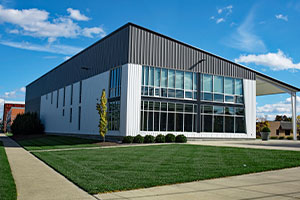
Penfield Christian Home provides addiction care and rehab services such as outpatient individual counseling, long term drug and alcohol rehab programs, detox programs, inpatient drug and alcohol rehab facilities, short term drug rehab programs, and others to clients residing in the local community so that they conquer their substance abuse issues and find full sobriety. It has services - such as group therapy, brief intervention approach, motivational interviewing, vocational rehabilitation services, relapse prevention, contingency management/motivational incentive, and others - which follow its philosophy of the programs that work most effectively. This is because Penfield Christian Home believes that full recovery can only be achieved through highly individualized and personalized care.
In addition, the drug and alcohol treatment program specializes in many other programs - like transgender or (LGBT) clients, active duty military, persons with post-traumatic stress disorder, housing services, residential beds for client's children, programs for the hearing impaired and more - as well as many other treatment modalities listed below. Further, this alcohol and drug treatment facility has aftercare plans that work in line with its treatment methods to make sure that clients maintain permanent, full, and lasting sobriety, stability, and abstinence from drugs and alcohol.
Lastly, Penfield Christian Home accepts private pay, private health insurance, payment assistance, military insurance, state education funds, state welfare or child and family services funds, and more.
 1061 Mercer Circle
Union Point, GA. 30669
706-453-7929
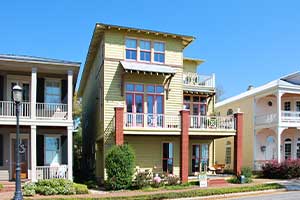
Penfield Addiction Ministries provides recovery care and rehab services such as outpatient substance abuse treatment services, long term addiction treatment programs, detoxification facilities, inpatient drug rehab facilities, short term rehab facilities, and others to clients living in Union Point and its surrounding areas so that they conquer their substance abuse disorders and find full recovery. It has services - such as group therapy, brief intervention approach, motivational interviewing, vocational rehabilitation services, relapse prevention, contingency management/motivational incentive, and others - which follow its philosophy of the programs that work most effectively. This is because Penfield Addiction Ministries believes that full sobriety can only be achieved through highly individualized care.
In addition, the alcohol and drug rehab specializes in many other programs - like transgender or (LGBT) clients, active duty military, persons with post-traumatic stress disorder, housing services, residential beds for client's children, programs for the hearing impaired and more - as well as many other treatment methods listed below. Further, this drug and alcohol rehab has aftercare programs that work in line with its treatment modalities to ensure that individuals achieve and maintain permanent, full, and lasting sobriety, stability, and abstinence from drugs and alcohol.
Lastly, Penfield Addiction Ministries accepts private pay, private health insurance, payment assistance, military insurance, state education funds, state welfare or child and family services funds, and more.
Family Counseling Services of Athens


 1435 Oglethorpe Avenue
Athens, GA. 30606
706-549-7755
Family Counseling Services of Athens is 27 miles from Union Point, GA
Family Counseling Services of Athens provides addiction treatment and rehab services such as intensive outpatient treatment, long term addiction treatment centers, detoxification facilities, inpatient addiction treatment programs, short term addiction treatment centers, and others to clients residing in the Union Point, GA. area so that they overcome their alcohol and drug abuse disorders and find full sobriety. It has services - such as group therapy, brief intervention approach, motivational interviewing, vocational rehabilitation services, relapse prevention, contingency management/motivational incentive, and others - which follow its philosophy of the programs that work most effectively. This is because Family Counseling Services of Athens believes that full sobriety can only be achieved through highly personalized care.
Further, the drug and alcohol rehab center specializes in many other programs - like transgender or (LGBT) clients, active duty military, persons with post-traumatic stress disorder, housing services, residential beds for client's children, programs for the hearing impaired and more - as well as many other treatment modalities listed below. Further, this alcohol and drug rehab program has aftercare plans that work in line with its treatment modalities to ensure that individuals achieve and maintain permanent, full, and lasting sobriety, stability, and abstinence from alcohol and drugs.
Lastly, Family Counseling Services of Athens accepts private pay, private insurance, payment assistance, military insurance, state education funds, state welfare or child and family services funds, and more.
DM and ADR Inc
 1710 Commerce Road
Athens, GA. 30607
706-552-0688
DM and ADR Inc is 27 miles from Union Point, GA
DM & ADR, Inc. The Athens Clinic - Athens, GA. Opioid Treatment Program
Find Drug and Alcohol Treatment Centers in or around the following Georgia cities:
Top Cities For Recovery:
Commonly Asked Questions about Addiction and Treatment
How to help an addict that refuses it?
Helping a loved one who is struggling with addiction but refuses assistance can be a challenging and delicate situation. However, there are several approaches you can take:
- Communication: Have an open, honest, and compassionate conversation about your concerns. Choose a time when they're sober and not in crisis. Avoid judgmental or confrontational language, instead focusing on expressing your feelings and concerns.
- Educate Yourself: Understanding addiction as a disease can help you approach the situation with empathy. Learn about the science of addiction and the resources available for treatment.
- Professional Intervention: An intervention is a structured conversation between the person with addiction and their loved ones, often facilitated by a professional interventionist. The goal is to help the person see the negative impact of their addiction on themselves and others and to encourage them to seek treatment.
- Support Groups: Consider joining a support group for families and friends of individuals dealing with substance use disorders, such as Al-Anon or Nar-Anon. These groups can provide understanding, advice, and encouragement.
- Setting Boundaries: It's crucial to establish boundaries to protect your own mental and physical wellbeing. Make it clear what behaviors you will not tolerate and follow through on consequences if those boundaries are crossed.
- Encouragement: Continually encourage your loved one to seek professional help. Provide them with information about local resources, rehab facilities, or counseling services.
- Self-Care: Don't forget to take care of your own mental and physical health. Seek professional help for yourself if necessary, and remember that it's okay to step back when you need to.
What are the signs of meth addiction?
Physical appearance: Meth use can lead to drastic changes in physical appearance, such as rapid weight loss, poor dental hygiene (often called "meth mouth"), skin sores from excessive picking, and premature aging.
Sleep disturbances: Meth is a potent stimulant, causing users to experience insomnia or erratic sleep patterns. They may stay awake for extended periods, followed by crashing for long hours to recover.
Increased energy and hyperactivity: Meth use can cause a surge in energy, leading to hyperactivity, rapid speech, and fidgeting. The person may engage in repetitive or obsessive behaviors, such as cleaning or disassembling objects.
Paranoia and hallucinations: Meth can induce feelings of paranoia, suspicion, and even auditory or visual hallucinations. The person may become increasingly mistrustful of others and exhibit irrational or delusional beliefs.
Aggression and mood swings: Meth addiction can lead to unpredictable mood swings, including irritability, aggression, anxiety, or depression. The person may become easily agitated or display violent tendencies.
Impaired cognitive function: Chronic meth use can cause difficulties with memory, concentration, and decision-making. The person may struggle to maintain focus or display confusion and disorientation.
Social isolation: Meth addiction can lead to social withdrawal, as the person prioritizes their drug use over personal relationships and activities they once enjoyed.
Risk-taking behaviors: Meth use can impair judgment, leading to increased risk-taking behaviors such as unsafe sexual practices, criminal activities, or driving under the influence.
Neglect of responsibilities: Meth addiction can cause a person to neglect personal, professional, or family obligations, resulting in job loss, financial difficulties, or relationship problems.
Tolerance and withdrawal: Over time, meth users may develop a tolerance to the drug, requiring higher doses or more frequent use to achieve the desired effects. If the person stops using meth, they may experience withdrawal symptoms such as fatigue, depression, anxiety, and intense cravings for the drug.
How can I get help for opioid addiction?
If you or someone you know is struggling with opioid addiction, seeking help is a crucial first step towards recovery. There are several resources and options available to assist you in overcoming opioid addiction:
- Consult a healthcare professional: Speak with a doctor, therapist, or counselor who is experienced in addiction treatment. They can assess your situation, provide guidance, and recommend appropriate treatment options based on your individual needs.
- Medication-Assisted Treatment (MAT): MAT combines medications like methadone, buprenorphine, and naltrexone with counseling and behavioral therapies to treat opioid addiction. These medications can help manage withdrawal symptoms, reduce cravings, and decrease the likelihood of relapse.
- Inpatient treatment programs: Inpatient or residential treatment programs provide intensive, structured care in a controlled environment. These programs typically offer medical detoxification, therapy, counseling, and support group meetings to address the physical and psychological aspects of addiction.
- Outpatient treatment programs: Outpatient programs provide therapy, counseling, and support while allowing individuals to continue living at home and attending work or school. These programs vary in intensity and duration, offering a flexible option for those who cannot commit to inpatient treatment.
- Support groups: Attending support group meetings, such as Narcotics Anonymous (NA) or SMART Recovery, can provide valuable peer support and a sense of community during the recovery process. These meetings allow individuals to share experiences, learn coping strategies, and receive encouragement from others who have faced similar challenges.
- Therapy and counseling: Individual, group, or family therapy can help address the underlying psychological and emotional issues contributing to opioid addiction. Cognitive-Behavioral Therapy (CBT), Dialectical Behavior Therapy (DBT), and Motivational Interviewing (MI) are among the evidence-based therapies that can be beneficial in the recovery process.
- Helplines and crisis lines: If you need immediate assistance or information about opioid addiction and treatment resources, consider calling a helpline, such as our own (877-882-9275), or the Substance Abuse and Mental Health Services Administration (SAMHSA) National Helpline at 1-800-662-HELP (4357) or your local crisis hotline.
- Online resources: Websites like the National Institute on Drug Abuse (NIDA), the American Society of Addiction Medicine (ASAM), and the Substance Abuse and Mental Health Services Administration (SAMHSA) provide a wealth of information about opioid addiction and treatment options. Online forums and communities can also provide peer support and shared experiences.
National Non Profit Helpline - 1-877-882-9275
Our National Non Profit Helpline is a 24/7, 365-day-a-year treatment referral and information service for individuals and families faced with mental and/or substance use disorders.
All calls are strictly confidential
Our service provides referrals to licensed treatment facilities, support groups, and community-based organizations. You don't have to struggle alone with addiction. Help is just a phone call away. Call 1-877-882-9275 now to get the help you need and deserve.
1-877-882-9275




