DM and ADR Inc

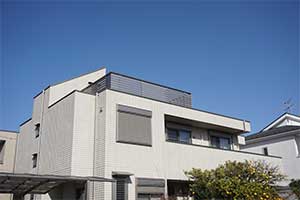
1710 Commerce Road
Athens, GA. 30607
706-552-0688
DM and ADR Inc is 6.5 miles from Hull, Georgia
Hull, GA has nearby choices for addiction treatment including: 2 medicaid treatment centers, 1 inpatient rehab center, 2 drug rehabs that take private insurance like Blue Cross Blue Shield, 2 drug detox, 3 outpatient rehabs.

For help finding an addiction treatment center, Call us!
All calls are 100% confidential and free
1-877-882-9275


DM and ADR Inc is 6.5 miles from Hull, Georgia


Family Counseling Services of Athens is 9.8 miles from Hull, GA
Family Counseling Services of Athens has long been dedicated to helping individuals recovery after a period of drug and alcohol addiction. It has been doing this within Hull, Georgia and in the surrounding communities for quite some time. Family Counseling Services of Athens offers services like couple/family therapy, substance abuse counseling approach, group therapy, dual diagnosis drug rehab, vocational rehabilitation services, group therapy - all of which represent their treatment philosophy. Family Counseling Services of Athens believes that clients need individual focus and treatment for them to find full recovery treatment. This is why it provides various programs, like co-occurring mental and substance abuse disorders, child care for clients children, social skills development, persons with post-traumatic stress disorder, persons with serious mental illness, domestic violence - among other services listed in the following sections.
Family Counseling Services of Athens offers intensive outpatient treatment, inpatient drug and alcohol rehab facilities, long term treatment centers, detoxification facilities, short term rehab programs and others. Further, Family Counseling Services of Athens has aftercare plans that are designed to help clients maintain their sobriety. This drug and alcohol treatment facility also uses treatment types that can help you achieve lasting sobriety.
Finally, Family Counseling Services of Athens accepts cash or self-payment, private health insurance, sliding fee scale, payment assistance, state corrections or juvenile justice funds, other state funds, as well as others.

Potters House is 10.8 miles from Hull, Georgia
Athens Area Commencement Center is 11.8 miles from Hull, GA
National Non Profit Helpline - 1-877-882-9275
Our National Non Profit Helpline is a 24/7, 365-day-a-year treatment referral and information service for individuals and families faced with mental and/or substance use disorders.
All calls are strictly confidential
Our service provides referrals to licensed treatment facilities, support groups, and community-based organizations. You don't have to struggle alone with addiction. Help is just a phone call away. Call 1-877-882-9275 now to get the help you need and deserve.



© Copyright 1998 - 2022 All Rights Reserved. Content is protected under copyright laws, do not use content without written permission.
