Plateau Mental Health Center

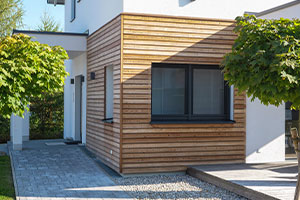
1200 South Willow Avenue
Cookeville, TN. 38506
931-432-4123
Plateau Mental Health Center is 7 miles from Baxter, Tennessee
Baxter, TN has nearby choices for addiction treatment including: 7 low cost programs, 2 inpatient rehabs, 4 drug rehabs that take private insurance like UnitedHealthCare, 1 drug and alcohol detox, 4 outpatient rehabs.

For help finding an addiction treatment center, Call us!
All calls are 100% confidential and free
1-877-882-9275


Plateau Mental Health Center is 7 miles from Baxter, Tennessee
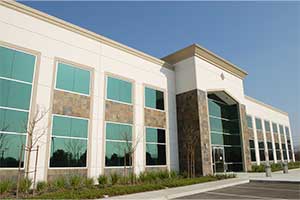
Sober Living of TN is 13.5 miles from Baxter, TN
Sober Living of TN has long been dedicated to assisting its clients recovery after a period of drug and alcohol addiction. It has been doing this within Baxter, Tennessee and in the surrounding communities for many years now. Sober Living of TN provides services like rational emotive behavioral therapy, activity therapy, brief intervention approach, behavior modification, motivational interviewing, dialectical behavior therapy - which are all in line with their philosophy of the treatments and rehabilitation programs that work. In addition, Sober Living of TN believes that clients need unique and individualized treatment approaches to achieve lasting recovery. This is why it provides various programs, like substance abuse education, social skills development, legal advocacy, transgender or (LGBT) clients, persons with eating disorders, persons with post-traumatic stress disorder - among other services listed in the following sections.
In the same way, Sober Living of TN offers outpatient day treatment, inpatient drug rehab centers, short term rehab programs, long term addiction treatment facilities, inpatient detoxification facilities and others. Further, Sober Living of TN has aftercare plans that are useful in helping clients after they complete treatment. This drug and alcohol rehab facility also uses treatment types that can help you create both lasting and permanent stability.
Finally, Sober Living of TN accepts cash or self-payment, private insurance, military insurance, sliding fee scale, state welfare or child and family services funds, access to recovery (atr) voucher, as well as others.
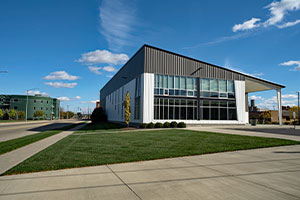
Dale Hollow Mental Health Center is 26.8 miles from Baxter, TN
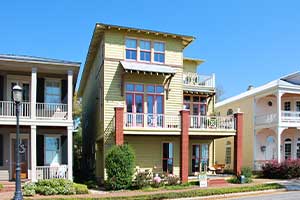
CHEER Mental Health Center is 28.8 miles from Baxter, Tennessee
CHEER Mental Health Center has long been dedicated to assisting its clients recovery after a period of alcohol and drug addiction. It has been doing this within Baxter, TN. and in the surrounding areas for many years now. CHEER Mental Health Center offers services like rational emotive behavioral therapy, activity therapy, brief intervention approach, behavior modification, motivational interviewing, dialectical behavior therapy - all of which represent their treatment philosophy. CHEER Mental Health Center believes that clients need individual focus and treatment for them to find full recovery treatment. This is why it provides various programs, like substance abuse education, social skills development, legal advocacy, transgender or (LGBT) clients, persons with eating disorders, persons with post-traumatic stress disorder - among other services listed in the following sections.
In the same way, CHEER Mental Health Center offers intensive outpatient treatment, inpatient drug rehab centers, short term rehab programs, long term addiction treatment centers, detox facilities and others. Further, CHEER Mental Health Center has continued recovery programs that are useful in helping clients after they complete treatment. This alcohol and drug rehab center also uses treatment methods that can help you create both lasting and permanent stability.
Finally, CHEER Mental Health Center accepts cash or self-payment, private medical insurance, military insurance, sliding fee scale, state welfare or child and family services funds, access to recovery (atr) voucher, as well as others.
National Non Profit Helpline - 1-877-882-9275
Our National Non Profit Helpline is a 24/7, 365-day-a-year treatment referral and information service for individuals and families faced with mental and/or substance use disorders.
All calls are strictly confidential
Our service provides referrals to licensed treatment facilities, support groups, and community-based organizations. You don't have to struggle alone with addiction. Help is just a phone call away. Call 1-877-882-9275 now to get the help you need and deserve.



© Copyright 1998 - 2022 All Rights Reserved. Content is protected under copyright laws, do not use content without written permission.
