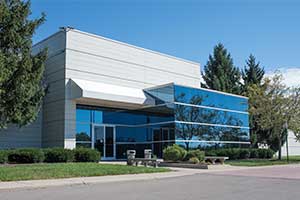
360 Worth Street
Cleveland, TN. 37311
423-479-0353
Cleveland, TN has nearby treatment options including: 2 medicaid programs, 2 inpatient treatment centers, 3 drug rehabs that take private insurance like Blue Cross Blue Shield, 2 drug and alcohol detox, 3 outpatient treatment programs.

For help finding an addiction treatment center, Call us!
All calls are 100% confidential and free
1-877-882-9275



Tennova Healthcare/Cleveland is committed to helping the people of Cleveland, TN. and the surrounding areas to getting their sobriety back after battling with alcohol and drug addiction. Tennova Healthcare/Cleveland administers a wide collection of services in line with their belief of treatments that work - including outpatient substance abuse counseling, detoxification centers, inpatient addiction treatment programs, short term rehab centers, long term rehab programs and others.
Tennova Healthcare/Cleveland also believes that it is important that every individual client gets specific treatments that are tailored to their needs to help ensure treatment is a success. This is why it is specialized in a wide variety of treatment methods, including anger management, motivational interviewing, dual diagnosis drug rehab, group therapy, individual psychotherapy, relapse prevention and others. In addition, Tennova Healthcare/Cleveland is specialized in persons who have experienced sexual abuse, persons with post-traumatic stress disorder, social skills development, legal advocacy, clients referred from the court/judicial system, persons with eating disorders, as well as other special programs. In general, the treatment services that this addiction treatment center uses aims to provide positive and lasting change for each individual.
Lastly, Tennova Healthcare/Cleveland accepts private pay, private health insurance, payment assistance, medicaid, medicare, access to recovery (atr) voucher, state welfare or child and family services funds and more.

Pardridge Valley Cleveland is committed to assisting the residents of Cleveland, Tennessee and the surrounding areas to getting their sobriety back after battling with alcohol and drug addiction. Because of this, Pardridge Valley Cleveland administers a wide assortment of services in line with their belief of treatments that work - including outpatient counseling, inpatient detox facilities, inpatient drug rehab centers, short term drug rehab facilities, long term drug and alcohol rehab facilities and others.
Pardridge Valley Cleveland also believes that it is of the upmost importance that every individual client gets specific treatments that are tailored to their needs to help ensure treatment is a success. This is why it is specialized in a wide variety of treatment modalities, including anger management, motivational interviewing, dual diagnosis drug rehab, group therapy, individual psychotherapy, relapse prevention and others. In addition, Pardridge Valley Cleveland is specialized in persons who have experienced sexual abuse, persons with post-traumatic stress disorder, social skills development, legal advocacy, clients referred from the court/judicial system, persons with eating disorders, as well as other special programs. In general, the treatment methods that this addiction treatment program uses strive to achieve true and lasting sobriety for each of its clients.
Lastly, Pardridge Valley Cleveland accepts cash or self-payment, private health insurance, payment assistance, medicare, medicaid, access to recovery (atr) voucher, state welfare or child and family services funds and more.



Focus Healthcare of Tennessee is 17.1 miles from Cleveland, TN
Helping an individual struggling with addiction without enabling them requires a fine balance. Here are some strategies that might be helpful:
Inpatient drug rehab provides a structured environment for individuals recovering from substance use disorders. The specific details of a typical day can vary between facilities, but most will follow a general schedule that includes therapeutic activities, meals, free time, and sleep. Here's a rough outline of what a day in an inpatient rehab might look like:
Morning:
Afternoon:
Evening:
Throughout the day, residents may also have scheduled times for medication (if applicable), physical exercise, and meeting with their treatment team. The goal of this structured daily routine is to provide a stable, supportive environment that promotes healing and recovery.
It's important to note that the exact schedule and types of activities will vary between different rehab centers and individual treatment plans. When choosing a rehab center, it can be helpful to ask about the daily schedule and types of therapies offered to ensure it aligns with your needs and preferences.
Chronic drug abuse can indeed affect an individual's ability to empathize with others, but it's important to note that this doesn't occur in every case and can depend on a variety of factors, including the specific substance used, the duration and severity of the abuse, and the individual's personal characteristics.
Drugs alter the brain's structure and function, including areas associated with empathy and social cognition, such as the prefrontal cortex and the amygdala. Over time, these changes can lead to decreased empathy, making it harder for individuals to understand or share the feelings of others.
Additionally, the lifestyle associated with chronic drug abuse can also contribute to a loss of empathy. As individuals become more focused on obtaining and using drugs, they may start to neglect their relationships and responsibilities, which can further erode their ability to connect with others on an emotional level.
Furthermore, individuals with substance use disorders often experience a range of negative emotions, such as guilt, shame, anxiety, and depression, which can make it harder for them to empathize with others. They might also become defensive or dismissive of others' feelings as a way of protecting themselves from these negative emotions.
However, it's important to note that these changes are not necessarily permanent. Many people who recover from substance use disorders are able to rebuild their capacity for empathy with time, treatment, and effort. Cognitive-behavioral therapies, mindfulness practices, and other therapeutic approaches can help individuals to improve their emotional understanding and empathy.
National Non Profit Helpline - 1-877-882-9275
Our National Non Profit Helpline is a 24/7, 365-day-a-year treatment referral and information service for individuals and families faced with mental and/or substance use disorders.
All calls are strictly confidential
Our service provides referrals to licensed treatment facilities, support groups, and community-based organizations. You don't have to struggle alone with addiction. Help is just a phone call away. Call 1-877-882-9275 now to get the help you need and deserve.



© Copyright 1998 - 2022 All Rights Reserved. Content is protected under copyright laws, do not use content without written permission.
