


717 Cumberland Drive
Clarksville, TN. 37040
800-447-2766
Clarksville, TN has nearby treatment options including: 1 medicare program, 1 inpatient rehab, 4 drug rehabs that take private insurance like BCBS, 0 drug detox, 4 outpatient treatment programs.

For help finding an addiction treatment center, Call us!
All calls are 100% confidential and free
1-877-882-9275You can now filter our treatment results to show you tailored rehab programs that fit your exact needs. Just choose the type of treatment you are looking for, a payment type such as private insurance or low cost, and any specialized treatment approach you are interested in. Click submit and we will provide a list of alcohol and drug rehab centers that match your criteria.




Cumberland Heights provides addiction treatment and rehab services such as inpatient rehabs, long term drug and alcohol rehab facilities, short term drug treatment, outpatient detox programs, outpatient substance abuse treatment services, and others to clients residing in the Clarksville, TN. area so that they overcome their drug and alcohol use disorders and find full recovery. It has services - such as vocational rehabilitation services, dialectical behavior therapy, individual psychotherapy, cognitive/behavior therapy, trauma therapy, behavior modification, and others - which follow its philosophy of the programs that work most effectively. This is because Cumberland Heights believes that full recovery can only be achieved through highly individualized and personalized care.
Further, the substance abuse treatment facility specializes in many other programs - like active duty military, social skills development, legal advocacy, programs for the hearing impaired, child care for clients children, clients referred from the court/judicial system and more - as well as many other treatment methods listed below. Further, this drug and alcohol rehab center has aftercare programs that work in line with its treatment methods to make sure that individuals maintain permanent, full, and lasting abstinence and sobriety from alcohol and drugs.
Lastly, Cumberland Heights accepts private medical insurance, private pay, medicare, medicaid, military insurance, state welfare or child and family services funds, other state funds, and more.
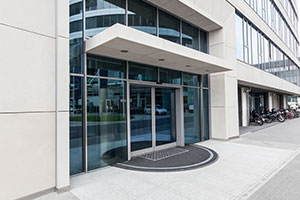

Spero Health provides addiction care and rehab services such as inpatient drug treatment, long term addiction treatment programs, short term drug abuse treatment, inpatient detoxification centers, outpatient substance abuse treatment services, and others to clients residing in the Clarksville, TN. area so that they overcome their substance abuse disorders and achieve full sobriety. It has services - such as vocational rehabilitation services, dialectical behavior therapy, individual psychotherapy, cognitive/behavior therapy, trauma therapy, behavior modification, and others - which follow its philosophy of the programs that work most effectively. This is because Spero Health knows that complete sobriety can only be achieved through highly individualized and personalized care.
In addition, the alcohol and drug rehabilitation program specializes in many other programs - like active duty military, social skills development, legal advocacy, programs for the hearing impaired, child care for clients children, clients referred from the court/judicial system and more - as well as many other treatment modalities that you can find listed below. Further, this addiction treatment facility has aftercare programs that work in line with its treatment methods to make sure that individuals achieve full, lasting, and permanent sobriety, stability, and abstinence from drugs and alcohol.
Lastly, Spero Health accepts private insurance, private pay, medicaid, medicare, military insurance, state welfare or child and family services funds, other state funds, and more.
The duration of drug withdrawal symptoms can vary widely depending on several factors, including the type of substance used, the duration of use, the degree of dependence, individual metabolism and health status, and whether one quits cold turkey or with medical assistance.
Generally, withdrawal symptoms can be divided into acute and post-acute phases:
Acute Withdrawal: This is the initial phase of withdrawal, where physical symptoms are typically the most severe. Depending on the substance, acute withdrawal symptoms can begin within a few hours to a few days after the last use and can last anywhere from a few days to a few weeks. For example, alcohol withdrawal symptoms often start within 8 hours of the last drink and can last up to a few days or weeks, while opioid withdrawal symptoms usually start within 12-30 hours of the last dose and can last approximately a week.
Post-Acute Withdrawal Syndrome (PAWS): Some individuals may experience a second phase of withdrawal known as Post-Acute Withdrawal Syndrome. PAWS refers to a group of symptoms that occur after the acute withdrawal phase, predominantly psychological, such as anxiety, irritability, mood swings, depression, and sleep disturbances. PAWS can last from a few weeks to a year or more after the cessation of substance use.
It's important to remember that withdrawal can be dangerous and even life-threatening in some cases, especially when it comes to substances like alcohol and benzodiazepines. Therefore, withdrawal should always be done under medical supervision. The support and treatment offered by medical professionals during detoxification can also help to mitigate withdrawal symptoms and make the process safer and more comfortable.
"The duration of treatment for drug addiction can vary significantly depending on several factors, including the individual's unique needs, the severity and type of addiction, and the chosen treatment approach. There is no universally prescribed timeline for addiction treatment, as each person's journey to recovery is different. However, some general timeframes can be considered when discussing drug addiction treatment:
Detoxification: The initial detoxification process, during which the body clears itself of drugs and toxins, can range from a few days to several weeks, depending on the substance involved and the individual's physiological response.
Inpatient or residential treatment: Inpatient or residential treatment programs, which provide intensive, structured care in a controlled environment, typically last between 28 days and 90 days. However, some individuals may require extended stays of six months or longer, depending on their progress and specific needs.
Outpatient treatment: Outpatient treatment programs, which offer therapy and support while allowing individuals to continue living at home, can vary in duration and intensity. Some programs may last for several weeks or months, while others may continue for a year or more, with sessions becoming less frequent over time as the individual progresses in their recovery.
Aftercare and ongoing support: Recovery from addiction is a lifelong process, and ongoing aftercare and support are crucial for maintaining long-term sobriety. Aftercare may include continuing therapy, attending support group meetings, or participating in sober living communities. The duration of aftercare and ongoing support can vary based on individual needs and may continue indefinitely.
Research suggests that longer durations of treatment are generally more effective in promoting lasting recovery. The National Institute on Drug Abuse (NIDA) recommends a minimum of 90 days of treatment for most individuals, as shorter durations have been associated with higher relapse rates. However, it is essential to recognize that each person's path to recovery is unique, and the most effective treatment plans are tailored to their specific needs, goals, and circumstances."
Yes, a person struggling with drug addiction can certainly change. It's important to understand that addiction is a chronic, but treatable, disease. Like other chronic diseases, it's not about a "cure" but about managing the condition effectively.
Overcoming addiction typically involves a combination of self-awareness, willingness to change, support, and professional treatment. A key part of the process is the individual's motivation to improve their life and overcome their dependency on substances.
However, recovery from addiction often involves setbacks and challenges. The process can be difficult and time-consuming, requiring substantial personal commitment and support from others. Professional treatment can take several forms, including detoxification, medication-assisted therapy, counseling, and support groups.
Many people who were once addicted to drugs have gone on to live productive, healthy, and fulfilling lives. The journey to recovery is often a lifelong process of maintaining sobriety and managing triggers and cravings.
While change is indeed possible for someone struggling with addiction, it is typically a complex process requiring substantial effort, support, and treatment.
National Non Profit Helpline - 1-877-882-9275
Our National Non Profit Helpline is a 24/7, 365-day-a-year treatment referral and information service for individuals and families faced with mental and/or substance use disorders.
All calls are strictly confidential
Our service provides referrals to licensed treatment facilities, support groups, and community-based organizations. You don't have to struggle alone with addiction. Help is just a phone call away. Call 1-877-882-9275 now to get the help you need and deserve.



© Copyright 1998 - 2022 All Rights Reserved. Content is protected under copyright laws, do not use content without written permission.

