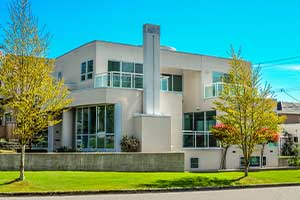
501 Spruce Street
Livingston, TN. 38570
931-823-5678
Livingston, TN has nearby choices for addiction treatment including: 7 low cost treatment centers, 2 inpatient treatment centers, 4 drug rehabs that take private insurance like Aetna, 1 detox center, 4 outpatient treatment programs.

For help finding an addiction treatment center, Call us!
All calls are 100% confidential and free
1-877-882-9275





Plateau Mental Health Center is 21.2 miles from Livingston, Tennessee

Foothills is 23.4 miles from Livingston, TN
Foothills has been dedicating its treatment services and programs to helping individuals who are struggling with alcohol and drug abuse in Livingston and within the surrounding area.
Foothills facilitates a wide range of treatment and rehabilitation programs, including outpatient individual counseling, long term drug and alcohol rehab centers, outpatient detox centers, inpatient drug and alcohol rehab programs, short term drug addiction treatment and more. Foothills also believes that it is necessary that it presents specific services to ensure that individuals get the results that they require. This is why Foothills is specialized in brief intervention approach, trauma therapy, anger management, activity therapy, individual psychotherapy, group therapy, among other programs.
Foothills also provides persons with eating disorders, persons with post-traumatic stress disorder, clients referred from the court/judicial system, suicide prevention services, housing services, seniors or older adults, and offers some of the best continued recovery programs - all of which have been proved to be useful in helping its clients. This addiction treatment center also uses treatment methods that can help you achieve the best possible outcome.
Foothills also accepts the following types of payment - private health insurance, cash or self-payment, medicare, medicaid, sliding fee scale, county or local government funds, state welfare or child and family services funds and more.

A SilverLining Counseling Inc is 28.4 miles from Livingston, Tennessee
A SilverLining Counseling Inc has been dedicating its treatment services and programs to helping individuals who are struggling with substance abuse in Livingston, TN. and its surrounding area.
A SilverLining Counseling Inc provides a wide range of treatment and rehabilitation programs, including outpatient day treatment, long term treatment centers, detoxification centers, inpatient drug and alcohol rehab programs, short term drug and alcohol rehabs and more. A SilverLining Counseling Inc also believes that it is vital that it presents tailored services to ensure that individuals get the results that they are looking for. This is why A SilverLining Counseling Inc is specialized in brief intervention approach, trauma therapy, anger management, activity therapy, individual psychotherapy, group therapy, among other programs.
A SilverLining Counseling Inc also provides persons with eating disorders, persons with post-traumatic stress disorder, clients referred from the court/judicial system, suicide prevention services, housing services, seniors or older adults, and offers some of the best continued recovery programs - all of which have been proved to be useful in helping its clients. This drug and alcohol rehabilitation program also uses treatment modalities that can help you achieve the best possible outcome.
A SilverLining Counseling Inc also accepts the following forms of payment - private health insurance, private pay, medicare, medicaid, sliding fee scale, county or local government funds, state welfare or child and family services funds and more.
Supporting an adult child in their recovery process can be a challenging yet crucial role. Here are some ways you can provide support:
Educate Yourself: Learn about addiction and the recovery process. Understanding the nature of your child's struggle can help you provide more effective support and reduce misperceptions and stigma.
Encourage Treatment: Encourage your child to seek professional help and stay engaged with their treatment plan. This could involve therapy, counseling, medication-assisted treatment, and/or participation in a recovery support group.
Be Patient and Understanding: Recovery is a long and challenging process that often involves setbacks. Be patient with your child's progress and provide emotional support and encouragement.
Promote Healthy Lifestyle: Encourage your child to maintain a healthy lifestyle. This could involve supporting them in adopting healthy eating habits, regular physical activity, and adequate sleep. Also, help them find healthy coping mechanisms and hobbies to replace substance use.
Support Their Independence: It's important for your adult child to feel capable and independent. While it's important to support them, avoid taking over their responsibilities. Instead, encourage them to take charge of their own recovery.
Set Boundaries: Clear, healthy boundaries are crucial in any relationship, but especially when dealing with addiction. Communicate your limits openly and honestly. For example, you might make it clear that you won't provide financial support for substance use.
Attend Family Therapy: Consider participating in family therapy or counseling. This can help you understand how to better support your child, improve communication, and address any issues within the family dynamic that may contribute to the substance use disorder.
Join a Support Group: Consider joining a support group for parents of adults with substance use disorders. These groups can provide understanding, advice, and resources.
Take Care of Yourself: Remember, you can't pour from an empty cup. Ensure you're taking care of your own physical and mental health too. Seek support when you need it, and take time for self-care.
Drug withdrawal is a complex process that can feel different for everyone, depending largely on the type of substance involved, the duration and intensity of use, and individual factors like overall health and genetic predisposition. However, some general experiences and symptoms are often associated with the withdrawal process:
Physical Symptoms: Many people experience physical discomfort or illness during withdrawal. Depending on the substance, this can range from flu-like symptoms (such as fever, chills, sweating, muscle aches, and fatigue) to more severe symptoms like seizures or hallucinations. Opioid withdrawal, for example, is often compared to a severe flu, while alcohol withdrawal can be life-threatening in severe cases.
Psychological Symptoms: Withdrawal can also involve psychological symptoms like anxiety, depression, mood swings, irritability, difficulty concentrating, and cravings for the substance. These can be just as challenging, if not more so, than the physical symptoms.
Sleep Disturbances: Insomnia is a common symptom of withdrawal from many substances, while vivid or disturbing dreams may occur when withdrawing from others.
Discomfort and Distress: Generally, withdrawal can be a very uncomfortable and distressing process. The body has become used to the presence of the substance, and it can react strongly when the substance is no longer available.
Cravings: One of the most challenging aspects of withdrawal for many people is the intense cravings for the substance. These cravings can be both physical and psychological, and they can be triggered by various factors, including stress, people, places, or things associated with substance use.
National Non Profit Helpline - 1-877-882-9275
Our National Non Profit Helpline is a 24/7, 365-day-a-year treatment referral and information service for individuals and families faced with mental and/or substance use disorders.
All calls are strictly confidential
Our service provides referrals to licensed treatment facilities, support groups, and community-based organizations. You don't have to struggle alone with addiction. Help is just a phone call away. Call 1-877-882-9275 now to get the help you need and deserve.



© Copyright 1998 - 2022 All Rights Reserved. Content is protected under copyright laws, do not use content without written permission.
