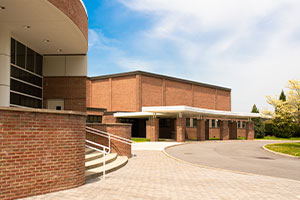
North Plains, Oregon
North Plains, OR Profile
North Plains, OR, population 1,605 , is located
in Oregon's Washington county,
about 16.2 miles from Portland and 16.3 miles from Vancouver.
In the 90's the population of North Plains has grown by about 65%.
It is Estimated in recent years the population of North Plains has been growing at an annual rate of 3.0 percent.
Reports show that during 2003 property crime levels in the North Plains area were lower than Oregon's average.
The same data shows violent crime levels to be lower than the Oregon average.
North Plains Statistics
North Plains Gender Information
Males in North Plains: 793 (49%)
Females in North Plains: 812 (51%)
As % of Population in North Plains
Race Diversity in North Plains
White: 91%
Native American: 2%
Asian: 2%
Other/Mixed: 5%
As % of Population in North Plains
Age Diversity in North Plains
Median Age in North Plains: 34.0 (Males in North Plains: 32.2, Females in North Plains: 36.0)
North Plains Males Under 20: 17%
North Plains Females Under 20: 15%
North Plains Males 20 to 40: 15%
North Plains Females 20 to 40: 14%
North Plains Males 40 to 60: 12%
North Plains Females 40 to 60: 13%
North Plains Males Over 60: 5%
North Plains Females Over 60: 9%
Economics in North Plains
North Plains Household Average Size: 2.7 people
North Plains Median Household Income: $ 49,563
North Plains Median Value of Homes: $ 146,200
Law Enforcement in North Plains
Reported crimes in the North Plains area during 2003:
Murder and non-negligent man-slaughter: 0
Forcible rape: 1
Robbery: 0
Aggravated assault: 2
Violent crime events per 100,000 people: 170
Burglary: 4
Larceny-theft: 28
Motor vehicle theft: 6
Arson: 0
Property crime events per 100,000 people: 2,153
North Plains Location Information
Elevation: 200 feet above sea level.
Land Area: 0.7 Square Miles.
Nearby Towns & Cities to North Plains
Hillsboro 5.1 Miles
Banks 6.0 Miles
Cornelius 6.2 Miles
Rockcreek 6.5 Miles
Forest Grove 7.8 Miles
Oak Hills 8.3 Miles
Aloha 9.4 Miles
Cedar Mill 10.2 Miles
Cedar Hills 11.4 Miles
Beaverton 11.9 Miles
Big Cities Nearest North Plains
(Population 100,000+)
Portland 16.2 Miles
Vancouver 16.3 Miles
Salem 45.3 Miles
Eugene 107.0 Miles
Tacoma 117.5 Miles
Seattle 142.5 Miles
Bellevue 144.3 Miles
Spokane 300.3 Miles
Boise 361.3 Miles
Reno 449.7 Miles
|
Facts
In 1986 Congress established mandatory minimum sentences for convicted dealers, responding to public outcry that judges sentencing cocaine and crack offenders were too lenient. Lawmakers made a distinction between powdered cocaine and crack: The mandatory minimum sentence for possession of five hundred grams of powdered cocaine was five years in prison. The same sentence was mandated for possession of just five grams of crack. Although the stated objective of these mandatory minimum sentences was to reduce the amount of cocaine and crack available on the street, the laws generated a great deal of controversy. First, many community leaders question whether harsher sentences for crack offenses have actually reduced the volume of crack. According to the NHSDA, there are about six hundred thousand regular crack users in the United States and this number has remained stable for the past ten years. Some believe that the stabilized rate is evidence that mandatory minimum sentencing has been successful. The number of intoxicated pedestrians struck and killed by cars has declined in recent years, but it's still a serious problem, according to the National Highway Traffic Safety Administration and the Centers for Disease Control and Prevention. In 1992 (most recent figures available), 5,546 pedestrians were killed by motor vehicles. Of those, 36 percent were intoxicated. More than half the pedestrians killed between the ages of 25 and 34 were drunk at the time of the accident. One-third of 15- to 20-year-old pedestrians killed were intoxicated, even though the purchase of alcohol by much of this age group is illegal. If an individual is using drugs and he or she decides to stop using, they can... right? Not really. Why, you ask. Quite simple. It can be summed up all in one word: withdrawal. Drug use is more than just a bad habit. Drug use is addictive not only because psychologically an individual feels compelled to use, but also because his or her body develops a physical dependence. When this dependence develops and drug use is abruptly discontinued, symptoms of withdrawal can and usually do arise. Basically, the body goes into shock. The exact symptoms of withdrawal will change depending on the drug the individual is dependent upon. Abuse potential: A term used in PSYCHOPHARMACOLOGY and drug development research to denote the potential a drug has to become abused (used in a manner that deviates from the approved medical or social patterns within a given culture). It is important to establish the abuse potential of compounds that are prescribed for therapeutic purposes, particularly for newly developed drugs. Often the abuse potential of a compound will be determined in the drug SELF-ADMINISTRATION test in animals; if the drug is self-administered, it has abuse potential. |
Alcoholism
Alcoholism, also known as "alcohol dependence," is a condition that includes craving and continued alcohol abuse despite repeated drinking-related problems, such as losing a job or getting into trouble with the law. It includes four major areas: Craving: - A strong need, or compulsion, to drink. Impaired control: -The inability to limit one's drinking on any given occasion. Physical dependence: -Withdrawal symptoms, such as nausea, sweating, shakiness, and anxiety, when alcohol use is stopped after a period of heavy drinking. Tolerance: - The need for increasing amounts of alcohol in order to feel its effects.
Therapeutic Community
An effective therapeutic community attends to the many needs of the individual, not just his or her drug use. Care given at a therapeutic community addresses the individual's drug use and associated medical, psychological, social, vocational, and legal problems. Also, a therapeutic community will continue to be flexible and provide ongoing assessments of the individual's needs, which may change during the course of care.
Remaining in care at a therapeutic community for an adequate period of time is critical for treatment effectiveness. The time depends on an individual's needs. For most people, the significant improvement is reached at about 3 months in treatment.
Abstinence
Abstinence is the act or practice of refraining from indulging a desire. The type of abstinence we are referring to here is abstinence from drugs and alcohol. This term has two connotations when it comes to abstaining from drugs. The first refers to drug or alcohol treatment programs that aim to help an individual stop using drugs or alcohol for the rest of their lives. The time abstinence is also used in drug education and prevention. It refers to trying to stop children from ever using drugs.
Addiction
Addiction is one of the many consequences of so-called 'casual' drug and alcohol abuse. A loss of control over drugs and alcohol can be driven by physical or psychological factors, or sometimes both. Physical addiction takes place when the body comes to need a drug to function normally. If it is not taken, unpleasant withdrawal symptoms occur. The only way to avoid this is to take more of the drug. Psychological addiction takes place when an individual comes to rely on a drug to supply good feelings, such as relaxation, self-confidence, self esteem, and freedom from anxiety. This is not just a casual desire, it's a powerful compulsion.
Drug Overdose
A drug overdose occurs when you consume more drugs than your body can tolerate. Drug users are constantly flirting with the risk of a drug overdose. There is a
fine line between the high they're seeking and serious injury or death. While many victims of drug overdose recover without long term effects, there
can be serious consequences. Some drug overdoses cause the failure of major
organs like the kidneys or liver, or failure of whole systems like the
respiratory or circulatory systems. Patients who survive drug overdose may need
kidney dialysis, kidney or liver transplant, or ongoing care as a result of
heart failure, stroke, or coma. Death can occur in almost any drug overdose
situation, particularly if treatment is not started immediately.
|
|

To Find Drug Rehab and Treatment Centers in North Plains
Call toll free


North Plains Drug Rehab and
Alcohol Addiction Treatment Information
|