

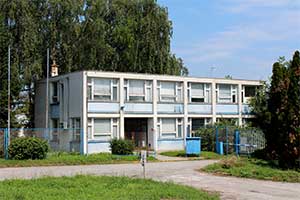
2555 Main Street
Klamath Falls, OR. 97601
541-883-2795
Klamath Falls, OR has nearby treatment options including: 4 medicaid treatment centers, 2 inpatient treatment centers, 4 drug rehabs that take private insurance like Blue Cross Blue Shield, 1 detox center, 2 outpatient treatment programs.

For help finding an addiction treatment center, Call us!
All calls are 100% confidential and free
1-877-882-9275



Like other drug and alcohol rehab facilities, Klamath Tribal Health and Family Servs is committed to long term recovery for alcohol and drug addicts living in Klamath Falls, Oregon and its surrounding areas. As such, this drug and alcohol rehab has been offering services like individual psychotherapy, motivational interviewing, group therapy, substance abuse counseling approach, brief intervention approach, vocational rehabilitation services and more, which is in line with its philosophy of the treatments that actually work to help addicts recover from their condition (s).
In Addition, Klamath Tribal Health and Family Servs knows that it is important that its clients receive individualized care to ensure that they are successful. They specialize in various programs such as self-help groups, persons who have experienced sexual abuse, programs for the hearing impaired, active duty military, veterans, persons with eating disorders and others that you can find listed below. These services that Klamath Tribal Health and Family Servs offers are also available in a variety of settings - inpatient drug rehab programs, outpatient substance abuse counseling, long term treatment centers, outpatient detox programs, short term drug rehab centers and more.
This rehab also has aftercare planning that can help you achieve permanent sobriety both in the short and in the long term. Finally, Klamath Tribal Health and Family Servs accepts private insurance, cash or self-payment, medicaid, medicare, sliding fee scale, access to recovery (atr) voucher, county or local government funds and others.


Like other alcohol and drug rehab programs, Full Circle Healing is dedicated to ongoing recovery for alcohol and drug addicts living in Klamath Falls, OR. and within the surrounding region. As such, this alcohol and drug rehab program has been providing services like individual psychotherapy, motivational interviewing, group therapy, substance abuse counseling approach, brief intervention approach, vocational rehabilitation services and more.
Further, Full Circle Healing believes that it is essential that its clients receive individualized care to ensure that they get effective results. This is why it specializes in several programs such as self-help groups, persons who have experienced sexual abuse, programs for the hearing impaired, active duty military, veterans, persons with eating disorders and others that you can find listed in the following section. These services that Full Circle Healing provides are also available in a variety of settings - inpatient addiction treatment programs, outpatient hospital programs, long term drug and alcohol rehabs, inpatient detoxification programs, short term drug rehab programs and more.
This rehab also has aftercare planning and other treatment methods that can help you find lasting stability in the long term. Finally, Full Circle Healing accepts private insurance, private pay, medicaid, medicare, sliding fee scale, access to recovery (atr) voucher, county or local government funds and others.
Detoxification, or detox, is the process of removing toxic substances, such as drugs or alcohol, from an individual's body. It is usually the initial step in treating a person with alcohol or drug addiction before they undergo further treatment or therapy. Detox serves several purposes in the recovery process:
Helping someone detoxing from opioids is a delicate process that requires careful attention, support, and understanding. Here are some ways you can assist:
Encourage Professional Help: Detoxing from opioids should ideally be done under the supervision of healthcare professionals. Encourage them to seek professional help, as this ensures their safety throughout the process and provides them with the best chance for successful recovery.
Learn About Opioid Withdrawal: Understanding the process of opioid withdrawal can help you be more empathetic and supportive. Symptoms can include anxiety, restlessness, insomnia, and flu-like symptoms such as sweating and diarrhea. Also, be aware of Post-Acute Withdrawal Syndrome (PAWS), which can present psychological symptoms like mood swings and depression for weeks or months after the initial detox period.
Provide Emotional Support: Be patient, understanding, and supportive. Listen to them, be there for them, and reassure them that they're not alone in this process. Avoid shaming or blaming, which can increase feelings of guilt and discourage recovery efforts.
Support Their Treatment Plan: Help them stick to their treatment plan. This could involve driving them to appointments, ensuring they take prescribed medications, or helping them manage their schedule to accommodate therapy or support group meetings.
Promote Healthy Habits: Encourage them to eat healthily, exercise, and get enough sleep. These habits can help strengthen their physical health and resilience during detox and recovery.
Limit Triggers: Help create an environment that minimizes triggers for drug use. This might involve clearing out substances and paraphernalia, or avoiding places or people associated with drug use.
Join a Support Group: Consider attending a support group for friends and family members of people with substance use disorders, such as Nar-Anon. These groups can offer valuable advice, resources, and support for you as you help your loved one.
Take Care of Yourself: Supporting someone through detox can be emotionally demanding. Make sure to take care of your own mental and physical health, too. Self-care isn't selfish�''it's crucial for you to be able to provide sustained support to your loved one.
Preventing teen substance abuse requires a comprehensive, multifaceted approach that involves various sectors of society, including families, schools, communities, and the healthcare system. Here are some strategies that can be employed:
Education and Awareness: Schools and communities can provide education about the dangers of substance abuse, the nature of addiction, and the benefits of healthy lifestyle choices. This education should be accurate, age-appropriate, and engaging.
Family Engagement: Parents and caregivers play a critical role in prevention. They can talk openly with their children about substance abuse, set clear expectations around substance use, monitor their children's activities and friendships, and provide a supportive and nurturing environment.
Early Intervention: Early identification of risk factors for substance abuse (such as mental health issues, academic struggles, or behavioral problems) can allow for timely intervention. Healthcare providers, educators, and parents can all play a role in identifying and addressing these risk factors.
Access to Mental Health Services: Teens with mental health conditions are at a higher risk of substance abuse. Ensuring access to mental health services can help address these underlying issues and reduce the risk of substance abuse.
Healthy Activities: Providing teens with opportunities for healthy, engaging activities (like sports, arts, volunteering, etc.) can reduce boredom and stress, provide a sense of purpose and belonging, and offer positive alternatives to substance use.
Community Support: Communities can create environments that support healthy choices and discourage substance use. This can include things like enforcing age restrictions on the sale of alcohol and tobacco, providing safe and substance-free recreational opportunities for teens, and fostering a community culture that values health and wellbeing.
Substance Abuse Programs: Schools and communities can implement evidence-based substance abuse prevention programs. These programs can teach skills for resisting peer pressure, making healthy decisions, and coping with stress.
Policy Measures: Policies can be implemented that help prevent substance abuse, such as those that limit the advertising of alcohol and tobacco products, regulate the prescription of addictive medications, and support substance abuse prevention and treatment services.
Peer Support and Leadership: Peer-led initiatives can be very effective in preventing teen substance abuse. Teens may be more likely to listen to and be influenced by their peers. Peer leaders can model healthy behaviors, challenge norms around substance use, and provide support to their peers.
National Non Profit Helpline - 1-877-882-9275
Our National Non Profit Helpline is a 24/7, 365-day-a-year treatment referral and information service for individuals and families faced with mental and/or substance use disorders.
All calls are strictly confidential
Our service provides referrals to licensed treatment facilities, support groups, and community-based organizations. You don't have to struggle alone with addiction. Help is just a phone call away. Call 1-877-882-9275 now to get the help you need and deserve.



© Copyright 1998 - 2022 All Rights Reserved. Content is protected under copyright laws, do not use content without written permission.
