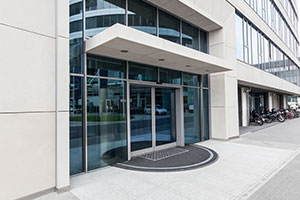
870 SE 82nd Drive
Gladstone, OR. 97027
503-659-5515
Gladstone, OR has nearby treatment options including: 4 medicaid programs, 0 inpatient rehab, 4 drug rehabs that take private insurance like UnitedHealthCare, 1 drug detox, 4 outpatient rehabs.

For help finding an addiction treatment center, Call us!
All calls are 100% confidential and free
1-877-882-9275




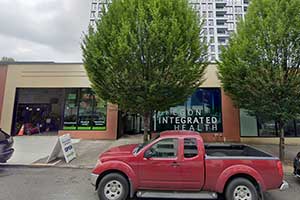
Integrated Health Clinics LLC is 1.3 miles from Gladstone, OR
Acadia Northwest is 2.2 miles from Gladstone, Oregon
Acadia Northwest has long been dedicated to helping its clients recovery after a period of alcohol and drug addiction. It has been doing this within Gladstone, OR. and in the surrounding areas for quite some time. Acadia Northwest provides services like cognitive/behavior therapy, trauma therapy, group therapy, substance abuse counseling approach, anger management, relapse prevention - which are all in line with their philosophy of the treatments and rehabilitation programs that work. Acadia Northwest believes that clients need specially tailored treatment programs to achieve recovery. This is why it offers various programs, like legal advocacy, aftercare/continuing care, active duty military, transgender or (LGBT) clients, seniors or older adults, treatment for spanish-speaking clients - among other services listed in the following sections.
Acadia Northwest offers inpatient drug rehab programs, outpatient detoxification programs, long term addiction treatment facilities, outpatient day treatment, short term drug abuse treatment and others. Acadia Northwest has aftercare plans that are useful in helping clients after they complete treatment. This drug and alcohol rehabilitation program also uses treatment methods that can help you create both lasting and permanent stability.
Finally, Acadia Northwest accepts private insurance, private pay, sliding fee scale, medicare, medicaid, access to recovery (atr) voucher, state corrections or juvenile justice funds, as well as others.

Northwest Treatment LLC is 2.2 miles from Gladstone, Oregon
Northwest Treatment LLC has long been dedicated to helping individuals recovery after a period of substance abuse. It has been doing this within Gladstone, Oregon and in the surrounding areas for many years now. Northwest Treatment LLC offers services like cognitive/behavior therapy, trauma therapy, group therapy, substance abuse counseling approach, anger management, relapse prevention - all of which represent their treatment philosophy. Northwest Treatment LLC believes that clients need unique and individualized treatment approaches to achieve lasting recovery. This is why it offers various programs, like legal advocacy, aftercare/continuing care, active duty military, transgender or (LGBT) clients, seniors or older adults, treatment for spanish-speaking clients - among other services listed in the following sections.
Northwest Treatment LLC offers inpatient drug and alcohol rehab centers, detoxification programs, long term drug rehab centers, outpatient counseling, short term rehabs and others. Further, Northwest Treatment LLC has relapse prevention programs that are useful in helping clients after they check out of rehab. This alcohol and drug rehab facility also uses treatment methods that can help you achieve and maintain a full recovery.
Finally, Northwest Treatment LLC accepts private insurance, private pay, sliding fee scale, medicare, medicaid, access to recovery (atr) voucher, state corrections or juvenile justice funds, as well as others.
Confronting someone about their drug addiction is a delicate task, requiring a compassionate, non-judgmental approach. It's crucial to express your concerns without inciting defensiveness. Here are some steps to guide you through this process:
Helping someone afflicted with alcoholism requires a compassionate and supportive approach. The following steps can be useful in assisting an individual struggling with alcohol addiction:
Medical detox, also known as medically supervised detoxification, is the process of safely managing the physical symptoms of withdrawal from substances like alcohol, opioids, or other drugs under the supervision of healthcare professionals. This process is typically the first step in a comprehensive treatment plan for substance use disorders.
The goal of medical detox is to minimize the physical harm caused by withdrawal and to alleviate discomfort. Here's what it typically involves:
Evaluation: This first step includes a thorough assessment of the individual's physical and mental health, as well as the extent and nature of their substance use. This information is used to design an appropriate and personalized detox and treatment plan.
Stabilization: During this phase, medical professionals administer treatment to manage withdrawal symptoms and ensure the patient's safety. This may involve the use of medications to ease symptoms and prevent complications. Medical staff monitor the patient's vital signs like heart rate, blood pressure, and temperature, and may provide nutritional support and hydration as needed.
Preparation for Further Treatment: Once the acute phase of detox is complete, the focus shifts to preparing the individual for further treatment, such as inpatient or outpatient rehab. This may involve counseling or therapy to help the individual understand the importance of continuing treatment to maintain long-term recovery.
National Non Profit Helpline - 1-877-882-9275
Our National Non Profit Helpline is a 24/7, 365-day-a-year treatment referral and information service for individuals and families faced with mental and/or substance use disorders.
All calls are strictly confidential
Our service provides referrals to licensed treatment facilities, support groups, and community-based organizations. You don't have to struggle alone with addiction. Help is just a phone call away. Call 1-877-882-9275 now to get the help you need and deserve.



© Copyright 1998 - 2022 All Rights Reserved. Content is protected under copyright laws, do not use content without written permission.
