Preventing Drug Abuse In Communities Across America Through Our Effective Drug Education Programs. Helping People And Families Afflicted With Addiction Find The Help That They Need And Deserve.
Get Help. Find a Rehab Center Today.1-877-882-9275(Tap to Call)
Portland, OR has a multitude of treatment options including: 43 low cost treatment centers, 6 inpatient drug rehabs, 32 drug rehabs that take private insurance like Blue Cross Blue Shield, 7 drug detox, 33 outpatient treatment programs.
Get Help - Find a Rehab Center Today
For help finding an addiction treatment center, Call us!
You can now filter our treatment results to show you tailored rehab programs that fit your exact needs. Just choose the type of treatment you are looking for, a payment type such as private insurance or low cost, and any specialized treatment approach you are interested in. Click submit and we will provide a list of alcohol and drug rehab centers that match your criteria.
The green, lush city of Portland, Oregon—world-renowned for its love of art, its free-wheelin' culture, and its liberal politics—has also long been known as a city with one of the worst homeless problems on the west coast, perhaps even in the whole country at large. And of course, with the incredible challenge of rampant homelessness comes the incredible challenge of widespread drug addiction.
Many people think that areas with a high rate of homelessness suffer the most from heroin, but that's probably because heroin is the drug most often portrayed in movies and television. In 2016, methamphetamine contributed to more deaths in Oregon than heroin and effectively matched the death rate from prescription opioids. Among Portland's homeless, the first drug of choice is actually methamphetamine, and it may have something to do with the local climate. Portland has the dubious distinction of having basically three wet, rainy, cold seasons out of the year, and when surveyed, many homeless people attribute methamphetamine to being like "anti-freeze." In addition to strong feelings of euphoria, methamphetamine is a powerful stimulant and makes users want to constantly move, which can help keep a person without shelter warm on a bone-chilling winter evening. Since sleeping can also be quite dangerous for a homeless person (as it leaves them vulnerable to being robbed or attacked) meth provides another advantage: the ability to stay up for days and days on end without ever getting tired. Another advantage to meth over heroin is that it doesn't require the poke of a needle and all the dangers that come along with it. Meth can be smoked, ingested, or injected.
It's well known that the state of Oregon as whole has long suffered from drug addiction, and a recent study confirmed it. The results were absolutely sobering. Oregon ranked first for marijuana, as well as first for misuse of prescription pain killers (opioids.) It also ranked second in the country for methamphetamine use, and fourth for cocaine. We can only hope that the beautiful city of Portland—a powerful business hub in the region, and a draw for artists around the world--can get a hold on its tidal wave of drug abuse before more damage is done.
Treatment Facility Settings and Recovery Approaches
Portland's many rehabilitation centers, a number of which are listed below, address a problem that is prevalent in cities throughout the US: drug and alcohol abuse. These facilities counter this adversity locally by offering sites and programs that are convenient for clients within the area. These settings can include: short term addiction treatment facilities, long term drug rehab facilities, outpatient substance abuse treatment services, inpatient rehab programs, inpatient detox facilities.
Substance abuse treatment centers use many approaches, ranging from well-established methods to newer approaches such as: substance abuse counseling approach, anger management, rational emotive behavioral therapy, behavior modification, vocational rehabilitation services, dialectical behavior therapy. The result is an array of programs that clear the path to achievable lasting recovery for numerous patients.
Special Programs for Addiction Offered by Treatment Centers
Individuals struggling with substance abuse often require customized support to get off drugs and alcohol. That is why addiction treatment programs in Portland provide specialized services that help patients within their individual circumstances. Some of these services are listed here: persons who have experienced sexual abuse, programs for the hearing impaired, social skills development, legal advocacy, active duty military, treatment for spanish-speaking clients.
Rehab Payment Alternatives in Portland, OR.
Patients face diverse financial circumstances, which is why addiction treatment programs provide multiple payment choices, including: private medical insurance, cash or self-payment, sliding fee scale, payment assistance, state corrections or juvenile justice funds, state welfare or child and family services funds.
Payment should not have to be an obstacle to addiction rehab. Rehab programs direct patients toward the financing alternatives that help their specific budgetary needs.
With a variety of centers, programs, services, methods and payment options, Portland offers patients multiple alternatives when it comes to seeking treatment from addiction.
Clinical Review Staff
Dr. Gina M Jansheski, M.D.
Dr. Po-Chang Hsu, M.D., M.S.
Renee Warmbrodt, RN, MSN, CPNP-PC
Drug and Alcohol Treatment Programs Serving the Portland, Oregon Area:
17070 SE McLoughlin Boulevard Portland, OR. 97267 503-303-4000
Phone:503-303-4000
The Cascadia Woodland Park Health Center, as part of Cascadia Behavioral Healthcare's network of clinics, delivers services that focus on the health of the whole person. Their integrated services are offered within the Portland area, and are designed to support physical, emotional, behavioral, and mental healing. To this end, patients can access everything from primary care to addiction services. The center's substance abuse treatment program uses both medication-assisted treatment and counseling. The center can also manage patients who suffer from a gambling addiction.
3036 NE Martin Luther King Jr Blvd Portland, OR. 97212 503-283-3763
Phone:503-283-3763
Cascadia's Garlington Health Center, as part of Cascadia Behavioral Healthcare's network of clinics, offers integrated services that address the whole-body health of patients within the Portland area. In order to help patients heal from mental, physical, and behavioral issues, the center offers health care, addiction treatment, primary care, and housing support to patients based on their individual needs. Their addiction treatment services combine medication and counseling to offer patients a complete approach to their recovery. The center also addresses gambling addiction.
324 NW Davis Street Portland, OR. 97209 503-226-2203
Phone:503-226-2203
Downtown Portland Comprehensive Treatment Center provides medication-assisted treatment (MAT) and counseling services for adults ages 18 and older of all genders who are currently struggling with opioid use disorder. The center uses Suboxone, buprenorphine, and methadone medications to reduce withdrawal symptoms and help eliminate opioid cravings. Each patient consults with a healthcare provider and creates a personalized treatment plan that consists of a regimen for medication in combination with individual and group counseling sessions. This comprehensive treatment approach allows the patient to regain physical strength and mental clarity while making the lifestyle changes necessary for long-term recovery.
11035 NE Sandy Boulevard Portland, OR. 97220 503-736-6565
Phone:503-736-6565
Morrison Child and Family Services is located in Portland, OR. It was founded in 1947 by a group of concerned citizens and physicians with a commitment to providing mental health services for the children of the local community. Today, it takes care of more than 8,000 children and their families and loved ones.
173 NE 102nd Avenue Portland, OR. 97220 503-906-9995
Phone:503-906-9995
Recovery Works Northwest is a substance abuse treatment program in Portland that specializes in the medication-assisted treatment of opioid addiction. Their MAT program includes outpatient MAT treatment, individual counseling, and group therapy offered on a flexible schedule to accommodate patient needs. In addition to MAT, the program offers a range of other services for individuals who suffer from addiction. These services include addiction counseling, mental health therapy, and peer support. In order to make recovery possible for more individuals, the center accepts a wide number of insurance programs and offers its services on an affordable basis.
Pacific Alcohol and Drug Counseling, Inc. provides an array of outpatient services to individuals who suffer from drug or alcohol addiction. They also provide drug and alcohol evaluations. Their services are designed to meet the treatment completion requirements of the DMV, County Probationary System, and the state. Their treatment approach emphasizes client participation in activities such as counseling, holistic approaches, peer-to-peer interaction, and community-based recovery groups. Included in these treatment approaches is education of patients regarding the addiction cycle, alongside relapse prevention and teaching patients the skills they need to maintain their recovery after they leave treatment.
4310 NE Killingworth Street Portland, OR. 97208 503-535-1150
Phone:503-535-1150
De Paul Treatment Centers provides drug and alcohol treatment to men, women, youth, and families. We offer a full continuum of care that includes medical detox, residential, day treatment and outpatient programs, family therapy, and treatment of co-occurring mental health disorders. De Paul's mission is to create freedom from addiction.
Serenity Lane is a private, not-for-profit drug and alcohol treatment center in Portland. The center is open 24/7 for the admission of patients, and offers a continuum of care that includes detox, residential treatment, and an intensive outpatient program. They also offer DUII services throughout the area of Portland. Their programs, which serve adults aged 18 and up, are also capable of treating individuals who suffer from co-occurring disorders. Their residential center is located in Coburg, OR, while they have outpatient clinics throughout the greater Portland area.
17882 SE Mcloughlin Boulevard Portland, OR. 97267 503-353-9415
Phone:503-353-9415
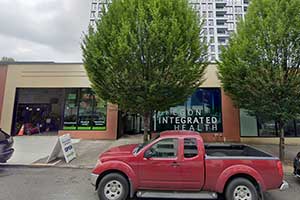
Integrated Health Clinics provide drug and alcohol abuse treatment services that focus on outreach, individualized treatment, and comprehensive approaches for patients. As a CARF-accredited program, Integrated Health Clinics also supports the treatment of opioid addiction. This program's services include a number of screenings and evaluations, medication-assisted treatment for opioid addiction, counseling, trauma-informed care, aftercare, and relapse prevention. The program also provides patients with the coordination of healthcare services, a mentoring program, and referrals to additional services as needed.
18088 SE Market Street Portland, OR. 97233 855-733-2632
Phone:855-733-2632
CODA's Portland Recovery Center is a substance abuse treatment program in the Portland area. This program outpatient detox, outpatient medication-assisted management, and regular outpatient addiction treatment services for its patients. Their evidence-based treatment approaches, such as cognitive-behavioral therapy and trauma related counseling, serve area adults who suffer from a number of addictions. The center is equipped to serve deaf and hard of hearing individuals as well. They accept Medicaid, state-financed insurance plans, and government funding for substance abuse treatment.
18210 East Burnside Street Portland, OR. 97233 503-766-2582
Phone:503-766-2582
Advance Treatment Center is a private, Portland area treatment program that provides individualized substance abuse treatment to adult men and women. With more than 30 years of experience, this bilingual program includes intensive outpatient treatment, DUII classes, and specialized programs to assist adolescents who are using marijuana. The center also offers substance abuse prevention services, as well as anger management services for patients who can benefit from this treatment focus. They seek to provide these services in a financially affordable manner.
6601 NE 78th Court Portland, OR. 97218 503-252-3949
Phone:503-252-3949
The East Portland Comprehensive Treatment Center is an opioid use disorder treatment program in the area of east Portland. As part of Comprehensive Treatment Center's network of clinics, it offers 24/7 appointment scheduling for men and women ages 18 and up show suffer from dependence on opioids. The program uses medication-assisted treatment (MAT) that incorporates Suboxone, methadone, and buprenorphine as needed to support patients' recovery. In addition, the center offers individualized care that includes individual and group therapy alongside the medication portion of the treatment. They accept a number of private insurances in addition to Medicaid and Medicare.
2901 East Burnside Street Portland, OR. 97214 503-238-5203
Phone:503-238-5203
The Quest Center for Integrative Health is a nonprofit organization in the Portland area that is dedicated to supporting the health and wellness of its patients through integrative services. Their array of programs include pain management, medical care, mental health services, HIV services, and addiction treatment. Called Finding and Sustaining Recovery, this program is a behavioral health treatment program that uses a holistic approach to treat both alcohol and drug addiction treatment. From sober housing to Chinese meditation, peer support to group therapy, this program's many treatments are provided on an affordable basis that makes treatment accessible to financially needy and low income individuals.
1316 SE 12th Avenue Portland, OR. 97214 503-897-1916
BLVD Treatment Center has been providing ongoing recovery treatment and rehab services to residents of the Portland area. Today, BLVD Treatment Center provides services like substance abuse counseling approach, anger management, rational emotive behavioral therapy, behavior modification, vocational rehabilitation services, dialectical behavior therapy and others in keeping with its belief of following rehabilitation treatments that work best to help people achieve sobriety.
This addiction treatment center also thinks that the way to get the best result for the client is to offer individual care. Services are available in the following settings - short term rehab facilities, long term addiction treatment facilities, outpatient hospital programs, inpatient drug and alcohol rehab programs, outpatient detoxification programs and others.
BLVD Treatment Center also offers aftercare programs to ensure that its clients achieve positive outcomes both in the short and in the long term. Lastly, BLVD Treatment Center accepts private insurance, cash or self-payment, sliding fee scale, payment assistance, state corrections or juvenile justice funds, state welfare or child and family services funds and others as forms of payment.
5040 SE 82nd Avenue Portland, OR. 97266 503-395-0435
Phone:503-395-0435
Adult and Teen Challenge Pacific NW has been offering recovery care and rehab services to residents of the Portland area. Today, Adult and Teen Challenge Pacific NW provides services like substance abuse counseling approach, anger management, rational emotive behavioral therapy, behavior modification, vocational rehabilitation services, dialectical behavior therapy and others in line with its belief of following rehabilitation treatments that work best to help addicts achieve sobriety.
This alcohol and drug treatment program also believes the best form of treatment to ensure success is to offer individualized care. Services are available in the following settings - short term drug and alcohol rehabs, long term drug and alcohol rehab facilities, outpatient counseling, inpatient drug and alcohol rehab programs, outpatient detoxification programs and others.
For long term abstinence, sobriety and full recovery Adult and Teen Challenge Pacific NW offers an aftercare program. Lastly, Adult and Teen Challenge Pacific NW accepts private insurance, cash or self-payment, sliding fee scale, payment assistance, state corrections or juvenile justice funds, state welfare or child and family services funds and others as forms of payment.
17214 SE Division Street Portland, OR. 97236 503-761-5272
Phone:503-761-5272
The Rockwood Site of LifeWorks NW is a new clinic run by the mental health and addiction treatment organization as part of its efforts to meet the needs of men, women, and children throughout the Northwest. The clinic will offer integrated care to residents of the east side of Portland. Services include dental care, physical care, and mental health support. The center partners with Wallace Medical Care and a pharmacy to support their goal of ensuring the whole person's wellbeing. The clinic offers an array of case management, community, and family support services as part of its integrated approach.
621 SW Alder Street Portland, OR. 97205 503-494-4745
Phone:503-494-4745
OHSU Avel Gordly Ctr for Healing has been providing ongoing addiction care and rehabilitation services to people who live in the Portland, Oregon area. Today, OHSU Avel Gordly Ctr for Healing provides services like substance abuse counseling approach, anger management, rational emotive behavioral therapy, behavior modification, vocational rehabilitation services, dialectical behavior therapy and others in keeping with its belief of following rehab treatments that work best to help people achieve sobriety.
This addiction treatment facility also believes that individual care for each client is the best way to provide them with the best form of treatment. Services are available in the following settings - short term addiction treatment centers, long term rehab programs, intensive outpatient treatment, inpatient drug and alcohol rehab centers, detoxification centers and others.
For long term abstinence, sobriety and full recovery OHSU Avel Gordly Ctr for Healing offers an aftercare program. Lastly, OHSU Avel Gordly Ctr for Healing accepts private medical insurance, cash or self-payment, sliding fee scale, payment assistance, state corrections or juvenile justice funds, state welfare or child and family services funds and others as payment forms.
Acadia Northwest is a state-certified drug and alcohol treatment center in Portland, Oregon. Their focus on affordable, effective treatment includes DUII classes and life management services to equip individuals to live productive daily lives. They offer their services in a variety of formats across two locations. These include one-on-one counseling, private treatment, and intensive outpatient treatment. They also provide couples counseling and treatment for gamblin addiction. Since 2003, Acadia Northwest has served more than 9,000 individuals with these services.
12672 South East Stark Street Portland, OR. 97233 503-546-9975
Phone:503-546-9975
Puentes is a Latinx-focused program that delivers health, wellness, and recovery services in a culturally sensitive manner. The program's multidisciplinary approach to addiction treatment and mental health care occurs on a bilingual and bicultural basis. Run by 11 qualified and licensed individuals, the Puentes team assists members of the Latinx community who reside in the greater Portland area. They offer both in-person and virtual services to their patients. The program is run by Central City Concern.
10600 SE McLoughlin Boulevard Portland, OR. 97222 855-770-0577
Phone:855-770-0577
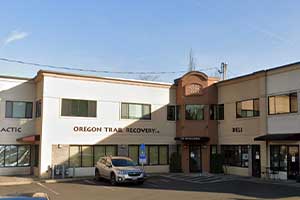
Oregon Trail Recovery provides a number of drug and alcohol treatment programs specialized to gender. Each of these programs serves adults in the area of Portland, Oregon, and offers a large number of treatment approaches. These include 12-step programs, individual counseling, group therapy, cognitive-behavioral therapy, dialectical behavioral therapy, family therapy, life skills development, and more. They also provide spiritual support and meditation mindfulness programs.
726 West Burnside Street Portland, OR. 97209 503-944-4410
Phone:503-944-4410
Central City Concern (CCC) is a 501(c)(3) non-profit agency serving adults and families in the Portland metro area who are impacted by poverty, substance use, and being unhoused. CCC utilizes an integrated approach to their services that addresses the whole person and their unique, individual needs.
CCC Recovery Center offers compassionate outpatient, and intensive outpatient, treatment for substance use disorders. Patients are provided with an individualized treatment plan that includes medication-supported recovery using buprenorphine, individual counseling, peer support & mentoring, gender-specific group counseling, experiential therapies, and coordination with community agencies for supportive services.
9735 SW Shady Lane Portland, OR. 97223 877-522-1275
Phone:877-522-1275
Ideal Option Tigard provides medication-assisted treatment to individuals suffering from addiction to opiates, alcohol, and other substances in the broader Portland area. As part of the national network of Ideal Option clinics, this office-based approach to treatment utilizes Suboxone and Vivitrol, among other medications, to support patients' recoveries. As an outpatient treatment program, Ideal Option Tigard does not require overnight stays and minimizes wait times for treatment. The program also utilizes broad insurance acceptance, acceptance of Medicare and Medicaid, and financial assistance to make treatment financially achievable for patients.
11126 NE Halsey Street Portland, OR. 97220 503-516-4808
Phone:503-516-4808
Sunrise Counseling in Portland is a private rehabilitation center specializing in the treatment of opioid addiction, substance abuse, and alcohol dependence. Treatment approaches include a 12-step program for alcohol addiction, detox, medication management, and counseling for those who suffer from opioid addictions, and individual and group therapy for those suffering from dependence on other substances. In order to make treatment more affordable, the center offers its fees on a sliding scale and offers financial aid to needy patients.
Modus Vivendi is a substance abuse treatment center in Portland, Oregon. They offer a variety of outpatient services, including intensive and regular program schedules. Their array of treatment options includes cognitive behavioral therapy, counseling, and rational emotive behavioral therapy. Their acceptance of federal and state insurance plans and their use of a sliding scale for fees make it easier for financially needy individuals to access their services.
16420 SE Division Street Portland, OR. 97236 503-762-3130
Phone:503-762-3130
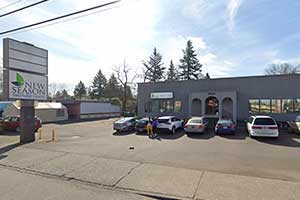
The Portland Metro Treatment Center, part of New Season's nationwide network of recovery centers, offers opioid addiction treatment in the Portland area. Their outpatient treatment services include the following: Medication-assisted treatment; individual, group, and family counseling, medically supervised withdrawal, medical exams, and referrals. Their MAT program includes buprenorphine, methadone and Suboxone. Their services are provided on a confidential basis, and are made more affordable through the acceptance of insurance programs such as Medicaid and Medicare.
The chemical dependency services at Providence Saint Vincent Medical Center offers holistic addiction treatment to individuals within the area of Portland. They offer a full continuum of care that includes detox, inpatient rehab, partial hospitalization, and intensive outpatient programs. In addition, these services include assessments and mental health support, alongside specialized services for the elderly. Services are available by referral, but patients, family, and medical personnel may refer, making the program more widely available to those who need it.
4713 North Albina Avenue Portland, OR. 97217 503-850-2474
Phone:503-850-2474
Tree House Recovery PDX is an addiction treatment program for men in the area of Portland, Oregon. It focuses on an 8-part treatment program that consists primarily of evidence-based models of therapy. Treatment approaches involved in their program include the following: Fitness therapy, ABI therapy, EP yoga therapy, a Recovery in Action program, addiction education, process groups, 1-on-1 therapy, and writing therapy. Tree House Recovery approaches treatment as a collaborative, team effort between licensed professionals and the patients who come for treatment.
The opiate treatment program within the VA Portland healthcare system provides treatment and support for veterans who suffer from dependence on opiates of many kinds. As part of a broader set of mental health and physical health services offered at this Portland location, the clinic can address everything from addiction and depression to schizophrenia and PTSD. The clinic is open Monday through Friday, but does not offer emergency services at this location. Referrals are required, but walk-in appointments are available.
2600 SE Belmont Street Portland, OR. 97214 503-239-5738
Phone:503-239-5738
Belmont Comprehensive Treatment Center provides medication-assisted treatment (MAT) and counseling services for adults ages 18 and older of all genders who are currently struggling with opioid use disorder. The center uses Suboxone, buprenorphine, naltrexone, and methadone medications to reduce withdrawal symptoms and help eliminate opioid cravings. Each patient consults with a healthcare provider and creates a personalized treatment plan that consists of a regimen for medication in combination with individual and group counseling sessions. This comprehensive treatment approach allows the patient to regain physical strength and mental clarity while making the lifestyle changes necessary for long-term recovery.
10600 SE McLoughlin Boulevard Portland, OR. 97222 855-770-0577
Phone:855-770-0577
Pacific Crest Trail Detox is a medically supervised detox program in the area of Portland. The program utilizes both medication and clinical approaches such as counseling to assist patients in taking the first step to overcoming their substance abuse issues. In addition, this facility offers an intensive, 3-6 month outpatient treatment program that utilizes group activities, individual therapy, and other approaches to support patients' transition to daily, sober living. They are part of Oregon Trail Recovery's group of addiction recovery programs.
17645 NW Saint Helens Highway Portland, OR. 97231 503-621-1069
Phone:503-621-1069
Founded in 1970 in Portland, Oregon, the Native American Rehabilitation Association of the Northwest, Inc. is an Indian-owned, Indian-operated, non-profit agency. Originally an outpatient substance abuse treatment center, NARA now operates a residential family treatment center, an outpatient treatment center, a child and family services center, a primary health care clinic, several adult mental health locations, a wellness center, and transitional housing for Native women and children. All services are centered on the family as it is NARA's philosophy that, without the family circle there will be no future.
Fair Start has been providing ongoing addiction care and rehabilitation services to residents of the Portland area. Today, Fair Start provides services like substance abuse counseling approach, anger management, rational emotive behavioral therapy, behavior modification, vocational rehabilitation services, dialectical behavior therapy and others in keeping with its philosophy of following rehabilitation treatments that work best to help clients achieve sobriety.
This drug and alcohol rehab center also believes that individual care for each client is the best way to provide them with the best form of treatment. Services are available in the following settings - short term treatment facilities, long term rehabs, outpatient hospital programs, inpatient drug and alcohol rehab facilities, inpatient detox centers and others.
For long term abstinence, sobriety and full recovery Fair Start offers an aftercare program. Lastly, Fair Start accepts private health insurance, cash or self-payment, sliding fee scale, payment assistance, state corrections or juvenile justice funds, state welfare or child and family services funds and others as forms of payment.
2545 NE Flanders Street Portland, OR. 97232 503-235-3546
Phone:503-235-3546
Central City Concern's Letty Owings Center makes substance abuse treatment available to pregnant women and mothers of young children. This program offers a safe environment where patients live with their children while pursuing sobriety. Open to expecting women and mothers of children under the age of 6, the center provides counseling, peer support, medication management, birth planning, case management, and other services to support patients' long-term recovery. They also provide childcare for patients and assist them with finding appropriate outpatient programs once they leave residential treatment.
Astrue & Associates provides the services of licensed mental health and addiction specialists to provide individual, family, and group therapy. They offer both in-person and virtual appointments and are equipped to address both behavioral health and addiction issues among patients.
1316 SE 12th Avenue Portland, OR. 97214 503-897-1916
Portland Sober Living Company has been offering ongoing addiction treatment and rehab services to the residents of Portland, OR. and those living within the surrounding communities. Today, Portland Sober Living Company provides services like substance abuse counseling approach, anger management, rational emotive behavioral therapy, behavior modification, vocational rehabilitation services, dialectical behavior therapy and others in keeping with its belief of following rehab treatments that work best to help clients achieve recovery.
This drug and alcohol rehab center also believes the best form of treatment to ensure success is to offer individualized care. Services are available in the following settings - short term addiction treatment facilities, long term drug and alcohol rehab centers, outpatient substance abuse treatment services, inpatient treatment centers, inpatient detox facilities and others.
For long term abstinence, sobriety and full recovery Portland Sober Living Company offers an aftercare program. Lastly, Portland Sober Living Company accepts private health insurance, private pay, sliding fee scale, payment assistance, state corrections or juvenile justice funds, state welfare or child and family services funds and others as payment forms.
3945 SE Hawthorne Boulevard Portland, OR. 97214 503-719-5250
Phone:503-719-5250
Teras Interventions and Counseling is a grassroots 501(c)(3) non-profit organization that seeks to promote several facets of social justice through a variety of accessible, affordable, culturally-informed counseling and social services to the people of Multnomah County and beyond. Teras offers outpatient substance use disorder, domestic violence intervention, and anger management programs that are state approved to meet all court requirements for DUII, probation, and other forms of court mandated treatment. Throughout the program, safety for adults and children who have been abused or are at risk of being abused is the highest concern of the organization.
2318 NE Martin Luther King Jr Blvd Portland, OR. 97212 503-335-8611
Phone:503-335-8611
Volunteers of America of Oregon is a 501(c)(3) non-profit, faith-based organization that provides comprehensive human services, and specializes in family safety, substance use, behavioral health, and reentry from the criminal justice system.
VOA's Men's Residential Center (MRC) is a 52-bed substance use treatment facility for men referred by the Multnomah County criminal justice system. The program consists of six months of intensive, tighty-structured treatment where patients participate in therapy sessions and education on prosocial living skills. After recovery, patients are offered six months of nonresidential care at the center that provides them with access to aftercare services.
Outside In is an independent 501(c)(3) non-profit organization and Federally-Qualified Health Center that provides a full range of health services for youth and adults of all ages in the Portland community. All programs through Outside In utilize a strengths-based approach to care that centers the patient and meets them wherever they are in life.
Outside In Clinics offer routine primary care, disease management, HIV/STI testing, case management, reproductive health care, housing services, educational services, mental health & substance use treatment, and job training. Specialized services available include an on-site pharmacy, needle exchange programs, LGBTQIA+ programs, and tattoo removals.
Find Drug and Alcohol Treatment Centers in or around the following Oregon cities:
Commonly Asked Questions about Addiction and Treatment
Why are lgbtq+ individuals at higher risk for drug and alcohol abuse?
LGBTQ+ (lesbian, gay, bisexual, transgender, queer, and others) individuals are indeed at a higher risk for drug and alcohol abuse due to a variety of factors that often intersect and compound over time. These factors primarily relate to the stress and challenges associated with living as a marginalized group in many societies. Here are some of the main factors:
Minority Stress: This term refers to the chronic stress faced by individuals belonging to a stigmatized minority group. For LGBTQ+ individuals, this can stem from societal prejudice, discrimination, and violence related to their sexual orientation or gender identity. Such stressors can contribute to increased substance use as a coping mechanism.
Stigma and Discrimination: Experiences of rejection, exclusion, and maltreatment can increase feelings of anxiety and depression, which are associated with higher substance use rates. This can occur in various settings, including workplaces, schools, and even within families and social networks.
Internalized Negative Self-Perceptions: LGBTQ+ individuals may internalize societal biases and develop negative self-perceptions about their identity, leading to feelings of guilt, shame, and low self-esteem. These feelings can contribute to the misuse of substances as a form of self-medication.
Lack of Inclusive Healthcare: Many healthcare systems lack the resources or training to provide culturally competent care to LGBTQ+ individuals. This can make it difficult for these individuals to seek help or access effective treatment for substance use disorders.
Social Isolation: Feelings of isolation, which can be the result of rejection or non-acceptance by family, friends, or society, can increase the risk of substance use and misuse.
Intersectional Identity Stressors: LGBTQ+ individuals who also belong to other marginalized groups (like racial or ethnic minorities) may face additional stressors that can increase the risk of substance abuse.
What is a typical day like in an inpatient drug rehab?
Inpatient drug rehab provides a structured environment for individuals recovering from substance use disorders. The specific details of a typical day can vary between facilities, but most will follow a general schedule that includes therapeutic activities, meals, free time, and sleep. Here's a rough outline of what a day in an inpatient rehab might look like:
Morning:
Wake Up: Residents typically wake up early to start their day. Some facilities may offer morning activities like yoga or meditation to help residents start their day in a calm and mindful way.
Breakfast: A healthy meal is provided to start the day. This is also a time for social interaction with other residents.
Group Therapy or Counseling: After breakfast, residents often participate in a group therapy session. This could be a general therapy session or a specific type of therapy such as Cognitive Behavioral Therapy (CBT) or Dialectical Behavior Therapy (DBT).
Afternoon:
Lunch: After morning therapy sessions, residents will have lunch, often followed by a short break.
Therapies: The afternoon is typically filled with various therapeutic activities. These could include individual counseling, specialized therapies (like art or music therapy), or educational sessions about addiction and recovery.
Evening:
Dinner: In the evening, residents will have dinner, which, like all meals in rehab, is typically designed to promote overall health and wellness.
Evening Group Session: Many rehab centers host an evening group session, which might be a support group, a 12-step meeting, or another form of group therapy.
Free Time: After the day's structured activities, residents usually have some free time. They might use this time to relax, read, journal, or socialize with other residents.
Bedtime: To ensure adequate rest, lights-out times are typically enforced.
Throughout the day, residents may also have scheduled times for medication (if applicable), physical exercise, and meeting with their treatment team. The goal of this structured daily routine is to provide a stable, supportive environment that promotes healing and recovery.
It's important to note that the exact schedule and types of activities will vary between different rehab centers and individual treatment plans. When choosing a rehab center, it can be helpful to ask about the daily schedule and types of therapies offered to ensure it aligns with your needs and preferences.
Can a drug addict change?
Yes, a person struggling with drug addiction can certainly change. It's important to understand that addiction is a chronic, but treatable, disease. Like other chronic diseases, it's not about a "cure" but about managing the condition effectively.
Overcoming addiction typically involves a combination of self-awareness, willingness to change, support, and professional treatment. A key part of the process is the individual's motivation to improve their life and overcome their dependency on substances.
However, recovery from addiction often involves setbacks and challenges. The process can be difficult and time-consuming, requiring substantial personal commitment and support from others. Professional treatment can take several forms, including detoxification, medication-assisted therapy, counseling, and support groups.
Many people who were once addicted to drugs have gone on to live productive, healthy, and fulfilling lives. The journey to recovery is often a lifelong process of maintaining sobriety and managing triggers and cravings.
While change is indeed possible for someone struggling with addiction, it is typically a complex process requiring substantial effort, support, and treatment.
National Non Profit Helpline - 1-877-882-9275 Our National Non Profit Helpline is a 24/7, 365-day-a-year treatment referral and information service for individuals and families faced with mental and/or substance use disorders.
All calls are strictly confidential
Our service provides referrals to licensed treatment facilities, support groups, and community-based organizations. You don't have to struggle alone with addiction. Help is just a phone call away. Call 1-877-882-9275 now to get the help you need and deserve.