Alcohol and Drug Rehab Programs in Wake Forest, NC
Wake Forest, NC has nearby treatment options including: 4 low cost programs, 0 inpatient rehab, 3 drug rehabs that take PPO insurance like Blue Cross Blue Shield, 3 drug detox, 4 outpatient treatment programs.
Get Help - Find a Rehab Center Today
Popular Searches for Drug and Alcohol Rehab in Wake Forest, North Carolina:
Skip To Rehab Listing
Treatment Facility Settings and Treatment Modalities
Wake Forest's numerous treatment centers, some of which are laid out below, handle an issue that is widespread in cities throughout the United States: alcohol and drug abuse. These rehabs fight this adversity locally by providing sites and resources that are suitable for patients within the area. These settings can include: outpatient hospital programs, outpatient detox centers, long term drug rehab centers, inpatient drug rehab facilities, short term treatment centers.
Addiction treatment programs adopt a number of approaches, ranging from long-established approaches to newer approaches such as: dialectical behavior therapy, contingency management/motivational incentive, couple/family therapy, rational emotive behavioral therapy, brief intervention approach, cognitive/behavior therapy. The outcome is a variety of resources that clear the path to achievable sustained recovery for many clients.
Special Programs for Addiction Offered by Treatment Centers
Individuals struggling with substance abuse often require customized assistance to get their lives back. That is why drug and alcohol rehabs in Wake Forest provide specialized resources that help patients within their personal circumstances. Some of these services are listed here: persons with eating disorders, persons who have experienced sexual abuse, legal advocacy, clients with HIV/AIDS, social skills development, aftercare/continuing care.
Treatment Payment Options in Wake Forest, NC.
Clients are faced with differing economic conditions, which is the reason substance abuse rehab centers offer multiple payment alternatives, including: cash or self-payment, private insurance, sliding fee scale, military insurance, access to recovery (atr) voucher, state education funds.
Payment should never be an obstacle to substance abuse recovery. Rehab centers direct patients toward the payment alternatives that support their individual economic needs.
With a variety of centers, programs, resources, approaches and payment alternatives, Wake Forest provides clients several alternatives when it comes to seeking treatment from substance abuse.
Dr. Gina M Jansheski, M.D.

Dr. Po-Chang Hsu, M.D., M.S.

Renee Warmbrodt, RN, MSN, CPNP-PC

Substance Abuse Treatment Facilities Serving the Wake Forest, North Carolina Area:
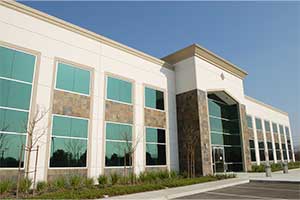 839 Durham Road
Wake Forest, NC. 27587
919-883-2108
Sol Medical Group has been providing addiction care and rehab services to the residents of Wake Forest, NC. and those living within the surrounding communities. Today, Sol Medical Group provides services like dialectical behavior therapy, contingency management/motivational incentive, couple/family therapy, rational emotive behavioral therapy, brief intervention approach, cognitive/behavior therapy and others in keeping with its philosophy of following rehabilitation treatments that work best to help addicts achieve sobriety.
This alcohol and drug treatment program also thinks that the way to get the best result for the client is to offer individual care. Services are available in the following settings - outpatient counseling, detoxification facilities, long term rehab facilities, inpatient drug and alcohol rehab facilities, short term drug and alcohol rehabs and others.
It also believes that an aftercare program is integral in promoting recovery in the long term. Lastly, Sol Medical Group accepts private pay, private medical insurance, sliding fee scale, military insurance, access to recovery (atr) voucher, state education funds and others as payment forms.
Collegial Behavioral Health

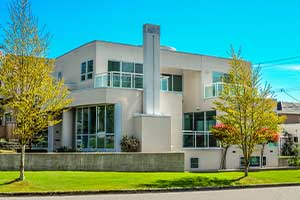 12740 Spruce Tree Way
Raleigh, NC. 27614
919-916-1160
Collegial Behavioral Health is 2.7 miles from Wake Forest, North Carolina
Collegial Behavioral Health has been providing ongoing addiction treatment and rehab services to people who live in the Wake Forest, North Carolina area. Today, Collegial Behavioral Health provides services like dialectical behavior therapy, contingency management/motivational incentive, couple/family therapy, rational emotive behavioral therapy, brief intervention approach, cognitive/behavior therapy and others in keeping with its belief of following rehab treatments that work best to help clients achieve recovery.
This alcohol and drug rehabilitation program also believes that individual care for each client is the best way to provide them with the best form of treatment. Services are available in the following settings - outpatient substance abuse counseling, detoxification centers, long term drug and alcohol rehab programs, inpatient rehab programs, short term drug abuse treatment and others.
It also believes that an aftercare program is integral in promoting recovery in the long term. Lastly, Collegial Behavioral Health accepts cash or self-payment, private health insurance, sliding fee scale, military insurance, access to recovery (atr) voucher, state education funds and others as forms of payment.
Morse Clinic of North Raleigh
 3209 Gresham Lake Road
Raleigh, NC. 27615
919-977-5993
Morse Clinic of North Raleigh is 6.7 miles from Wake Forest, NC
Morse Clinic of North Raleigh has been providing ongoing recovery treatment and rehab services to the residents of Wake Forest, NC. and those living within the surrounding communities. Today, Morse Clinic of North Raleigh offers services like dialectical behavior therapy, contingency management/motivational incentive, couple/family therapy, rational emotive behavioral therapy, brief intervention approach, cognitive/behavior therapy and others in keeping with its philosophy of following rehabilitation treatments that work best to help addicts achieve recovery.
This drug and alcohol treatment facility also believes the best form of treatment to ensure success is to offer individualized care. Services are available in the following settings - outpatient substance abuse treatment services, outpatient detox centers, long term treatment facilities, inpatient drug rehab facilities, short term drug and alcohol rehabs and others.
It also believes that an aftercare program is integral in promoting recovery in the long term. Lastly, Morse Clinic of North Raleigh accepts cash or self-payment, private health insurance, sliding fee scale, military insurance, access to recovery (atr) voucher, state education funds and others as forms of payment.
Welwynn Outpatient Center
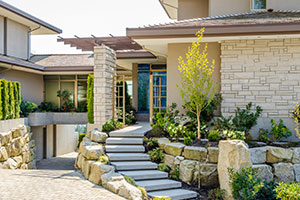 7200 Falls of Neuse Road
Raleigh, NC. 27615
984-200-2780
Welwynn Outpatient Center is 7.9 miles from Wake Forest, NC
Welwynn Outpatient Center has been providing ongoing recovery care and rehabilitation services to the residents of Wake Forest, NC. and those living within the surrounding communities. Today, Welwynn Outpatient Center provides services like dialectical behavior therapy, contingency management/motivational incentive, couple/family therapy, rational emotive behavioral therapy, brief intervention approach, cognitive/behavior therapy and others in line with its philosophy of following rehab treatments that work best to help addicts achieve sobriety.
This alcohol and drug rehab facility also believes that individual care for each client is the best way to provide them with the best form of treatment. Services are available in the following settings - outpatient day treatment, outpatient detox programs, long term drug and alcohol rehab centers, inpatient treatment facilities, short term drug treatment and others.
For long term abstinence, sobriety and full recovery Welwynn Outpatient Center offers an aftercare program. Lastly, Welwynn Outpatient Center accepts cash or self-payment, private health insurance, sliding fee scale, military insurance, access to recovery (atr) voucher, state education funds and others as payment forms.
Find Drug and Alcohol Treatment Centers in or around the following North Carolina cities:
Top Cities For Recovery:
Commonly Asked Questions about Addiction and Treatment
Can family members visit me if I go into a drug rehab program?
Yes, in many cases, family members can visit you if you go into a drug rehab program, but the specific policies regarding visitation can vary greatly from one facility to another. Here are some general points to consider:
- Initial Period of Adjustment: Many rehab programs have a period of adjustment when you first enter treatment during which visitors may not be allowed. This period allows you to focus on your recovery without external distractions.
- Scheduled Visitation Times: Most inpatient rehab centers have specific visitation hours or designated visitation days. It's essential to check with the specific facility to understand their policies.
- Family Therapy Sessions: Many rehab programs include family therapy as part of the treatment process. These sessions can be an opportunity for family members to engage in the recovery process and understand more about addiction and how to support their loved one in recovery.
- Rules and Regulations: Rehab facilities usually have rules and regulations for visitors to ensure the safety and well-being of all patients. For example, visitors may be asked not to bring certain items into the facility, like substances that could be misused or trigger cravings.
- COVID-19 Considerations: Due to the ongoing COVID-19 pandemic, some facilities may have restricted visitation policies to protect the health of their patients and staff. Be sure to inquire about any such restrictions.
Please note that the information provided here is general, and it's important to consult with the specific rehab facility you or your loved one are considering for accurate and up-to-date information about their visitation policies.
If a drug abuser loved their family wouldn't they stop?
Substance Use Disorder, commonly known as addiction, is a complex disease that affects the brain and behavior. It's important to understand that addiction is not a matter of willpower or moral strength, and it doesn't reflect an individual's love or lack of love for their family. Here's why a person struggling with addiction might not simply stop, even if they deeply care for their family:
Altered Brain Function: Drugs can alter the brain's structure and function, especially in areas related to reward, judgment, decision-making, learning, and memory. This can lead to intense cravings and a compulsive desire to use drugs, despite knowing the harm they're causing.
Physical Dependence: Regular use of certain drugs can lead to physical dependence, where the body needs the drug to function normally. Stopping the drug can cause uncomfortable or even dangerous withdrawal symptoms, which can make quitting extremely difficult without medical help.
Psychological Dependence: Some individuals use drugs to cope with stress, trauma, or mental health disorders. These individuals may feel they cannot function or feel normal without the substance, and overcoming this psychological dependence can be challenging.
Fear of Withdrawal: Fear of the withdrawal process, which can be physically and emotionally painful, can deter individuals from quitting, even if they want to stop for their loved ones.
Denial: Many people struggling with addiction are in denial about the extent of their problem. They may not realize or admit how much their substance use is hurting themselves and their family.
Loving someone, even deeply, does not automatically grant the ability to overcome addiction. Recovery often requires professional help and involves more than just the decision to stop using drugs. It includes learning new coping skills, addressing underlying issues that may contribute to the addiction, and receiving ongoing support. With proper treatment and support, many people are able to recover from addiction and rebuild their relationships with their loved ones.
How can I get a person help that is addicted to drugs?
Educate yourself: Learn about drug addiction, its causes, symptoms, and treatment options. Understanding the complexities of addiction will help you better empathize with the person and offer informed support.
-
Approach with compassion: Initiate a conversation about their drug use in a non-confrontational, empathetic, and non-judgmental manner. Express your concerns about the impact of their drug use on their well-being and the potential consequences.
-
Encourage professional help: Encourage the person to seek professional assistance from a medical professional, therapist, or addiction counselor. Offer to help them find suitable resources and provide support as they take steps towards treatment. It's important to remember that professional help is often crucial for successful recovery from addiction.
-
Offer emotional support: Be available to listen and provide emotional support throughout the recovery process. Maintain open communication and offer a safe space for the individual to share their experiences and feelings.
-
Suggest support groups: Recommend joining support groups such as Narcotics Anonymous (NA), Alcoholics Anonymous (AA), or SMART Recovery, which provide a community of individuals with similar experiences and offer guidance and encouragement throughout the recovery process.
-
Set boundaries: Establish clear boundaries to protect your own well-being and communicate your expectations about the person's behavior. Be firm yet compassionate, making it clear that you will not enable their drug use.
-
Assist with lifestyle changes: Help the person develop healthier habits, such as engaging in physical activity, improving their diet, and finding alternative ways to manage stress. Offer to participate in these activities together to provide additional support and motivation.
-
Be patient: Recovery from drug addiction is a long-term process, and relapses may occur. Understand that setbacks are part of the journey, and continue to offer support and encouragement as the person works towards sobriety.
-
Care for yourself: Supporting someone with drug addiction can be emotionally taxing. Ensure you are taking care of your own mental and emotional health by seeking support from friends, family, or professional counselors if needed.
National Non Profit Helpline - 1-877-882-9275
Our National Non Profit Helpline is a 24/7, 365-day-a-year treatment referral and information service for individuals and families faced with mental and/or substance use disorders.
All calls are strictly confidential
Our service provides referrals to licensed treatment facilities, support groups, and community-based organizations. You don't have to struggle alone with addiction. Help is just a phone call away. Call 1-877-882-9275 now to get the help you need and deserve.
1-877-882-9275




