
750 U.S. Highway 64 West
Murphy, NC. 28906
828-837-0071
Murphy, NC has nearby choices for addiction treatment including: 2 medicare treatment centers, 0 inpatient treatment center, 1 drug rehab that takes PPO insurance like Cigna, 1 drug detox, 4 outpatient treatment programs.

For help finding an addiction treatment center, Call us!
All calls are 100% confidential and free
1-877-882-9275






BayMark Hlth Servs of North Carolina is 11.6 miles from Murphy, NC
BayMark Hlth Servs of North Carolina is committed to assisting the community of Murphy and the surrounding areas to getting their sobriety back after battling with alcohol and drug addiction. Because of this, BayMark Hlth Servs of North Carolina offers a wide array of services in line with their philosophy of treatments that work - including long term drug rehab programs, inpatient rehabs, short term treatment facilities, outpatient substance abuse treatment services, detox centers and others.
BayMark Hlth Servs of North Carolina also feels that it is of the upmost importance that every individual client gets uniquely tailored treatment to ensure their recovery. This is why it is specialized in a wide variety of treatment methods, including activity therapy, 12-step facilitation approach, matrix model, behavior modification, group therapy, cognitive/behavior therapy and others. In addition, BayMark Hlth Servs of North Carolina is specialized in aftercare/continuing care, social skills development, treatment for spanish-speaking clients, self-help groups, residential beds for client's children, transgender or (LGBT) clients, as well as other special programs. In general, the treatment services that this substance abuse treatment center uses aims to provide positive and lasting change for each individual.
Lastly, BayMark Hlth Servs of North Carolina accepts cash or self-payment, private medical insurance, sliding fee scale, payment assistance, state welfare or child and family services funds, county or local government funds and more.

Avita Community Partners is 19.6 miles from Murphy, NC
Avita Community Partners is dedicated to helping the residents of Murphy, North Carolina and the surrounding areas to getting their sobriety back after battling with alcohol and drug addiction. Avita Community Partners provides a wide array of services in line with their philosophy of treatments that work - including long term drug rehab facilities, inpatient drug and alcohol rehab centers, short term addiction treatment programs, outpatient substance abuse counseling, detox programs and others.
Avita Community Partners also feels that it is of the upmost importance that every individual gets highly personalized services to ensure their recovery. This is why it is specialized in a wide variety of treatment methods, including activity therapy, 12-step facilitation approach, matrix model, behavior modification, group therapy, cognitive/behavior therapy and others. Additionally, Avita Community Partners is specialized in aftercare/continuing care, social skills development, treatment for spanish-speaking clients, self-help groups, residential beds for client's children, transgender or (LGBT) clients, as well as other special programs. In general, the treatment services that this alcohol and drug rehab facility uses aims to provide positive and lasting change for each individual.
Lastly, Avita Community Partners accepts private pay, private medical insurance, sliding fee scale, payment assistance, state welfare or child and family services funds, county or local government funds and more.
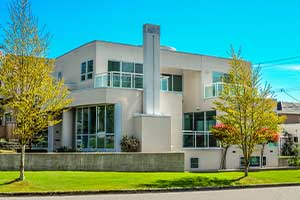
New Hope Counseling of Blairsville is 19.6 miles from Murphy, NC
New Hope Counseling of Blairsville is devoted to helping the residents of Murphy, NC. and the surrounding areas to find full recovery after a period of struggling with drug and alcohol addiction. Because of this, New Hope Counseling of Blairsville administers a wide array of services in line with their belief of treatments that work - including long term treatment centers, inpatient drug rehab centers, short term treatment centers, outpatient individual counseling, detox programs and others.
New Hope Counseling of Blairsville also feels that it is important that every person gets highly personalized services to ensure their recovery. This is why it is specialized in a wide variety of treatment methods, including activity therapy, 12-step facilitation approach, matrix model, behavior modification, group therapy, cognitive/behavior therapy and others. In addition, New Hope Counseling of Blairsville is specialized in aftercare/continuing care, social skills development, treatment for spanish-speaking clients, self-help groups, residential beds for client's children, transgender or (LGBT) clients, as well as other special programs. In general, the treatment methods that this drug and alcohol rehab facility uses aims to provide positive and lasting change for each individual.
Lastly, New Hope Counseling of Blairsville accepts private pay, private medical insurance, sliding fee scale, payment assistance, state welfare or child and family services funds, county or local government funds and more.
Deciding on the right form of treatment for drug addiction is a highly personal decision, and it depends on a variety of factors. Here are some key considerations to help you determine if long-term drug rehab might be the right choice for you:
Remember, this decision should be made in consultation with healthcare professionals, such as a primary care physician, a psychiatrist, or an addiction specialist. They can provide an assessment of your situation and offer professional recommendations based on your specific needs and circumstances.
Drug withdrawal is a complex process that can feel different for everyone, depending largely on the type of substance involved, the duration and intensity of use, and individual factors like overall health and genetic predisposition. However, some general experiences and symptoms are often associated with the withdrawal process:
Physical Symptoms: Many people experience physical discomfort or illness during withdrawal. Depending on the substance, this can range from flu-like symptoms (such as fever, chills, sweating, muscle aches, and fatigue) to more severe symptoms like seizures or hallucinations. Opioid withdrawal, for example, is often compared to a severe flu, while alcohol withdrawal can be life-threatening in severe cases.
Psychological Symptoms: Withdrawal can also involve psychological symptoms like anxiety, depression, mood swings, irritability, difficulty concentrating, and cravings for the substance. These can be just as challenging, if not more so, than the physical symptoms.
Sleep Disturbances: Insomnia is a common symptom of withdrawal from many substances, while vivid or disturbing dreams may occur when withdrawing from others.
Discomfort and Distress: Generally, withdrawal can be a very uncomfortable and distressing process. The body has become used to the presence of the substance, and it can react strongly when the substance is no longer available.
Cravings: One of the most challenging aspects of withdrawal for many people is the intense cravings for the substance. These cravings can be both physical and psychological, and they can be triggered by various factors, including stress, people, places, or things associated with substance use.
National Non Profit Helpline - 1-877-882-9275
Our National Non Profit Helpline is a 24/7, 365-day-a-year treatment referral and information service for individuals and families faced with mental and/or substance use disorders.
All calls are strictly confidential
Our service provides referrals to licensed treatment facilities, support groups, and community-based organizations. You don't have to struggle alone with addiction. Help is just a phone call away. Call 1-877-882-9275 now to get the help you need and deserve.



© Copyright 1998 - 2022 All Rights Reserved. Content is protected under copyright laws, do not use content without written permission.
