
999 Brush Hollow Road
Westbury, NY. 11590
516-997-2926 x229
Westbury, NY has several nearby treatment choices including: 5 low cost programs, 0 inpatient treatment center, 2 drug rehabs that take private insurance like UnitedHealthCare, 0 detox center, 3 outpatient rehabs.

For help finding an addiction treatment center, Call us!
All calls are 100% confidential and free
1-877-882-9275





Nassau Cnty Dept/Drug/Alc Addiction is 2.2 miles from Westbury, New York
Nassau Cnty Dept/Drug/Alc Addiction has been providing addiction care and rehab services to residents of the Westbury, New York area. Today, Nassau Cnty Dept/Drug/Alc Addiction provides services like anger management, substance abuse counseling approach, matrix model, relapse prevention, dual diagnosis drug rehab, brief intervention approach and others in keeping with its philosophy of following rehabilitation treatments that work best to help addicts achieve recovery.
This addiction treatment facility also believes that individual care for each client is the best way to provide them with the best form of treatment. Services are available in the following settings - short term drug and alcohol rehab programs, inpatient drug rehab facilities, inpatient detox programs, outpatient substance abuse treatment services, long term drug rehab facilities and others.
It also believes that an aftercare program is integral in promoting recovery in the long term. Lastly, Nassau Cnty Dept/Drug/Alc Addiction accepts private health insurance, cash or self-payment, payment assistance, sliding fee scale, other state funds, state welfare or child and family services funds and others as forms of payment.

Nassau County Office of MH CD and is 2.2 miles from Westbury, New York
Nassau County Office of MH CD and has been providing recovery care and rehabilitation services to residents of the Westbury, New York area. Today, Nassau County Office of MH CD and offers services like anger management, substance abuse counseling approach, matrix model, relapse prevention, dual diagnosis drug rehab, brief intervention approach and others in line with its philosophy of following rehab treatments that work best to help addicts achieve recovery.
This alcohol and drug rehab also believes the best form of treatment to ensure success is to offer individualized care. Services are available in the following settings - short term drug addiction treatment, inpatient treatment facilities, inpatient detox facilities, outpatient day treatment, long term drug rehab programs and others.
It also believes that an aftercare program is integral in promoting recovery in the long term. Lastly, Nassau County Office of MH CD and accepts private health insurance, private pay, payment assistance, sliding fee scale, other state funds, state welfare or child and family services funds and others as payment forms.
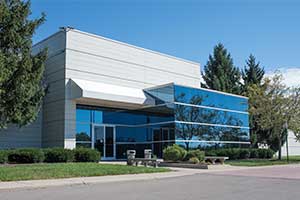
Nassau University Medical Center is 2.2 miles from Westbury, NY
"Drug rehabilitation, also known as drug rehab, is a comprehensive process aimed at helping individuals overcome substance use disorders and achieve long-term recovery. The process of drug rehabilitation typically involves several stages and components, which may vary depending on the individual's unique needs, the type of addiction, and the chosen treatment facility. The following is an overview of the general process of drug rehabilitation:
Assessment and evaluation: The first step in drug rehab is a thorough assessment and evaluation of the individual's physical, psychological, and social circumstances. This information helps healthcare professionals determine the severity of the addiction, identify any co-occurring mental health disorders, and develop a personalized treatment plan tailored to the individual's needs.
Detoxification: Detoxification, or detox, is the process of clearing drugs and toxins from the body. Depending on the substance and severity of the addiction, detox may be medically supervised to manage withdrawal symptoms safely and alleviate discomfort. In some cases, medications may be prescribed to ease withdrawal symptoms and prevent complications.
Therapy and counseling: Once the individual is stabilized, they will participate in various forms of therapy and counseling to address the psychological and emotional aspects of addiction. These may include individual, group, or family therapy sessions, and utilize evidence-based approaches such as Cognitive Behavioral Therapy (CBT), Dialectical Behavior Therapy (DBT), or Motivational Interviewing (MI) to help individuals understand the underlying factors contributing to their addiction and develop healthy coping strategies.
Medication management: In some cases, medications may be used during the rehabilitation process to manage withdrawal symptoms, reduce cravings, or treat co-occurring mental health disorders. Medication-Assisted Treatment (MAT) is an example of this, which combines medications with counseling and behavioral therapies to treat opioid or alcohol addiction.
Education and life skills training: Drug rehabilitation programs often include educational sessions and life skills training to help individuals understand the nature of addiction and develop essential skills for maintaining sobriety, such as stress management, communication, and decision-making.
Peer support and group therapy: Engaging in peer support groups, such as Alcoholics Anonymous (AA) or Narcotics Anonymous (NA), can provide valuable encouragement, understanding, and accountability during the recovery process. These groups often play a significant role in helping individuals maintain long-term sobriety.
Aftercare planning and follow-up: As the individual approaches the end of their rehabilitation program, a comprehensive aftercare plan is developed to support their transition back into daily life and prevent relapse. This plan may include ongoing therapy, support group meetings, sober living arrangements, or other resources to help maintain recovery.
Continuous support: Recovery from addiction is a lifelong process that requires ongoing effort and support. Maintaining connections with support groups, therapists, and other individuals in recovery can be crucial in sustaining long-term sobriety and managing potential relapses."
When addressing a family member's addiction to drugs, it is essential to approach the conversation with empathy, understanding, and a non-judgmental attitude. Here are some steps to consider when discussing this sensitive topic:
Yes, there are substance abuse rehabilitation facilities that cater specifically to the LGBTQ+ (lesbian, gay, bisexual, transgender, queer, and others) community. These specialized treatment centers recognize the unique challenges and stressors that LGBTQ+ individuals may face, which can contribute to and complicate recovery from substance use disorders.
These specialized LGBTQ+ rehabs offer a variety of services, including:
It's worth noting that while some individuals may prefer a LGBTQ+-specific rehab, others may feel comfortable in a more general rehab facility that offers LGBTQ+-inclusive services and staff training. The best choice depends on the individual's personal preferences and needs.
National Non Profit Helpline - 1-877-882-9275
Our National Non Profit Helpline is a 24/7, 365-day-a-year treatment referral and information service for individuals and families faced with mental and/or substance use disorders.
All calls are strictly confidential
Our service provides referrals to licensed treatment facilities, support groups, and community-based organizations. You don't have to struggle alone with addiction. Help is just a phone call away. Call 1-877-882-9275 now to get the help you need and deserve.



© Copyright 1998 - 2022 All Rights Reserved. Content is protected under copyright laws, do not use content without written permission.
