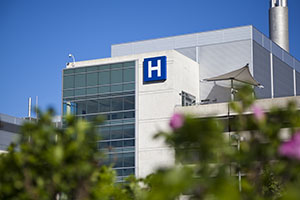
600 Franklin Street
Schenectady, NY. 12305
518-372-7031 x4707
Schenectady, NY has nearby choices for addiction treatment including: 1 medicare treatment center, 0 inpatient treatment center, 4 drug rehabs that take private insurance like Aetna, 1 detox center, 4 outpatient rehabs.

For help finding an addiction treatment center, Call us!
All calls are 100% confidential and free
1-877-882-9275You can now filter our treatment results to show you tailored rehab programs that fit your exact needs. Just choose the type of treatment you are looking for, a payment type such as private insurance or low cost, and any specialized treatment approach you are interested in. Click submit and we will provide a list of alcohol and drug rehab centers that match your criteria.




Saint Peters Hospital City of Albany has been offering recovery care and rehabilitation services to residents of the Schenectady area. Today, Saint Peters Hospital City of Albany provides services like motivational interviewing, cognitive/behavior therapy, vocational rehabilitation services, 12-step facilitation approach, matrix model, substance abuse counseling approach and others in keeping with its philosophy of following rehabilitation treatments that work best to help addicts achieve sobriety.
This substance abuse treatment center also believes that individual care for each client is the best way to provide them with the best form of treatment. Services are available in the following settings - detox programs, inpatient rehab programs, short term drug rehab centers, long term addiction treatment facilities, outpatient substance abuse treatment services and others.
For long term abstinence, sobriety and full recovery Saint Peters Hospital City of Albany offers an aftercare program. Lastly, Saint Peters Hospital City of Albany accepts cash or self-payment, private insurance, sliding fee scale, military insurance, state corrections or juvenile justice funds, state welfare or child and family services funds and others as forms of payment.



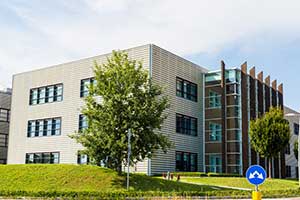
Saint Peters Addiction Recovery Center is 12.2 miles from Schenectady, NY
Saint Peters Addiction Recovery Center has been providing addiction care and rehab services to residents of the Schenectady area. Today, Saint Peters Addiction Recovery Center provides services like motivational interviewing, cognitive/behavior therapy, vocational rehabilitation services, 12-step facilitation approach, matrix model, substance abuse counseling approach and others in line with its belief of following rehabilitation treatments that work best to help people achieve recovery.
This drug and alcohol treatment facility also believes that individual care for each client is the best way to provide them with the best form of treatment. Services are available in the following settings - inpatient detox centers, inpatient drug rehab programs, short term drug and alcohol rehab facilities, long term drug rehab programs, intensive outpatient treatment and others.
For long term abstinence, sobriety and full recovery Saint Peters Addiction Recovery Center offers an aftercare program. Lastly, Saint Peters Addiction Recovery Center accepts cash or self-payment, private insurance, sliding fee scale, military insurance, state corrections or juvenile justice funds, state welfare or child and family services funds and others as forms of payment.
"The Cognitive Behavioral Method, or Cognitive Behavioral Therapy (CBT), is an evidence-based psychological approach for treating addiction that focuses on identifying and modifying dysfunctional thought patterns, beliefs, and behaviors that contribute to substance use disorders. CBT is grounded in the understanding that an individual's thoughts, feelings, and behaviors are interconnected, and by changing maladaptive thought patterns and behaviors, they can better manage their emotions and reduce their reliance on addictive substances.
CBT for addiction treatment typically involves the following key components:
CBT for addiction treatment can be delivered in individual, group, or family therapy settings and is often used in conjunction with other treatment modalities, such as medication-assisted treatment (MAT), peer support groups, or motivational interviewing. CBT has been found to be effective in treating various substance use disorders, including alcohol, opioid, and stimulant addiction, as well as co-occurring mental health disorders, such as anxiety and depression."
Fentanyl is a synthetic opioid pain reliever that is 50 to 100 times more potent than morphine. It's typically used to treat severe pain, especially after surgery, or to manage pain in individuals with chronic illnesses who have developed a tolerance to other opioids.
When used under medical supervision, fentanyl can effectively relieve pain. However, when used illicitly or without a prescription, it can have severe, and even fatal, effects. Here's what fentanyl can do to a person:
Physical Effects: In the short term, fentanyl can induce feelings of relaxation, euphoria, and decreased perception of pain. However, it also slows breathing and can lead to unconsciousness or death from respiratory failure, particularly in high doses or when combined with other substances that depress the central nervous system.
Dependency and Addiction: Fentanyl is highly addictive. Regular use can lead to physical dependence, where the body requires the drug to function normally, and psychological addiction, where a person feels a compulsive need to use the drug despite its harmful consequences.
Overdose Risk: Due to its potency, the risk of overdose with fentanyl is high, especially if a person mistakenly believes they're taking a less potent opioid, as illicit fentanyl is often mixed with other drugs. Overdose can lead to severe respiratory depression, unconsciousness, and death.
Withdrawal: Once a person becomes dependent on fentanyl, stopping its use can result in withdrawal symptoms. These can include muscle and bone pain, sleep problems, diarrhea, vomiting, cold flashes, and uncontrollable leg movements.
Long-Term Health Effects: Chronic fentanyl use can lead to an array of health problems, including severe constipation, increased sensitivity to pain, confusion, depression, and increased risk of infections due to needle sharing (if injected).
Due to its potency and high risk of overdose, non-medical use of fentanyl is extremely dangerous. If you or someone you know is struggling with fentanyl or other opioid use, it's crucial to seek professional help immediately.
An intervention for someone with a drug addiction is a structured and planned event designed to encourage the individual to acknowledge their addiction and seek professional help. The primary goal is to guide the person towards accepting treatment and taking the necessary steps towards recovery. Here is an outline of what typically happens during an intervention:
National Non Profit Helpline - 1-877-882-9275
Our National Non Profit Helpline is a 24/7, 365-day-a-year treatment referral and information service for individuals and families faced with mental and/or substance use disorders.
All calls are strictly confidential
Our service provides referrals to licensed treatment facilities, support groups, and community-based organizations. You don't have to struggle alone with addiction. Help is just a phone call away. Call 1-877-882-9275 now to get the help you need and deserve.



© Copyright 1998 - 2022 All Rights Reserved. Content is protected under copyright laws, do not use content without written permission.
