
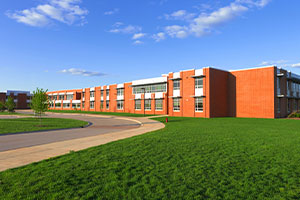
2201 Hempstead Turnpike
East Meadow, NY. 11554
516-572-9402
East Meadow, NY has nearby treatment options including: 6 low cost treatment centers, 0 inpatient treatment center, 2 drug rehabs that take private insurance like UnitedHealthCare, 0 drug and alcohol detox, 3 outpatient rehabs.

For help finding an addiction treatment center, Call us!
All calls are 100% confidential and free
1-877-882-9275



Nassau County Office of MH CD and is committed to helping the residents of East Meadow, New York and the surrounding areas to getting their life back after struggling with substance abuse. Because of this, Nassau County Office of MH CD and administers a wide assortment of services in line with their belief of treatments that work - including outpatient substance abuse treatment services, outpatient detoxification facilities, short term drug addiction treatment, long term drug addiction treatment, inpatient drug rehab facilities and others.
Nassau County Office of MH CD and also believes that it is necessary that every individual client gets specific treatments that are tailored to their needs to help ensure treatment is a success. This is why it is specialized in a wide variety of treatment modalities, including contingency management/motivational incentive, activity therapy, dialectical behavior therapy, cognitive/behavior therapy, matrix model, trauma therapy and others. Additionally, Nassau County Office of MH CD and is specialized in persons with eating disorders, social skills development, persons with serious mental illness, housing services, clients with HIV/AIDS, persons who have experienced sexual abuse, as well as other special programs. In general, the treatment methods that this drug and alcohol rehab program uses aims to provide positive and lasting change for each individual.
Lastly, Nassau County Office of MH CD and accepts cash or self-payment, private medical insurance, military insurance, payment assistance, access to recovery (atr) voucher, state corrections or juvenile justice funds and more.

Nassau Cnty Dept/Drug/Alc Addiction is dedicated to helping the residents of East Meadow and the surrounding areas to getting their sobriety back after battling with alcohol and drug addiction. Nassau Cnty Dept/Drug/Alc Addiction offers a wide variety of services in line with their belief of treatments that work - including outpatient individual counseling, detox facilities, short term drug and alcohol rehabs, long term treatment centers, inpatient drug and alcohol rehab programs and others.
Nassau Cnty Dept/Drug/Alc Addiction also believes that it is vital that every person gets highly personalized services to ensure their recovery. This is why it is specialized in a wide variety of treatment modalities, including contingency management/motivational incentive, activity therapy, dialectical behavior therapy, cognitive/behavior therapy, matrix model, trauma therapy and others. In addition, Nassau Cnty Dept/Drug/Alc Addiction is specialized in persons with eating disorders, social skills development, persons with serious mental illness, housing services, clients with HIV/AIDS, persons who have experienced sexual abuse, as well as other special programs. In general, the treatment methods that this drug and alcohol treatment facility uses strive to achieve true and lasting sobriety for each of its clients.
Lastly, Nassau Cnty Dept/Drug/Alc Addiction accepts private pay, private insurance, military insurance, payment assistance, access to recovery (atr) voucher, state corrections or juvenile justice funds and more.


YES Community Counseling Center is 1.8 miles from East Meadow, New York
YES Community Counseling Center is devoted to assisting the people of East Meadow, NY. and the surrounding areas to getting their sobriety back after battling with alcohol and drug addiction. YES Community Counseling Center accommodates a wide assortment of services in line with their philosophy of treatments that work - including intensive outpatient treatment, detoxification programs, short term drug treatment, long term drug and alcohol rehab centers, inpatient addiction treatment programs and others.
YES Community Counseling Center also believes that it is necessary that every individual gets specific treatments that are tailored to their needs to help ensure treatment is a success. This is why it is specialized in a wide variety of treatment methods, including contingency management/motivational incentive, activity therapy, dialectical behavior therapy, cognitive/behavior therapy, matrix model, trauma therapy and others. Additionally, YES Community Counseling Center is specialized in persons with eating disorders, social skills development, persons with serious mental illness, housing services, clients with HIV/AIDS, persons who have experienced sexual abuse, as well as other special programs. In general, the treatment services that this drug and alcohol treatment facility uses strive to achieve true and lasting sobriety for each of its clients.
Lastly, YES Community Counseling Center accepts cash or self-payment, private insurance, military insurance, payment assistance, access to recovery (atr) voucher, state corrections or juvenile justice funds and more.
Yes, studies have indicated that rates of substance use and substance use disorders are indeed higher in the LGBTQ+ (lesbian, gay, bisexual, transgender, queer, and others) community compared to the general population. This disparity is believed to be related to a variety of factors, including the stress and stigma associated with identifying as LGBTQ+.
Here's a closer look at some of the related factors and statistics:
According to the Substance Abuse and Mental Health Services Administration (SAMHSA), adults who identify as lesbian, gay, or bisexual were more than twice as likely as heterosexual adults to have used illicit drugs in the past year. Transgender individuals also experience higher rates of substance use and substance use disorders compared to their cisgender peers.
It is important to note that while substance use is a significant issue within the LGBTQ+ community, not all individuals within this community use substances or struggle with substance use disorders. A comprehensive, culturally competent approach is needed to address substance use in the LGBTQ+ community, which includes providing LGBTQ+ inclusive prevention and treatment programs, addressing the underlying issues like discrimination and stigma, and improving access to mental health care.
Yes, in the United States, there are several forms of government assistance that can help pay for rehab.
Medicaid: Medicaid is a state and federal program that provides health coverage for some low-income people, families and children, pregnant women, the elderly, and people with disabilities. Many states' Medicaid programs provide coverage for a range of substance use disorder services, including detoxification, outpatient counseling, residential treatment, medication-assisted treatment, and more. The specific services covered and eligibility criteria can vary by state.
Medicare: Medicare, a federal program primarily for people age 65 and older, also provides coverage for some substance use disorder treatment. This can include inpatient rehab, outpatient treatment services, and medication-assisted treatment.
The Affordable Care Act (ACA): The ACA, also known as Obamacare, requires health insurance plans sold on the Health Insurance Marketplace to cover substance use disorder services. This means that individuals who purchase insurance through the Marketplace can access rehab services, often at a lower cost due to income-based subsidies.
Substance Abuse and Mental Health Services Administration (SAMHSA): SAMHSA offers grants to states and organizations to provide treatment and recovery services for individuals with substance use disorders. Individuals may be able to access services funded by these grants at little or no cost.
State and Local Government Programs: Many states and localities have their own programs to help residents access substance use disorder treatment. These programs may offer direct funding for treatment, operate state-funded treatment facilities, or provide vouchers to pay for private treatment.
Veterans Affairs (VA): The VA provides a range of substance use disorder treatment services to eligible veterans, including detoxification, rehab, outpatient counseling, and medication-assisted treatment.
Indian Health Service (IHS): The IHS provides a comprehensive health service delivery system for approximately 2.6 million American Indians and Alaska Natives, including services for substance use disorders.
National Non Profit Helpline - 1-877-882-9275
Our National Non Profit Helpline is a 24/7, 365-day-a-year treatment referral and information service for individuals and families faced with mental and/or substance use disorders.
All calls are strictly confidential
Our service provides referrals to licensed treatment facilities, support groups, and community-based organizations. You don't have to struggle alone with addiction. Help is just a phone call away. Call 1-877-882-9275 now to get the help you need and deserve.



© Copyright 1998 - 2022 All Rights Reserved. Content is protected under copyright laws, do not use content without written permission.
