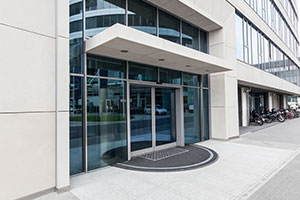
Brooklyn Center, Minnesota
Brooklyn Center, MN Profile
Brooklyn Center, MN, population 29,172 , is located
in Minnesota's Hennepin county,
about 7.5 miles from Minneapolis and 14.8 miles from St Paul.
In the 90's the population of Brooklyn Center has grown by about 1%.
It is Estimated in recent years the population of Brooklyn Center has been declining at an annual rate of less than one percent.
Reports show that during 2003 property crime levels in the Brooklyn Center area were higher than Minnesota's average.
The same data shows violent crime levels to be lower than the Minnesota average.
Brooklyn Center Statistics
Brooklyn Center Gender Information
Males in Brooklyn Center: 14,205 (49%)
Females in Brooklyn Center: 14,967 (51%)
As % of Population in Brooklyn Center
Race Diversity in Brooklyn Center
White: 71%
African American: 14%
Native American: 1%
Asian: 9%
Other/Mixed: 5%
As % of Population in Brooklyn Center
Age Diversity in Brooklyn Center
Median Age in Brooklyn Center: 35.3 (Males in Brooklyn Center: 34.0, Females in Brooklyn Center: 36.8)
Brooklyn Center Males Under 20: 14%
Brooklyn Center Females Under 20: 14%
Brooklyn Center Males 20 to 40: 15%
Brooklyn Center Females 20 to 40: 15%
Brooklyn Center Males 40 to 60: 12%
Brooklyn Center Females 40 to 60: 12%
Brooklyn Center Males Over 60: 8%
Brooklyn Center Females Over 60: 11%
Economics in Brooklyn Center
Brooklyn Center Household Average Size: 2.52 people
Brooklyn Center Median Household Income: $ 44,570
Brooklyn Center Median Value of Homes: $ 104,900
Law Enforcement in Brooklyn Center
Reported crimes in the Brooklyn Center area during 2003:
Murder and non-negligent man-slaughter: 2
Forcible rape: 25
Robbery: 50
Aggravated assault: 55
Violent crime events per 100,000 people: 455
Burglary: 203
Larceny-theft: 1,708
Motor vehicle theft: 225
Arson: 53
Property crime events per 100,000 people: 7,371
Brooklyn Center Location Information
Land Area: 7.9 Square Miles.
Water Area: 0.4 Square Miles.
Nearby Towns & Cities to Brooklyn Center
Brooklyn Park 1.7 Miles
Robbinsdale 3.0 Miles
Crystal 3.3 Miles
Fridley 3.5 Miles
New Hope 3.7 Miles
Coon Rapids 3.7 Miles
Columbia Heights 4.2 Miles
Hilltop 4.5 Miles
Osseo 4.5 Miles
Golden Valley 4.7 Miles
Big Cities Nearest Brooklyn Center
(Population 100,000+)
Minneapolis 7.5 Miles
St Paul 14.8 Miles
Sioux Falls 197.3 Miles
Cedar Rapids 228.4 Miles
Madison 239.5 Miles
Des Moines 240.8 Miles
Green Bay 263.5 Miles
Rockford 287.3 Miles
Omaha 294.9 Miles
Milwaukee 304.2 Miles
|
Facts
Of the 115,589 offenders arrested by Federal law enforcement agencies in 2000, 28% were arrested for drug offenses. Of the 35,000 arrests made in 2001 by the U.S. Drug Enforcement Administration (DEA), 38.8% involved cocaine, 9.4% involved heroin, 19.7% involved marijuana, and 32.0% involved other drugs, including stimulants (e.g., methamphetamine), depressants (e.g., barbiturates), and hallucinogens (e.g., LSD and PCP). Cocaine affects your body. People who use cocaine often don’t eat or sleep regularly. They can experience increased heart rate, muscle spasms, and convulsions. If they snort cocaine, they can also permanently damage their nasal tissue. Regardless of how they are consumed, once in the bloodstream, amphetamines travel to the brain in just a few seconds. In the brain tissue, they dramatically increase nerve cell activity, which in turn decreases appetite and causes feelings of energy and excitement. Amphetamines also stimulate the reward center of the brain, delivering strong feelings of pleasure. With these effects in mind, drug companies enthusiastically marketed amphetamine and its derivatives as treatments for depression and as dieting aids. People in every walk of life found a use for the drugs and a reason to purchase them: Truck drivers who needed to stay awake on long trips, athletes who wanted extra energy, housewives yearning to lose a few pounds, and students cramming for exams sought out the drugs. During each year of the 1950s, manufacturers in the United States produced enough amphetamines to supply each man, woman, and child with fifty doses. Most people used them under the recommendation of their physicians. By 1965 physicians were seeing undeniable signs of addiction in some amphetamine users. Doctors reported these adverse effects to the Food and Drug Administration (FDA) the organization in charge of assuring the safety of foods and drugs used by Americans. As a result, amphetamines were soon placed under federal restrictions to protect consumers. Many people in the United States have heard of Rohypnol (flunitrazepam), otherwise known as "the date rape drug," as a result of news reports about its abuse. Rohypnol is neither actually on the market nor approved for medical use in the United States. However, it is legal and available by prescription in other parts of the world, including Mexico, South America, Asia, and Europe, where it is one of the most widely used benzodiazepine drugs. Like other benzodiazepines, it is a "downer," meaning it acts as a sedative and has a depressant effect on the body's central nervous system (CNS). Other common benzodiazepine drugs include Valium, Xanax, and Halcion. Benzodiazepines were first developed and marketed in the 1960s and touted as safer alternatives to barbiturates. They also were thought to be less addictive than barbiturates. Of all controlled substances for which prescriptions are written, benzodiazepines account for about 30%. One of the main uses of prescription Rohypnol is to reduce anxiety and insomnia and induce sleep. As a sedative, Rohypnol is reportedly about 10 times more powerful than Valium. |
Withdrawal
Withdrawal is what happens when a person who is addicted to drugs or alcohol discontinues use. There are numerous symptoms that take place both physically and emotionally when an addicted individual stops using. Withdrawal can last a few days to a few weeks and may include nausea or vomiting, sweating, shakiness, and anxiety. Keep in mind; this only occurs if a person has regular, heavy use of a drug or alcohol. Withdrawal can be extremely uncomfortable without professional help. Treatment for withdrawal from alcohol or drugs may require a medical professional to be present. Drug and alcohol rehabilitation is often the best way to overcome withdrawal and its symptoms as well as recovery from drug addiction.
Addiction
Addiction is one of the many consequences of so-called 'casual' drug and alcohol abuse. A loss of control over drugs and alcohol can be driven by physical or psychological factors, or sometimes both. Physical addiction takes place when the body comes to need a drug to function normally. If it is not taken, unpleasant withdrawal symptoms occur. The only way to avoid this is to take more of the drug. Psychological addiction takes place when an individual comes to rely on a drug to supply good feelings, such as relaxation, self-confidence, self esteem, and freedom from anxiety. This is not just a casual desire, it's a powerful compulsion.
Drug Side Effects
Drug addiction and abuse comes with a heavy price. There are drastic drug side effects associated with drug misuse and abuse. Drug side effects from legal and illegal drugs can range from mild itching to comas and death. In addition to the physical drug side effects mentioned, there are many psychological drug side effects of drug abuse; the most serious being drug addiction and overdose.
Drug Abuse
Drug abuse is defined as the chronic or habitual use of any chemical substance to alter states of body or mind for other than medically warranted purposes. Drug abuse is a problem which has an effect on people of all income levels,
ages, and stations in life. Quite often the last person to see that there is a
problem is the drug abuser them self. Every year, more and more people become
drug addicts in their pursuit to get "high".
Therapeutic Community
An effective therapeutic community attends to the many needs of the individual, not just his or her drug use. Care given at a therapeutic community addresses the individual's drug use and associated medical, psychological, social, vocational, and legal problems. Also, a therapeutic community will continue to be flexible and provide ongoing assessments of the individual's needs, which may change during the course of care.
Remaining in care at a therapeutic community for an adequate period of time is critical for treatment effectiveness. The time depends on an individual's needs. For most people, the significant improvement is reached at about 3 months in treatment.
|
|

To Find Drug Rehab and Treatment Centers in Brooklyn Center
Call toll free


Brooklyn Center Drug Rehab and
Alcohol Addiction Treatment Information
|