Waseca, MN Drug and Alcohol Rehabilitation Centers
Waseca, MN has nearby choices for addiction treatment including: 1 medicaid treatment center, 1 inpatient drug rehab, 4 drug rehabs that take private insurance like BCBS, 0 drug and alcohol detox, 3 outpatient treatment programs.
Get Help - Find a Rehab Center Today
Popular Searches for Drug and Alcohol Rehab in Waseca, Minnesota:
Skip To Rehab Listing
Drug and Alcohol Rehab Settings and Approaches in Waseca, MN.
Drug and alcohol abuse affects individuals of all ages, genders, and walks of life. The alcohol and drug treatment programs and services, such as short term addiction treatment programs, long term treatment programs, outpatient substance abuse treatment services, outpatient detox centers, inpatient drug and alcohol rehab programs, are designed to offer excellent care to anyone who has a problem with addiction, regardless of their personal circumstance.
Alcohol and drug rehab centers in the Waseca area are not all the same. They offer a range of modalities, including group therapy, rational emotive behavioral therapy, substance abuse counseling approach, couple/family therapy, dialectical behavior therapy, cognitive/behavior therapy, that allow clients to face their drug and alcohol use in the way that is most beneficial for them.
Special Programs for Substance Abuse Recovery
In spite of the widespread presence of substance abuse, each person who struggles with drug and alcohol abuse problems has their own specific circumstances that require an individualized strategy. That is why the rehab programs in Waseca provide a number of special resources like programs for the hearing impaired, persons with serious mental illness, child care for clients children, domestic violence, active duty military, transgender or (LGBT) clients.
Rehab Payment Types
Clients and their loved ones should not defer treatment because of concerns about money. Treatment centers offer various possibilities for payment, including the following: private health insurance, cash or self-payment, medicare, medicaid, military insurance, county or local government funds, other state funds. Alcohol and drug rehabs can guide patients and their families toward the payment plans that will put recovery within their reach.
People who struggle with alcohol and drug dependency should not wait to access the various resources accessible in Waseca, Minnesota.
Dr. Gina M Jansheski, M.D.

Dr. Po-Chang Hsu, M.D., M.S.

Renee Warmbrodt, RN, MSN, CPNP-PC

Addiction Treatment Centers Serving the Waseca, Minnesota Area:
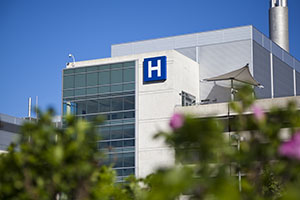 299 Johnson Avenue
Waseca, MN. 56093
507-779-7884
House of Hope Inc has been dedicating its services and programs to helping individuals who are struggling with substances of abuse in Waseca and within the surrounding area.
To this end, House of Hope Inc facilitates a wide variety of treatment and rehabilitation programs, including short term drug and alcohol rehab centers, long term rehab centers, intensive outpatient treatment, detox centers, inpatient drug addiction treatment and more. House of Hope Inc also believes that it is vital that it offers tailored services to ensure that individuals get the results that they are looking for. This is why House of Hope Inc is specialized in group therapy, rational emotive behavioral therapy, substance abuse counseling approach, couple/family therapy, dialectical behavior therapy, cognitive/behavior therapy, among other programs.
House of Hope Inc also provides programs for the hearing impaired, persons with serious mental illness, child care for clients children, domestic violence, active duty military, transgender or (LGBT) clients, and offers some of the best aftercare programs - all of which have been proven to further the results its clients expect. This addiction treatment center also uses treatment modalities that can help you achieve the best possible outcome.
House of Hope Inc also accepts the following forms of payment - private health insurance, cash or self-payment, medicare, medicaid, military insurance, county or local government funds, other state funds and more.
South Central Human Relations Ctr Dual Recovery Program
 610 Florence Avenue
Owatonna, MN. 55060
507-451-2630
South Central Human Relations Ctr is 14 miles from Waseca, MN
South Central Human Relations Ctr has been dedicating its treatment programs and services to helping people who are struggling with substance abuse in Waseca, MN. and its surrounding area.
South Central Human Relations Ctr offers a wide variety of treatment and rehabilitation methods, including short term drug rehab programs, long term drug and alcohol rehabs, outpatient day treatment, inpatient detoxification centers, inpatient drug rehab programs and more. South Central Human Relations Ctr also believes that it is important that it provides individual services to ensure that individuals get the results that they want. This is why South Central Human Relations Ctr is specialized in group therapy, rational emotive behavioral therapy, substance abuse counseling approach, couple/family therapy, dialectical behavior therapy, cognitive/behavior therapy, among other programs.
South Central Human Relations Ctr also provides programs for the hearing impaired, persons with serious mental illness, child care for clients children, domestic violence, active duty military, transgender or (LGBT) clients, and offers some of the best continued recovery programs - all of which are helpful to its clients. This drug and alcohol treatment program also uses treatment methods that can help you achieve the best possible outcome.
South Central Human Relations Ctr also accepts the following forms of payment - private health insurance, private pay, medicare, medicaid, military insurance, county or local government funds, other state funds and more.
Beauterre Recovery Institute
 2480 South County Road 45
Owatonna, MN. 55060
612-454-2130
Beauterre Recovery Institute is 14.3 miles from Waseca, Minnesota
Beauterre Recovery Institute has been dedicating its treatment programs and services to helping people who are struggling with alcohol and drug abuse in Waseca, Minnesota and within the surrounding area.
Beauterre Recovery Institute provides a wide variety of treatment and rehabilitation methods, including short term drug and alcohol rehab centers, long term treatment programs, outpatient counseling, detoxification facilities, inpatient rehab programs and more. Beauterre Recovery Institute also believes that it is important that it provides specific services to ensure that its clients get the results that they want. This is why Beauterre Recovery Institute is specialized in group therapy, rational emotive behavioral therapy, substance abuse counseling approach, couple/family therapy, dialectical behavior therapy, cognitive/behavior therapy, among other programs.
Beauterre Recovery Institute also provides programs for the hearing impaired, persons with serious mental illness, child care for clients children, domestic violence, active duty military, transgender or (LGBT) clients, and offers some of the best continued recovery programs - all of which have been proven to further the results its clients expect. This drug and alcohol rehab facility also uses treatment methods that can help you achieve the best possible outcome.
Beauterre Recovery Institute also accepts the following forms of payment - private insurance, private pay, medicaid, medicare, military insurance, county or local government funds, other state funds and more.
Fountain Centers Faribault
 2301 4th Street NW
Faribault, MN. 55021
507-334-6413
Fountain Centers is 19.1 miles from Waseca, Minnesota
Fountain Centers has been dedicating its treatment programs and services to helping individuals who are struggling with substances of abuse in Waseca and within the surrounding area.
Fountain Centers provides a wide variety of treatment and rehabilitation programs, including short term addiction treatment facilities, long term drug rehab facilities, outpatient individual counseling, inpatient detoxification centers, inpatient drug rehab facilities and more. Fountain Centers also believes that it is necessary that it presents individual services to ensure that individuals get the results that they are looking for. This is why Fountain Centers is specialized in group therapy, rational emotive behavioral therapy, substance abuse counseling approach, couple/family therapy, dialectical behavior therapy, cognitive/behavior therapy, among other programs.
Fountain Centers also provides programs for the hearing impaired, persons with serious mental illness, child care for clients children, domestic violence, active duty military, transgender or (LGBT) clients, and provides some of the best continued recovery programs - all of which have been proven to further the results its clients expect. This substance abuse treatment facility also uses treatment methods that can help you achieve full stability both in the long term and permanently.
Fountain Centers also accepts the following types of payment - private medical insurance, private pay, medicare, medicaid, military insurance, county or local government funds, other state funds and more.
Find Drug and Alcohol Treatment Centers in or around the following Minnesota cities:
Top Cities For Recovery:
Commonly Asked Questions about Addiction and Treatment
How long do drug withdrawal symptoms last?
The duration of drug withdrawal symptoms can vary widely depending on several factors, including the type of substance used, the duration of use, the degree of dependence, individual metabolism and health status, and whether one quits cold turkey or with medical assistance.
Generally, withdrawal symptoms can be divided into acute and post-acute phases:
Acute Withdrawal: This is the initial phase of withdrawal, where physical symptoms are typically the most severe. Depending on the substance, acute withdrawal symptoms can begin within a few hours to a few days after the last use and can last anywhere from a few days to a few weeks. For example, alcohol withdrawal symptoms often start within 8 hours of the last drink and can last up to a few days or weeks, while opioid withdrawal symptoms usually start within 12-30 hours of the last dose and can last approximately a week.
Post-Acute Withdrawal Syndrome (PAWS): Some individuals may experience a second phase of withdrawal known as Post-Acute Withdrawal Syndrome. PAWS refers to a group of symptoms that occur after the acute withdrawal phase, predominantly psychological, such as anxiety, irritability, mood swings, depression, and sleep disturbances. PAWS can last from a few weeks to a year or more after the cessation of substance use.
It's important to remember that withdrawal can be dangerous and even life-threatening in some cases, especially when it comes to substances like alcohol and benzodiazepines. Therefore, withdrawal should always be done under medical supervision. The support and treatment offered by medical professionals during detoxification can also help to mitigate withdrawal symptoms and make the process safer and more comfortable.
What are substance abuse factors for lgbtq+ individuals?
Substance abuse among LGBTQ+ (lesbian, gay, bisexual, transgender, queer, and others) individuals is influenced by a range of factors. These factors often intersect and can compound the risk for developing substance use disorders. Some of the primary factors include:
- Minority Stress: Minority stress refers to the additional stressors experienced by marginalized groups, such as LGBTQ+ individuals. This includes experiences of discrimination, stigma, harassment, and violence due to their sexual orientation or gender identity. This chronic stress can contribute to increased substance use as a coping mechanism.
- Mental Health: LGBTQ+ individuals are at a higher risk for certain mental health disorders, including depression, anxiety, and post-traumatic stress disorder. These mental health conditions can increase the risk of substance use and substance use disorders.
- Social Isolation and Rejection: The process of coming out to family and friends can sometimes result in rejection or loss of social support. This isolation and rejection can increase feelings of loneliness and despair, which may contribute to substance use.
- Internalized Homophobia or Transphobia: Internalized homophobia or transphobia refers to negative feelings, beliefs, and biases about one's own sexual orientation or gender identity. This internalized stigma can lead to lower self-esteem and increased risk of substance abuse.
- Lack of Access to Culturally Competent Healthcare: Many healthcare providers lack training in LGBTQ+ health issues, including substance use disorders, leading to barriers in access to effective, culturally competent treatment.
- Social Environments and Norms: Certain LGBTQ+ social settings, such as bars or clubs, often center around alcohol or other substance use, which may normalize and facilitate substance abuse.
- Trauma: LGBTQ+ individuals experience higher rates of certain types of trauma, such as physical or sexual abuse, hate crimes, or bullying, which can increase the risk of substance use disorders.
How do I know if I have an addiction problem?
Recognizing whether you have an addiction problem involves self-reflection and a honest assessment of your behaviors, thoughts, and emotions related to substance use or compulsive behaviors. Addiction is characterized by an inability to control or abstain from a substance or behavior despite negative consequences and a preoccupation with the addictive substance or behavior. Here are some signs and symptoms that may indicate an addiction problem:
- Loss of control: You may find it difficult to stop or moderate your substance use or behavior, even when you want to or have tried multiple times.
- Continued use despite negative consequences: You continue to engage in the addictive behavior despite experiencing negative effects on your health, relationships, work, or other aspects of your life.
- Preoccupation: You spend a significant amount of time thinking about, obtaining, using, or recovering from the substance or behavior.
- Tolerance: You may need increasing amounts of the substance or more frequent engagement in the behavior to achieve the same desired effect, indicating that your body has become accustomed to it.
- Withdrawal: When you stop using the substance or engaging in the behavior, you experience physical or psychological symptoms, such as anxiety, irritability, nausea, or insomnia.
- Neglecting responsibilities: You may find yourself neglecting personal, work, or family obligations due to your preoccupation with the substance or behavior.
- Social isolation: You may withdraw from social activities or relationships that were once important to you, often to hide your addiction or because the addiction has taken priority.
- Risk-taking behavior: You may engage in risky activities, such as driving under the influence, sharing needles, or engaging in unprotected sex, while using the substance or engaging in the addictive behavior.
- Denial or minimization: You may downplay the severity of your addiction or refuse to acknowledge that there is a problem, despite concerns expressed by friends, family, or professionals.
If you recognize any of these signs and symptoms in your own life, it may be an indication that you have an addiction problem. It is important to seek help from a healthcare professional, addiction counselor, or support group to discuss your concerns and explore available treatment options. Remember, addiction is a complex and chronic condition, but recovery is possible with the appropriate support and intervention.
National Non Profit Helpline - 1-877-882-9275
Our National Non Profit Helpline is a 24/7, 365-day-a-year treatment referral and information service for individuals and families faced with mental and/or substance use disorders.
All calls are strictly confidential
Our service provides referrals to licensed treatment facilities, support groups, and community-based organizations. You don't have to struggle alone with addiction. Help is just a phone call away. Call 1-877-882-9275 now to get the help you need and deserve.
1-877-882-9275




