Maple Grove, Minnesota Drug and Alcohol Rehabilitation Centers
Maple Grove, MN has nearby choices for addiction treatment including: 3 medicaid treatment centers, 1 inpatient treatment center, 4 drug rehabs that take PPO insurance like UnitedHealthCare, 1 detox center, 3 outpatient treatment programs.
Get Help - Find a Rehab Center Today
Popular Searches for Drug and Alcohol Rehab in Maple Grove, Minnesota:
Skip To Rehab Listing
Treatment Facility Settings and Recovery Approaches
Maple Grove's numerous treatment centers, some of which are listed below, address an issue that is widespread in cities all over the US: drug and alcohol abuse. These facilities fight this issue locally by providing locations and services that are suitable for clients within the area. These settings can include: long term treatment programs, inpatient addiction treatment centers, outpatient detoxification centers, outpatient substance abuse treatment services, short term drug and alcohol rehab programs.
Alcohol and drug rehab programs adopt a number of approaches, ranging from long-established approaches to recently developed methods such as: 12-step facilitation approach, substance abuse counseling approach, dual diagnosis drug rehab, rational emotive behavioral therapy, matrix model, anger management. The outcome is an array of programs that clear the path to achievable lasting sobriety for numerous patients.
Special Programs for Addiction Offered by Rehab Facilities
People struggling with alcohol or drug addiction often need tailored assistance to get their lives back. That is why alcohol and drug rehabs in Maple Grove offer special programs that help patients within their personal circumstances. Some of these services are listed here: transgender or (LGBT) clients, self-help groups, domestic violence, legal advocacy, seniors or older adults, active duty military.
Treatment Payment Options in Maple Grove, MN.
Clients are faced with different economic circumstances, which is why addiction rehab facilities offer many payment options, such as: private insurance, private pay, sliding fee scale, payment assistance, state welfare or child and family services funds, access to recovery (atr) voucher.
Funding should never be a barrier to substance abuse rehab. Rehab centers direct patients toward the payment opportunities that support their particular economic concerns.
With a variety of centers, programs, resources, approaches and payment alternatives, Maple Grove offers patients multiple options when it comes to seeking treatment from addiction.
Dr. Gina M Jansheski, M.D.

Dr. Po-Chang Hsu, M.D., M.S.

Renee Warmbrodt, RN, MSN, CPNP-PC

Drug and Alcohol Treatment Facilities Serving the Maple Grove, Minnesota Area:
 7001 East Fish Lake Road
Maple Grove, MN. 55311
763-401-5890
Hazelden Betty Ford Foundation has been providing recovery care and rehabilitation services to residents of the Maple Grove area. Today, Hazelden Betty Ford Foundation offers services like 12-step facilitation approach, substance abuse counseling approach, dual diagnosis drug rehab, rational emotive behavioral therapy, matrix model, anger management and others in line with its philosophy of following rehabilitation treatments that work best to help addicts achieve recovery.
This alcohol and drug treatment facility also thinks that the way to get the best result for the client is to offer individual care. Services are available in the following settings - long term drug and alcohol rehab centers, inpatient rehab centers, detox programs, outpatient individual counseling, short term treatment facilities and others.
For long term abstinence, sobriety and full recovery Hazelden Betty Ford Foundation offers an aftercare program. Lastly, Hazelden Betty Ford Foundation accepts private health insurance, cash or self-payment, sliding fee scale, payment assistance, state welfare or child and family services funds, access to recovery (atr) voucher and others as payment forms.
Living Free Recovery Services
 9201 75th Avenue North
Minneapolis, MN. 55428
763-315-7170
Living Free Recovery Services is 3.1 miles from Maple Grove, MN
Living Free Recovery Services has been offering ongoing recovery care and rehabilitation services to the residents of Maple Grove, MN. and those living within the surrounding communities. Today, Living Free Recovery Services provides services like 12-step facilitation approach, substance abuse counseling approach, dual diagnosis drug rehab, rational emotive behavioral therapy, matrix model, anger management and others in keeping with its philosophy of following rehabilitation treatments that work best to help people achieve recovery.
This alcohol and drug rehab facility also thinks that the way to get the best result for the client is to offer individual care. Services are available in the following settings - long term drug abuse treatment, inpatient addiction treatment centers, outpatient detox programs, outpatient counseling, short term rehabs and others.
Living Free Recovery Services also offers aftercare programs to ensure that its clients achieve positive outcomes both in the short and in the long term. Lastly, Living Free Recovery Services accepts private insurance, cash or self-payment, sliding fee scale, payment assistance, state welfare or child and family services funds, access to recovery (atr) voucher and others as payment forms.
Judy Retterath Withdrawal Management Center with Missions Inc
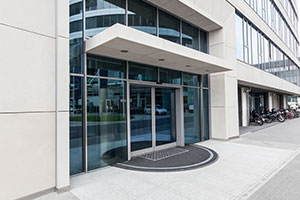 3409 East Medicine Lake Boulevard
Minneapolis, MN. 55441
763-559-1402
Judy Retterath Withdrawal Management is 4 miles from Maple Grove, MN
Judy Retterath Withdrawal Management has been providing ongoing recovery care and rehabilitation services to residents of the Maple Grove area. Today, Judy Retterath Withdrawal Management provides services like 12-step facilitation approach, substance abuse counseling approach, dual diagnosis drug rehab, rational emotive behavioral therapy, matrix model, anger management and others in line with its philosophy of following rehab treatments that work best to help addicts achieve sobriety.
This addiction treatment program also believes the best form of treatment to ensure success is to offer individualized care. Services are available in the following settings - long term addiction treatment programs, inpatient drug rehab facilities, detoxification centers, outpatient counseling, short term rehabs and others.
It also believes that an aftercare program is integral in promoting recovery in the long term. Lastly, Judy Retterath Withdrawal Management accepts private insurance, private pay, sliding fee scale, payment assistance, state welfare or child and family services funds, access to recovery (atr) voucher and others as forms of payment.
Ark Counseling LLC
 13895 Industrial Park Boulevard
Minneapolis, MN. 55441
763-559-5677
Ark Counseling LLC is 4.8 miles from Maple Grove, Minnesota
We are a multi-specialty team of like-minded mental health therapists who have joined together to provide high quality research-informed care. We provide this to adults who are experiencing difficulty with chemical, emotional, or mental health issues.We take a positive approach and believe people are able, with coaching, to rise above any difficulty and to become the person they aspire to be. We share the point of view that while a problem may require a diagnosis, a person is always infinitely more than his or her problems.
Find Drug and Alcohol Treatment Centers in or around the following Minnesota cities:
Top Cities For Recovery:
Commonly Asked Questions about Addiction and Treatment
How to help an addict that refuses it?
Helping a loved one who is struggling with addiction but refuses assistance can be a challenging and delicate situation. However, there are several approaches you can take:
- Communication: Have an open, honest, and compassionate conversation about your concerns. Choose a time when they're sober and not in crisis. Avoid judgmental or confrontational language, instead focusing on expressing your feelings and concerns.
- Educate Yourself: Understanding addiction as a disease can help you approach the situation with empathy. Learn about the science of addiction and the resources available for treatment.
- Professional Intervention: An intervention is a structured conversation between the person with addiction and their loved ones, often facilitated by a professional interventionist. The goal is to help the person see the negative impact of their addiction on themselves and others and to encourage them to seek treatment.
- Support Groups: Consider joining a support group for families and friends of individuals dealing with substance use disorders, such as Al-Anon or Nar-Anon. These groups can provide understanding, advice, and encouragement.
- Setting Boundaries: It's crucial to establish boundaries to protect your own mental and physical wellbeing. Make it clear what behaviors you will not tolerate and follow through on consequences if those boundaries are crossed.
- Encouragement: Continually encourage your loved one to seek professional help. Provide them with information about local resources, rehab facilities, or counseling services.
- Self-Care: Don't forget to take care of your own mental and physical health. Seek professional help for yourself if necessary, and remember that it's okay to step back when you need to.
What happens in an intervention for someone with an addiction to drugs?
An intervention for someone with a drug addiction is a structured and planned event designed to encourage the individual to acknowledge their addiction and seek professional help. The primary goal is to guide the person towards accepting treatment and taking the necessary steps towards recovery. Here is an outline of what typically happens during an intervention:
- Planning: Before the intervention, loved ones and concerned parties (such as family members and friends) gather to discuss the situation and develop a plan. They may enlist the help of a professional interventionist, who can provide guidance on the intervention process and help maintain focus on the desired outcome.
- Preparation: Participants gather information about the person's addiction, the impact it has had on their lives, and the available treatment options. They also prepare personal statements expressing their concern, love, and support, while addressing the negative consequences of the individual's drug use.
- Rehearsal: The group rehearses the intervention to ensure that everyone is prepared, confident, and aware of their roles. This step helps participants maintain a calm and non-confrontational tone during the actual intervention.
- The intervention meeting: The person with the addiction is invited to a pre-arranged location, often under the pretense of a different event. The group then confronts the individual with their prepared statements, detailing the impact of the addiction on their lives and urging the person to seek help.
- Presentation of treatment options: The group presents the person with a pre-selected treatment plan or multiple options, emphasizing the importance of immediate action. It's crucial to have arrangements in place, such as pre-admission to a treatment facility or an appointment with a counselor, to facilitate a smooth transition into treatment.
- Setting boundaries and consequences: During the intervention, participants establish clear boundaries and consequences if the person refuses to accept help. These consequences may include ceasing financial support, limiting contact, or other actions to protect themselves from the negative effects of the addiction.
- Support and encouragement: Throughout the intervention, participants express their love and support for the individual, emphasizing their belief in the person's ability to recover and rebuild their life.
- Post-intervention follow-up: If the person agrees to seek treatment, the group continues to provide support during their recovery process. If the person refuses help, the group must follow through with the established consequences to reinforce the seriousness of the situation.
Suicide risks from drug abuse among lgbtq+ youth
Substance abuse significantly increases the risk of suicide, particularly among vulnerable populations such as LGBTQ+ (lesbian, gay, bisexual, transgender, queer, and others) youth. This heightened risk stems from a combination of factors associated with both substance abuse and the unique challenges faced by LGBTQ+ youth. Here's a closer look at these factors:
Mental Health Disorders: Substance abuse often co-occurs with mental health disorders such as depression, anxiety, and bipolar disorder, which are known risk factors for suicide. LGBTQ+ youth experience these mental health conditions at higher rates than their heterosexual and cisgender peers, partially due to the minority stress they face.
Minority Stress: Minority stress refers to the chronic stress experienced by marginalized groups, including LGBTQ+ individuals. It can include experiences such as discrimination, stigma, bullying, and family rejection, which can increase feelings of hopelessness and contribute to both substance use and suicidal ideation.
Substance Use and Suicidal Behavior: Substance use can lead to increased impulsivity, decreased inhibition, and intensified feelings of despair, making a person more likely to attempt suicide. It can also exacerbate feelings of isolation and hopelessness, further increasing the risk.
Social Isolation: Many LGBTQ+ youth feel socially isolated, either because they are not out to their peers or because they face rejection after coming out. This isolation can lead to increased substance use and a higher risk of suicide.
Family Rejection: Family rejection related to an individual's sexual orientation or gender identity can lead to increased substance use and heightened suicide risk. LGBTQ+ youth who do not receive support from their families are particularly vulnerable.
Lack of Access to Mental Health Services: Many LGBTQ+ youth struggle to access mental health and substance use treatment services, which can help manage risk factors for suicide. Barriers to access can include lack of insurance, stigma, and a shortage of providers who offer LGBTQ+-inclusive care.
Intersectionality: LGBTQ+ youth who belong to other marginalized groups (e.g., racial/ethnic minorities) often face additional layers of discrimination and stress, which can further increase their risk of substance abuse and suicide.
Efforts to prevent suicide among LGBTQ+ youth include providing access to culturally competent mental health and substance use treatment, fostering supportive environments in schools and communities, and advocating for policies that protect LGBTQ+ youth from discrimination and harassment. It's also crucial to provide support for families of LGBTQ+ youth, as family acceptance has been shown to protect against suicide risk.
National Non Profit Helpline - 1-877-882-9275
Our National Non Profit Helpline is a 24/7, 365-day-a-year treatment referral and information service for individuals and families faced with mental and/or substance use disorders.
All calls are strictly confidential
Our service provides referrals to licensed treatment facilities, support groups, and community-based organizations. You don't have to struggle alone with addiction. Help is just a phone call away. Call 1-877-882-9275 now to get the help you need and deserve.
1-877-882-9275




