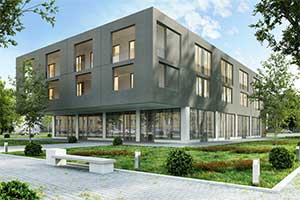
275 1st Avenue East
Shakopee, MN. 55379
952-496-3366
Shakopee, MN has several nearby treatment choices including: 5 low cost programs, 0 inpatient treatment center, 4 drug rehabs that take PPO insurance like UnitedHealthCare, 0 drug and alcohol detox, 4 outpatient treatment programs.

For help finding an addiction treatment center, Call us!
All calls are 100% confidential and free
1-877-882-9275



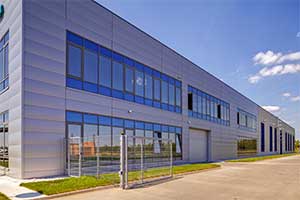
NorthStar Regional is 8.5 miles from Shakopee, Minnesota
Like other addiction treatment programs, NorthStar Regional is committed to ongoing recovery for alcohol and drug addicts living in Shakopee, Minnesota and within the surrounding region. As such, this substance abuse treatment center has been providing care like activity therapy, cognitive/behavior therapy, couple/family therapy, contingency management/motivational incentive, trauma-related counseling, brief intervention approach and more, which is in line with its philosophy of the treatments that actually work to help addicts recover from their condition (s).
In Addition, NorthStar Regional thinks that it is essential that its patients receive individual focus and services to make sure that they get effective results. They specialize in various programs such as clients referred from the court/judicial system, suicide prevention services, residential beds for client's children, transgender or (LGBT) clients, active duty military, treatment for spanish-speaking clients and others that you can find listed below. Each of the services that NorthStar Regional provides are also available in different settings - outpatient detox programs, long term drug rehab centers, short term drug rehab centers, inpatient drug abuse treatment, outpatient counseling and more.
Not surprisingly, this rehab also has aftercare planning and other treatment methods that can help you find permanent sobriety both in the short and in the long term. Finally, NorthStar Regional accepts cash or self-payment, private medical insurance, military insurance, medicare, medicaid, state welfare or child and family services funds, access to recovery (atr) voucher and others.
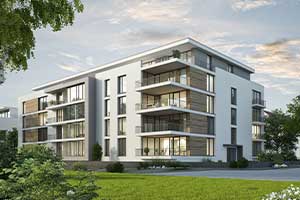
Sage Prairie is 11 miles from Shakopee, Minnesota
Like other addiction treatment programs, Sage Prairie is committed to long term recovery for alcohol and drug addicts living in Shakopee, Minnesota and within the surrounding region. As such, this drug and alcohol rehab has been offering services like activity therapy, cognitive/behavior therapy, couple/family therapy, contingency management/motivational incentive, trauma-related counseling, brief intervention approach and more.
Further, Sage Prairie thinks that it is important that its clients receive individualized care to ensure that they are successful. This is why it specializes in several programs such as clients referred from the court/judicial system, suicide prevention services, residential beds for client's children, transgender or (LGBT) clients, active duty military, treatment for spanish-speaking clients and others that you can find listed in the following section. Each of the services that Sage Prairie provides are also available in different settings - outpatient detoxification centers, long term drug abuse treatment, short term rehab programs, inpatient drug rehab programs, outpatient substance abuse treatment services and more.
Not surprisingly, this rehab also has aftercare plans and programs and other treatment methods that can help you find lasting sobriety in the long term. Finally, Sage Prairie accepts private pay, private medical insurance, military insurance, medicaid, medicare, state welfare or child and family services funds, access to recovery (atr) voucher and others.

Anthony Louis Center is 11.2 miles from Shakopee, Minnesota
Addiction to drugs is a complex process that involves a combination of biological, psychological, and social factors. It is not simply a matter of weak willpower or moral failing, but rather a chronic disease of the brain that can develop over time.
Here's a simplified explanation of how a person may become addicted to drugs:
Helping a loved one who's struggling with drug addiction can be a complex task that requires compassion, patience, and understanding. Here are several steps you can take:
SAMHSA, or the Substance Abuse and Mental Health Services Administration, is an U.S. federal agency within the Department of Health and Human Services (HHS). Established in 1992, its primary mission is to reduce the impact of substance abuse and mental illness on American communities. SAMHSA focuses on improving the quality and availability of prevention, treatment, and rehabilitation services related to substance use disorders and mental health conditions.
Some of the key functions and responsibilities of SAMHSA include:
To support its mission, SAMHSA operates various centers, such as the Center for Substance Abuse Prevention, the Center for Substance Abuse Treatment, and the Center for Mental Health Services. Additionally, the agency manages the National Helpline (1-800-662-HELP), a confidential, free, 24/7, 365-day-a-year treatment referral and information service for individuals and families facing mental health and/or substance use disorders.
National Non Profit Helpline - 1-877-882-9275
Our National Non Profit Helpline is a 24/7, 365-day-a-year treatment referral and information service for individuals and families faced with mental and/or substance use disorders.
All calls are strictly confidential
Our service provides referrals to licensed treatment facilities, support groups, and community-based organizations. You don't have to struggle alone with addiction. Help is just a phone call away. Call 1-877-882-9275 now to get the help you need and deserve.



© Copyright 1998 - 2022 All Rights Reserved. Content is protected under copyright laws, do not use content without written permission.
