
302 California Avenue
Wahiawa, HI. 96786
808-638-8700
Wahiawa, HI has nearby treatment options including: 2 low cost treatment centers, 1 inpatient rehab center, 2 drug rehabs that take PPO insurance like Blue Cross Blue Shield, 0 detox center, 4 outpatient rehabs.

For help finding an addiction treatment center, Call us!
All calls are 100% confidential and free
1-877-882-9275



Hope Treatment Services is an alcohol and drug rehab facility for people living in Wahiawa, HI. and its surrounding areas and struggling with an alcohol and drug use disorder and co-occurring mental health disorder. As such, it offers services like substance abuse counseling approach, matrix model, relapse prevention, anger management, cognitive/behavior therapy, trauma therapy and more, that are in line with its philosophy of evidence based treatments that are proven effective.
In the same way, Hope Treatment Services believes in individualized care to ensure that their clients find success and sobriety. The alcohol and drug rehab facility also specializes in other types of care like legal advocacy, clients referred from the court/judicial system, treatment for spanish-speaking clients, aftercare/continuing care, persons with post-traumatic stress disorder, suicide prevention services - among many others. Many of these services are also provided by Hope Treatment Services in various settings like long term drug abuse treatment, detoxification programs, outpatient substance abuse treatment services, inpatient drug abuse treatment, short term drug and alcohol rehab facilities, as well as others.
In addition, it has aftercare plans and other treatment methods created to help you achieve permanent and lasting sobriety. These services have made sure that Hope Treatment Services has a special place within Wahiawa, HI. and its surrounding area, especially because they lead to both positive short and long term outcomes for the clients who enroll into this substance abuse treatment facility. Lastly, Hope Treatment Services accepts private medical insurance, cash or self-payment, military insurance, sliding fee scale, county or local government funds, state corrections or juvenile justice funds and others.

Coalition For A Drug Free Hawaii is an addiction treatment program for individuals residing in Wahiawa and its surrounding areas and battling a substance abuse issue and co-occurring mental health disorder. It provides services like substance abuse counseling approach, matrix model, relapse prevention, anger management, cognitive/behavior therapy, trauma therapy and more, that are in line with its philosophy of evidence based treatments that are proven effective.
Coalition For A Drug Free Hawaii believes in individualized care to make sure that their clients find success and sobriety. The alcohol and drug rehab center has also specialized in other types of care like legal advocacy, clients referred from the court/judicial system, treatment for spanish-speaking clients, aftercare/continuing care, persons with post-traumatic stress disorder, suicide prevention services - among many others. All these services are also offered by Coalition For A Drug Free Hawaii in different settings like long term treatment programs, detox facilities, outpatient hospital programs, inpatient addiction treatment programs, short term drug and alcohol rehab centers, as well as others.
In addition, it has aftercare planning created to help you find permanent sobriety. These services have ensured that Coalition For A Drug Free Hawaii has a special place within the local community, especially because they promote positive long term outcomes for the people who enroll into this addiction treatment program. Lastly, Coalition For A Drug Free Hawaii accepts private insurance, private pay, military insurance, sliding fee scale, county or local government funds, state corrections or juvenile justice funds and others.


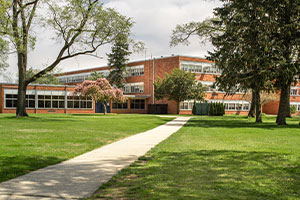
Army Substance Abuse Program (ASAP) is 4.2 miles from Wahiawa, Hawaii
Army Substance Abuse Program (ASAP) is a drug and alcohol rehab center for people residing in Wahiawa, Hawaii and its surrounding areas and struggling with a drug and alcohol use disorder . As such, it provides services like substance abuse counseling approach, matrix model, relapse prevention, anger management, cognitive/behavior therapy, trauma therapy and more, that are in line with its philosophy of the treatments that have been proved to work.
Army Substance Abuse Program (ASAP) believes in individual treatment to make sure that their patients find success and sobriety. The drug and alcohol rehab also specializes in other treatments like legal advocacy, clients referred from the court/judicial system, treatment for spanish-speaking clients, aftercare/continuing care, persons with post-traumatic stress disorder, suicide prevention services - among many others. All these services are also offered by Army Substance Abuse Program (ASAP) in a variety of settings like long term addiction treatment programs, outpatient detox facilities, outpatient substance abuse counseling, inpatient treatment facilities, short term drug addiction treatment, as well as others.
Further, it has aftercare plans and other treatment methods created to help you find lasting sobriety. These services have made sure that Army Substance Abuse Program (ASAP) has a special place within Wahiawa, Hawaii and its surrounding area, especially because they promote both positive short and long term outcomes for the clients who enroll into this addiction treatment program. Lastly, Army Substance Abuse Program (ASAP) accepts private health insurance, private pay, military insurance, sliding fee scale, county or local government funds, state corrections or juvenile justice funds and others.
Alcoholism, also known as Alcohol Use Disorder (AUD), is a chronic condition characterized by an inability to control alcohol consumption despite adverse consequences. The symptoms of alcoholism can vary among individuals but typically include a combination of physical, psychological, and behavioral signs. Some common symptoms include:
Substance abuse significantly increases the risk of suicide, particularly among vulnerable populations such as LGBTQ+ (lesbian, gay, bisexual, transgender, queer, and others) youth. This heightened risk stems from a combination of factors associated with both substance abuse and the unique challenges faced by LGBTQ+ youth. Here's a closer look at these factors:
Mental Health Disorders: Substance abuse often co-occurs with mental health disorders such as depression, anxiety, and bipolar disorder, which are known risk factors for suicide. LGBTQ+ youth experience these mental health conditions at higher rates than their heterosexual and cisgender peers, partially due to the minority stress they face.
Minority Stress: Minority stress refers to the chronic stress experienced by marginalized groups, including LGBTQ+ individuals. It can include experiences such as discrimination, stigma, bullying, and family rejection, which can increase feelings of hopelessness and contribute to both substance use and suicidal ideation.
Substance Use and Suicidal Behavior: Substance use can lead to increased impulsivity, decreased inhibition, and intensified feelings of despair, making a person more likely to attempt suicide. It can also exacerbate feelings of isolation and hopelessness, further increasing the risk.
Social Isolation: Many LGBTQ+ youth feel socially isolated, either because they are not out to their peers or because they face rejection after coming out. This isolation can lead to increased substance use and a higher risk of suicide.
Family Rejection: Family rejection related to an individual's sexual orientation or gender identity can lead to increased substance use and heightened suicide risk. LGBTQ+ youth who do not receive support from their families are particularly vulnerable.
Lack of Access to Mental Health Services: Many LGBTQ+ youth struggle to access mental health and substance use treatment services, which can help manage risk factors for suicide. Barriers to access can include lack of insurance, stigma, and a shortage of providers who offer LGBTQ+-inclusive care.
Intersectionality: LGBTQ+ youth who belong to other marginalized groups (e.g., racial/ethnic minorities) often face additional layers of discrimination and stress, which can further increase their risk of substance abuse and suicide.
Efforts to prevent suicide among LGBTQ+ youth include providing access to culturally competent mental health and substance use treatment, fostering supportive environments in schools and communities, and advocating for policies that protect LGBTQ+ youth from discrimination and harassment. It's also crucial to provide support for families of LGBTQ+ youth, as family acceptance has been shown to protect against suicide risk.
Quantifying the exact success rate of interventions for drug and alcohol addiction can be challenging due to the complex nature of addiction, variability in intervention methods and follow-up, and differences in how "success" is defined. However, studies suggest that interventions can indeed be effective in encouraging individuals to seek help for their substance use disorders.
It's important to note that the term "intervention" covers a wide range of strategies aimed at encouraging individuals to seek treatment. These can include formal interventions organized by a professional interventionist, interventions conducted by family and friends, or interventions carried out by healthcare providers.
The success of an intervention can depend on numerous factors, including:
The specific nature of the person's addiction: The type of substance used, the severity of the addiction, and the presence of co-occurring mental health disorders can all influence the effectiveness of an intervention.
The type of intervention used: Some types of interventions may be more effective than others, depending on the individual and their specific circumstances.
The involvement of a professional: Interventions led by professionals who have experience dealing with addiction can potentially have higher success rates because they have the skills and knowledge to manage complex dynamics that can arise.
The readiness of the individual: An intervention may be more successful if the person is already contemplating change or recognizes they have a problem.
While it's difficult to provide a specific success rate, it's important to understand that even if an intervention doesn't immediately result in the person seeking treatment, it can still plant a seed that leads to future change. It can increase the person's awareness of their problem and their impact on others, which can prompt them to consider treatment at a later date.
Remember, it's crucial to approach interventions with empathy, respect, and understanding, as addiction is a complex disease that often requires ongoing support and care. If you're considering an intervention, it may be helpful to consult with a healthcare provider or an addiction professional to determine the best approach.
National Non Profit Helpline - 1-877-882-9275
Our National Non Profit Helpline is a 24/7, 365-day-a-year treatment referral and information service for individuals and families faced with mental and/or substance use disorders.
All calls are strictly confidential
Our service provides referrals to licensed treatment facilities, support groups, and community-based organizations. You don't have to struggle alone with addiction. Help is just a phone call away. Call 1-877-882-9275 now to get the help you need and deserve.



© Copyright 1998 - 2022 All Rights Reserved. Content is protected under copyright laws, do not use content without written permission.

