

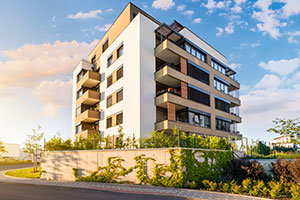
891 Ululani Street
Hilo, HI. 96720
808-930-2810
Hilo, HI has a few different treatment options: 6 low cost programs, 0 inpatient drug rehab, 4 drug rehabs that take PPO insurance like Cigna, 1 drug detox, 5 outpatient treatment programs.

For help finding an addiction treatment center, Call us!
All calls are 100% confidential and free
1-877-882-9275



HOPE Treatment Services has long been dedicated to helping its clients recovery after a period of drug and alcohol addiction. It has been doing this within Hilo and in the surrounding communities for quite some time. HOPE Treatment Services offers services like cognitive/behavior therapy, activity therapy, substance abuse counseling approach, trauma-related counseling, trauma therapy, couple/family therapy - all of which represent their treatment philosophy. HOPE Treatment Services believes that clients need individual focus and treatment for them to find full recovery treatment. This is why it offers several programs, like co-occurring mental and substance abuse disorders, suicide prevention services, clients referred from the court/judicial system, residential beds for client's children, transgender or (LGBT) clients, domestic violence - among other services listed in the following sections.
In the same way, HOPE Treatment Services offers inpatient treatment programs, short term drug rehab centers, detox centers, outpatient substance abuse counseling, long term treatment centers and others. Further, HOPE Treatment Services has relapse prevention programs that are useful in helping clients after they complete treatment. This alcohol and drug treatment program also uses treatment methods that can help you create both lasting and permanent stability.
Finally, HOPE Treatment Services accepts private medical insurance, private pay, sliding fee scale, medicaid, medicare, other state funds, state welfare or child and family services funds, as well as others.

Ku Aloha Ola Mau has long been dedicated to assisting its clients recovery after a period of alcohol and drug addiction. It has been doing this within Hilo, Hawaii and in the surrounding areas for many years now. Today, Ku Aloha Ola Mau provides services like cognitive/behavior therapy, activity therapy, substance abuse counseling approach, trauma-related counseling, trauma therapy, couple/family therapy - all of which represent their treatment philosophy. Additionally, Ku Aloha Ola Mau believes that clients need individual focus and treatment for them to find full recovery treatment. This is why it offers various programs, like co-occurring mental and substance abuse disorders, suicide prevention services, clients referred from the court/judicial system, residential beds for client's children, transgender or (LGBT) clients, domestic violence - among other services listed in the following sections.
Ku Aloha Ola Mau offers inpatient drug addiction treatment, short term drug and alcohol rehab programs, outpatient detoxification facilities, outpatient hospital programs, long term rehabs and others. Further, Ku Aloha Ola Mau has continued recovery programs that are useful in helping clients after they check out of rehab. This drug and alcohol rehab program also uses treatment types that can help you achieve and maintain a full recovery.
Finally, Ku Aloha Ola Mau accepts private health insurance, cash or self-payment, sliding fee scale, medicare, medicaid, other state funds, state welfare or child and family services funds, as well as others.

Yes, a person struggling with drug addiction can certainly change. It's important to understand that addiction is a chronic, but treatable, disease. Like other chronic diseases, it's not about a "cure" but about managing the condition effectively.
Overcoming addiction typically involves a combination of self-awareness, willingness to change, support, and professional treatment. A key part of the process is the individual's motivation to improve their life and overcome their dependency on substances.
However, recovery from addiction often involves setbacks and challenges. The process can be difficult and time-consuming, requiring substantial personal commitment and support from others. Professional treatment can take several forms, including detoxification, medication-assisted therapy, counseling, and support groups.
Many people who were once addicted to drugs have gone on to live productive, healthy, and fulfilling lives. The journey to recovery is often a lifelong process of maintaining sobriety and managing triggers and cravings.
While change is indeed possible for someone struggling with addiction, it is typically a complex process requiring substantial effort, support, and treatment.
Drug addiction can have far-reaching consequences not only for the individual struggling with substance use, but also for their family unit. Family members may experience various emotional, social, and financial challenges as a result of a loved one's addiction. Some of the ways drug addiction can impact the family unit include:
Several medications have been approved by the U.S. Food and Drug Administration (FDA) for the treatment of addiction to alcohol and certain types of drugs. The specific medication used can depend on the substance the person is addicted to, their overall health, and other individual factors. Here are a few examples:
For Alcohol Addiction:
For Opioid Addiction:
For Nicotine Addiction:
National Non Profit Helpline - 1-877-882-9275
Our National Non Profit Helpline is a 24/7, 365-day-a-year treatment referral and information service for individuals and families faced with mental and/or substance use disorders.
All calls are strictly confidential
Our service provides referrals to licensed treatment facilities, support groups, and community-based organizations. You don't have to struggle alone with addiction. Help is just a phone call away. Call 1-877-882-9275 now to get the help you need and deserve.



© Copyright 1998 - 2022 All Rights Reserved. Content is protected under copyright laws, do not use content without written permission.
