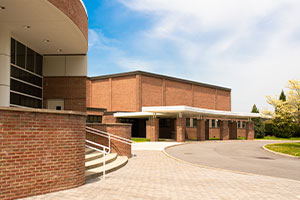
99-600 Kulawea Street
Aiea, HI. 96701
808-848-2494
Aiea, HI has nearby choices for addiction treatment including: 1 medicare program, 0 inpatient drug rehab, 2 drug rehabs that take PPO insurance like Aetna, 1 drug and alcohol detox, 4 outpatient rehabs.

For help finding an addiction treatment center, Call us!
All calls are 100% confidential and free
1-877-882-9275




Hawaii Counseling and Education Ctr has been offering recovery rehab to individuals who live in Aiea and who are struggling with alcohol and drug use issues. As such, Hawaii Counseling and Education Ctr offers a array of services such as group therapy, trauma-related counseling, dual diagnosis drug rehab, anger management, motivational interviewing, activity therapy and others applying its unique philosophy of evidence based approaches to addiction treatment.
This rehab facility also believes that each client benefits most from individualized services. Because of this, it has been specializing in a wide variety of personalized treatments like aftercare/continuing care, treatment for spanish-speaking clients, legal advocacy, housing services, domestic violence, residential beds for client's children and more. In the same way, this alcohol and drug treatment facility provides these services in the following settings - long term treatment facilities, short term drug and alcohol rehab facilities, intensive outpatient treatment, outpatient detoxification centers, inpatient drug abuse treatment and more.
Hawaii Counseling and Education Ctr also ensures lasting sobriety and stability by promoting a robust aftercare program. Lastly, Hawaii Counseling and Education Ctr accepts these forms of payment - including cash or self-payment, private medical insurance, payment assistance, medicaid, medicare, access to recovery (atr) voucher, county or local government funds and others.



Department of Veterans Affairs is 3 miles from Aiea, Hawaii
Department of Veterans Affairs has been providing addiction care to people who live in and around Aiea, Hawaii and who are battling with drug and alcohol abuse disorders. As such, Department of Veterans Affairs offers a array of services such as group therapy, trauma-related counseling, dual diagnosis drug rehab, anger management, motivational interviewing, activity therapy and others using its unique philosophy of evidence based approaches to addiction recovery and treatment.
This facility also believes that results are best achieved by providing individual services to each client. To this end, it has been specializing in a wide assortment of personalized treatments like aftercare/continuing care, treatment for spanish-speaking clients, legal advocacy, housing services, domestic violence, residential beds for client's children and more. In the same way, this addiction treatment center offers these treatments in the following settings - long term drug rehab facilities, short term rehab centers, outpatient individual counseling, outpatient detox centers, inpatient drug rehab centers and more.
Department of Veterans Affairs also ensures lasting sobriety and stability by promoting a robust aftercare program. Lastly, Department of Veterans Affairs accepts these forms of payment - including cash or self-payment, private health insurance, payment assistance, medicaid, medicare, access to recovery (atr) voucher, county or local government funds and others.
"Protecting children in a substance-abusing family can be a significant challenge. Here are several steps that can be taken to ensure the safety and well-being of children in such circumstances:
Recognize the Problem: The first step in protecting children is acknowledging the issue. Denying the existence of substance abuse can lead to further harm.
Prioritize Child's Safety: If the substance abuse is causing dangerous situations, the child's safety must come first. This might mean making difficult decisions, such as temporary separation from the substance-abusing family member.
Seek Professional Help: Reach out to professionals who can guide you through this situation. Social workers, psychologists, and addiction specialists can provide valuable assistance and resources.
Encourage and Support Treatment: If the person with the addiction is willing, encourage them to seek professional help. Therapy, rehab, and support groups can all be beneficial.
Educate the Child: Age-appropriate education about drug and alcohol abuse can be helpful. This can help them understand it's not their fault and that the substance abuse is a disease.
Provide a Stable Environment: Create an environment that provides as much stability and routine as possible. This can help the child feel more secure amidst the chaos that substance abuse can bring.
Offer Emotional Support: Make sure the child knows they can express their feelings and fears to you. Validating their feelings and offering comfort is crucial.
Seek Support for the Child: Counseling or support groups specifically for children of substance abusers can provide them with tools to cope.
Report Neglect or Abuse: If the substance abuse leads to neglect or abuse, it must be reported to local child protective services. This can be a painful step, but it's necessary to ensure the child's safety.
Encourage Healthy Coping Mechanisms: Teach the child healthy ways to handle their emotions, such as through art, music, journaling, sports, or talking about their feelings.
Physical symptoms: Some common physical symptoms of fentanyl use include drowsiness, constricted pupils, slurred speech, shallow or slow breathing, and decreased coordination. You may also notice itching, flushed skin, or sweating.
Behavioral changes: Fentanyl use can result in changes in behavior, such as increased secrecy, social withdrawal, or unexplained absences. You may notice a shift in mood or energy levels, as well as a decline in personal hygiene or appearance.
Sleep patterns: Fentanyl can cause sedation and changes in sleep patterns. If your loved one is sleeping more than usual, experiencing difficulty waking up, or nodding off at inappropriate times, it may be a sign of fentanyl use.
Gastrointestinal issues: Fentanyl, like other opioids, can cause gastrointestinal side effects such as constipation, nausea, and vomiting. If your loved one is experiencing these issues without an apparent cause, it may be a sign of fentanyl use.
Paraphernalia: Finding drug paraphernalia, such as syringes, small plastic bags, or spoons with burn marks, may indicate fentanyl use. Fentanyl is often sold as a powder or in counterfeit pills, so be alert for unfamiliar pills or powders in your loved one's possession.
Unexplained financial problems: Fentanyl use can result in financial difficulties due to the cost of obtaining the drug. If your loved one is experiencing unexplained financial issues or frequently requesting money, it could be a sign of fentanyl use.
Changes in social circles: A shift in your loved one's social circle or a sudden disinterest in activities they once enjoyed may indicate fentanyl use, as they may be prioritizing drug use over other aspects of their life.
"People with substance use disorders engage in their behavior for various reasons, often complex and interconnected. Understanding these reasons is crucial to treating addiction. Here are some common factors:
Pleasure Seeking: Drugs often produce intense feelings of pleasure, euphoria, or relief from pain. The initial high can be so powerful that individuals continue using the substance to experience that feeling again.
Escape or Self-Medication: Many people use drugs as a way to escape from reality or cope with difficult feelings, trauma, stress, or mental health conditions such as anxiety, depression, or PTSD. Drugs can temporarily dull these feelings, but they do not address the root cause of the distress.
Physical Dependence: Over time, the body can develop a physical dependence on the substance, requiring it to function normally. Without the substance, the individual may experience unpleasant or even life-threatening withdrawal symptoms.
Psychological Dependence: Even after physical dependence is managed, psychological cravings can persist. The desire to use drugs can become a powerful mental urge that dominates a person's thoughts and behaviors.
Peer Pressure or Social Influence: The influence of friends or social circles where drug use is common can encourage initial use or ongoing abuse of drugs.
Genetic Factors and Early Exposure: Genetics can play a role in vulnerability to addiction, as can exposure to drugs at a young age or in the prenatal period.
Lack of Coping Mechanisms: Without healthy coping strategies for life's stresses and challenges, some people turn to drugs as a way of dealing with these issues.
Changes in Brain Function: Long-term substance use can lead to changes in the brain that result in increased cravings and decreased ability to resist drug use, despite harmful consequences.
National Non Profit Helpline - 1-877-882-9275
Our National Non Profit Helpline is a 24/7, 365-day-a-year treatment referral and information service for individuals and families faced with mental and/or substance use disorders.
All calls are strictly confidential
Our service provides referrals to licensed treatment facilities, support groups, and community-based organizations. You don't have to struggle alone with addiction. Help is just a phone call away. Call 1-877-882-9275 now to get the help you need and deserve.



© Copyright 1998 - 2022 All Rights Reserved. Content is protected under copyright laws, do not use content without written permission.
