St. George, UT Alcohol and Drug Rehab Programs
St. George, UT has a multitude of treatment options including: 10 low cost treatment centers, 3 inpatient treatment centers, 9 drug rehabs that take PPO insurance like Cigna, 3 drug detox, 10 outpatient treatment programs.
Get Help - Find a Rehab Center Today
Popular Searches for Drug and Alcohol Rehab in St. George, Utah:
Skip To Rehab Listing
Even so, for people struggling with drug and alcohol addiction problems, St. George can also offer workable solutions in the form of 36 addiction treatment programs intended to help patients in their recoveries.
Alcohol and Drug Treatment Methods and Settings
St. George area residents who have a problem with addiction have many treatment settings available to them, such as the following: short term rehab facilities, inpatient detox programs, inpatient drug rehab facilities, long term treatment facilities, outpatient hospital programs.
These rehabilitation programs make alcohol and drug rehab easy to access, with convenient locations and numerous different rehabilitation modalities from which to choose, including these listed here: trauma-related counseling, brief intervention approach, activity therapy, dialectical behavior therapy, individual psychotherapy, 12-step facilitation approach.
Special Programs for Substance Abuse Recovery
Alcohol and drug addiction affects every individual differently. In order to address these differences and deliver a more customized treatment, drug and alcohol rehab programs in St. George provide a number of special programs for clients such as: legal advocacy, active duty military, self-help groups, veterans, transgender or (LGBT) clients, social skills development.
Patients who feel they may benefit from these special programs can explore them with the treatment center to receive help that is meant to increase the chances of lasting recovery.
Rehab Payment Options
Residents of St. George come from varied financial situations, making it vital for treatment programs to provide various payment alternatives that place treatment within financial reach. Patients can expect to get financing options at close by alcohol and drug rehabilitation programs such as the following: private insurance, private pay, military insurance, sliding fee scale, other state funds, state corrections or juvenile justice funds.
Regardless of a client's economic status, money should not be an obstacle to recovery. Alcohol and drug rehabs guide individuals through their payment alternatives and help them pinpoint a way to pay for their rehab.
The goal of multiple rehab centers, approaches, programs, and payment alternatives is that treatment for drug and alcohol addiction is accessible for as many people who need it.
Dr. Gina M Jansheski, M.D.

Dr. Po-Chang Hsu, M.D., M.S.

Renee Warmbrodt, RN, MSN, CPNP-PC

Alcohol and Drug Treatment Facilities Serving the St. George, Utah Area:
 260 West Saint George Boulevard
St. George, UT. 84770
435-673-2822
Lions Gate Recovery is dedicated to helping anyone with an alcohol or drug use problem in the St. George, UT. area find complete recovery. It provides several programs - such as short term addiction treatment programs, inpatient detox facilities, inpatient drug and alcohol rehabs, long term rehab centers, outpatient substance abuse treatment services and others - in keeping with its belief of the addiction care and rehabilitation modalities that are effective in recovery. This alcohol and drug rehab also believes that clients need individual treatment and care to be able to maintain their sobriety.
As such, Lions Gate Recovery has specialized in trauma-related counseling, brief intervention approach, activity therapy, dialectical behavior therapy, individual psychotherapy, 12-step facilitation approach and more. Similarly, it accepts patients who are legal advocacy, active duty military, self-help groups, veterans, transgender or (LGBT) clients, social skills development, and others. This alcohol and drug rehab program uses treatment modalities that can help clients to maintain abstinence from the substances of abuse that they have used in the past.
In terms of payment, clients in Lions Gate Recovery can pay for services using private medical insurance, cash or self-payment, military insurance, sliding fee scale, other state funds, state corrections or juvenile justice funds and others.
 1085 South Bluff Street
St. George, UT. 84770
435-674-9999
Steps Recovery Center is dedicated to assisting anyone with a drug or alcohol abuse problem in St. George, Utah and its surrounding areas find full recovery. It provides several programs - such as short term drug rehab centers, outpatient detoxification facilities, inpatient drug rehab programs, long term drug and alcohol rehab centers, outpatient substance abuse treatment services and others - in line with its philosophy of the recovery treatment and rehab modalities that work in recovery. This addiction treatment center also believes that people require individual treatment to be able to stop abusing drugs and alcohol.
As such, Steps Recovery Center has specialized in trauma-related counseling, brief intervention approach, activity therapy, dialectical behavior therapy, individual psychotherapy, 12-step facilitation approach and more. At the same time, it accepts patients who are legal advocacy, active duty military, self-help groups, veterans, transgender or (LGBT) clients, social skills development, and others. This alcohol and drug rehab program uses care modalities that can help patients to maintain lasting and permanent abstinence from the substances of abuse that they have used in the past.
In terms of payment, clients in Steps Recovery Center can pay for services using private insurance, private pay, military insurance, sliding fee scale, other state funds, state corrections or juvenile justice funds and others.
 720 South River Road
St. George, UT. 84790
801-674-2628
Zion Recovery Center is committed to helping anyone with an alcohol or drug use issue in St. George, Utah and its surrounding areas find complete recovery. It offers several programs - such as short term rehabs, inpatient detoxification centers, inpatient rehabs, long term rehabs, outpatient individual counseling and others - in keeping with its belief of the addiction treatment and rehabilitation methods that are effective in recovery. This drug and alcohol rehab program also believes that people need individual treatment to be able to maintain their sobriety.
As such, Zion Recovery Center has specialized in trauma-related counseling, brief intervention approach, activity therapy, dialectical behavior therapy, individual psychotherapy, 12-step facilitation approach and more. At the same time, it accepts clients who are legal advocacy, active duty military, self-help groups, veterans, transgender or (LGBT) clients, social skills development, and others. This drug and alcohol rehab facility uses care modalities that can help clients to maintain lasting and permanent sobriety and abstinence from the substances of abuse that they have used in the past.
In terms of payment, clients in Zion Recovery Center can pay for services using private medical insurance, cash or self-payment, military insurance, sliding fee scale, other state funds, state corrections or juvenile justice funds and others.
 166 North 300 West
St. George, UT. 84770
435-879-3754
Counseling for Success Inc is dedicated to helping any person with an alcohol or drug use problem in the St. George, UT. area find complete recovery. It offers several programs - such as short term treatment facilities, detox programs, inpatient drug and alcohol rehab programs, long term rehabs, outpatient hospital programs and others - in keeping with its belief of the addiction treatment and rehab methods that are effective in recovery. This drug and alcohol rehab center also believes that people require individual treatment to be able to stop abusing drugs and alcohol.
As such, Counseling for Success Inc specializes in trauma-related counseling, brief intervention approach, activity therapy, dialectical behavior therapy, individual psychotherapy, 12-step facilitation approach and more. Similarly, it accepts patients who are legal advocacy, active duty military, self-help groups, veterans, transgender or (LGBT) clients, social skills development, and others. This alcohol and drug rehab program uses treatment modalities that can help patients to achieve sobriety from the substances of abuse that they have used in the past.
In terms of payment, clients in Counseling for Success Inc can pay for services using private medical insurance, private pay, military insurance, sliding fee scale, other state funds, state corrections or juvenile justice funds and others.
 1240 East 100 South
St. George, UT. 84790
435-652-1202
TurningLeaf Wellness Center is dedicated to assisting anyone with a drug or alcohol use problem in the local community find complete recovery. It provides several programs - such as short term drug and alcohol rehab centers, outpatient detoxification programs, inpatient drug and alcohol rehabs, long term rehab centers, outpatient substance abuse treatment services and others - in keeping with its belief of the addiction treatment and rehabilitation methods that are effective in recovery. This alcohol and drug rehab facility also believes that clients need individual care and treatment to be able to stop abusing drugs and alcohol.
As such, TurningLeaf Wellness Center specializes in trauma-related counseling, brief intervention approach, activity therapy, dialectical behavior therapy, individual psychotherapy, 12-step facilitation approach and more. At the same time, it accepts patients who are legal advocacy, active duty military, self-help groups, veterans, transgender or (LGBT) clients, social skills development, and others. This alcohol and drug treatment facility uses care modalities that can assist clients to achieve lasting and permanent sobriety and abstinence from the substances abused in the past.
In terms of payment, clients in TurningLeaf Wellness Center can pay for services using private health insurance, cash or self-payment, military insurance, sliding fee scale, other state funds, state corrections or juvenile justice funds and others.
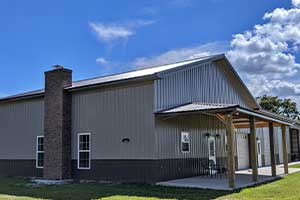 474 West 200 North Street
St. George, UT. 84770
435-634-5600
Assisting clients, families, and communities in preventing and recovering from mental illness and addiction.
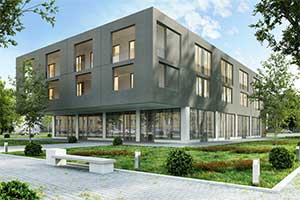 770 East Saint George Boulevard
St. George, UT. 84770
435-674-0984
Cinnamon Hills Youth Crisis Center is among the foremost behavioral health centers specially servicing teenagers who are in a state of crisis in their lives.
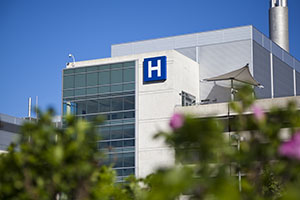 620 South 400 East
St. George, UT. 84770
435-656-8918
Saint George Metro Treatment Center is committed to helping anyone with an alcohol or drug use issue in St. George and within the surrounding neighborhoods find complete recovery. It offers several services - such as short term addiction treatment programs, detox facilities, inpatient drug abuse treatment, long term drug rehab facilities, outpatient substance abuse counseling and others - in line with its belief of the recovery treatment and rehabilitation modalities that are effective in recovery. This alcohol and drug rehab center also believes that clients require individual treatment to be able to maintain their sobriety.
As such, Saint George Metro Treatment Center specializes in trauma-related counseling, brief intervention approach, activity therapy, dialectical behavior therapy, individual psychotherapy, 12-step facilitation approach and more. Similarly, it accepts patients who are legal advocacy, active duty military, self-help groups, veterans, transgender or (LGBT) clients, social skills development, and others. This alcohol and drug treatment facility uses care methods that can help patients to achieve abstinence from the substances of abuse that they have used in the past.
In terms of payment, clients in Saint George Metro Treatment Center can pay for services using private medical insurance, private pay, military insurance, sliding fee scale, other state funds, state corrections or juvenile justice funds and others.
 640 East 700 South
St. George, UT. 84770
435-673-1004
True North Recovery and Wellness is committed to helping any person with a drug or alcohol use problem in the local community find complete recovery. It offers several programs - such as short term drug and alcohol rehab programs, outpatient detox programs, inpatient treatment programs, long term rehab programs, outpatient hospital programs and others - in keeping with its philosophy of the addiction treatment and rehabilitation methods that are effective in recovery. This alcohol and drug rehab program also believes that clients need individual treatment to be able to stop abusing drugs and alcohol.
As such, True North Recovery and Wellness has specialized in trauma-related counseling, brief intervention approach, activity therapy, dialectical behavior therapy, individual psychotherapy, 12-step facilitation approach and more. At the same time, it accepts patients who are legal advocacy, active duty military, self-help groups, veterans, transgender or (LGBT) clients, social skills development, and others. This addiction treatment center uses treatment modalities that can assist patients to maintain lasting and permanent abstinence from the substances abused in the past.
In terms of payment, clients in True North Recovery and Wellness can pay for services using private medical insurance, private pay, military insurance, sliding fee scale, other state funds, state corrections or juvenile justice funds and others.
 230 North 1680 East
St. George, UT. 84790
435-610-1696 x2
Premier Counseling Services is dedicated to helping any person with a drug or alcohol use issue in St. George and within the surrounding neighborhoods find full recovery. It provides several programs - such as short term treatment centers, inpatient detoxification facilities, inpatient drug and alcohol rehabs, long term drug and alcohol rehab centers, intensive outpatient treatment and others - in keeping with its belief of the addiction treatment and rehab methods that are effective in recovery. This alcohol and drug treatment facility also believes that clients require individual care and treatment to be able to maintain their sobriety.
As such, Premier Counseling Services specializes in trauma-related counseling, brief intervention approach, activity therapy, dialectical behavior therapy, individual psychotherapy, 12-step facilitation approach and more. Similarly, it accepts clients who are legal advocacy, active duty military, self-help groups, veterans, transgender or (LGBT) clients, social skills development, and others. This alcohol and drug rehab program uses care methods that can help clients to achieve lasting and permanent sobriety from the substances of abuse that they have used in the past.
In terms of payment, clients in Premier Counseling Services can pay for services using private health insurance, private pay, military insurance, sliding fee scale, other state funds, state corrections or juvenile justice funds and others.
 491 East Riverside Drive
St. George, UT. 84790
435-703-9840
Renaissance Recovery is committed to helping anyone with a drug or alcohol use disorder in St. George, Utah and its surrounding areas find full recovery. It provides several services - such as short term treatment facilities, inpatient detox facilities, inpatient rehabs, long term treatment centers, outpatient individual counseling and others - in line with its belief of the addiction treatment and rehabilitation modalities that work in recovery. This alcohol and drug treatment facility also believes that clients need individual treatment and care to be able to maintain their sobriety.
As such, Renaissance Recovery has specialized in trauma-related counseling, brief intervention approach, activity therapy, dialectical behavior therapy, individual psychotherapy, 12-step facilitation approach and more. At the same time, it accepts patients who are legal advocacy, active duty military, self-help groups, veterans, transgender or (LGBT) clients, social skills development, and others. This drug and alcohol rehab facility uses treatment methods that can help clients to achieve sobriety and abstinence from the substances of abuse that they have used in the past.
In terms of payment, clients in Renaissance Recovery can pay for services using private insurance, private pay, military insurance, sliding fee scale, other state funds, state corrections or juvenile justice funds and others.
 3638 Sugar Leo Road
St. George, UT. 84790
435-673-1086
Steps Recovery Center at is committed to assisting anyone with an alcohol or drug abuse disorder in St. George and within the surrounding neighborhoods find full recovery. It provides several services - such as short term drug treatment, detox centers, inpatient drug rehab programs, long term drug and alcohol rehabs, outpatient counseling and others - in line with its belief of the addiction treatment and rehabilitation modalities that work in recovery. This alcohol and drug rehab also believes that people require individual care and treatment to be able to maintain their sobriety.
As such, Steps Recovery Center at has specialized in trauma-related counseling, brief intervention approach, activity therapy, dialectical behavior therapy, individual psychotherapy, 12-step facilitation approach and more. Similarly, it accepts patients who are legal advocacy, active duty military, self-help groups, veterans, transgender or (LGBT) clients, social skills development, and others. This drug and alcohol rehabilitation program uses care modalities that can help clients to maintain lasting and permanent sobriety from the substances of abuse that they have used in the past.
In terms of payment, clients in Steps Recovery Center at can pay for services using private medical insurance, private pay, military insurance, sliding fee scale, other state funds, state corrections or juvenile justice funds and others.
Find Drug and Alcohol Treatment Centers in or around the following Utah cities:
Top Cities For Recovery:
Commonly Asked Questions about Addiction and Treatment
What does drug addiction do to a person?
Drug addiction, also known as Substance Use Disorder (SUD), is a complex condition that affects an individual's brain and behavior, leading to an inability to control the use of drugs despite harmful consequences. Drug addiction can impact a person in various ways, including physical, psychological, social, and emotional aspects of their life. Some of the effects of drug addiction include:
- Physical health problems: Chronic drug use can lead to numerous health issues, ranging from mild to severe. These may include weakened immune system, cardiovascular problems, liver damage, lung diseases, kidney damage, and increased risk of infectious diseases, such as HIV and Hepatitis C.
- Mental health issues: Drug addiction often co-occurs with mental health disorders, such as depression, anxiety, and bipolar disorder. Substance use can exacerbate existing mental health conditions or lead to the development of new ones.
- Cognitive impairment: Prolonged drug use can impair cognitive functions, such as memory, attention, decision-making, and problem-solving skills. This can impact an individual's ability to function effectively in daily life and may result in poor academic or work performance.
- Emotional instability: Drug addiction can lead to emotional instability, mood swings, and increased irritability, which can strain personal relationships and affect overall well-being.
- Social isolation: Individuals with drug addiction may withdraw from social activities, hobbies, or relationships, leading to isolation and loneliness. They may also prioritize drug-seeking behaviors over other aspects of their life, further damaging social connections.
- Financial difficulties: The cost of obtaining drugs, combined with reduced work performance or job loss, can lead to financial strain and potentially result in homelessness or dependence on others for support.
- Legal problems: Drug addiction may increase the likelihood of engaging in illegal activities, such as theft or drug trafficking, to support drug use. This can lead to arrest, incarceration, or other legal consequences.
- Increased risk of overdose: Chronic drug use increases the risk of accidental overdose, which can result in severe health complications or death.
- Family and relationship issues: Drug addiction can strain family relationships and lead to instability within the household, as well as negatively impact the emotional and physical well-being of children in the family.
What are the best options to treat drug and alcohol addiction?
Detoxification: The first step in treating addiction is often detoxification, which involves clearing the body of the substance while managing withdrawal symptoms. This process should be supervised by medical professionals in a controlled environment to ensure safety and comfort.
Medication-assisted treatment (MAT): MAT combines behavioral therapy with medications to address the physical aspects of addiction. For example, medications such as methadone, buprenorphine, and naltrexone can be used to treat opioid addiction, while disulfiram, acamprosate, and naltrexone may be prescribed for alcohol addiction.
Inpatient treatment: Inpatient or residential treatment programs provide a structured environment with 24-hour care and support. These programs typically offer a combination of individual therapy, group therapy, and educational sessions to address the various aspects of addiction and recovery.
Outpatient treatment: Outpatient programs allow individuals to receive treatment while maintaining their daily responsibilities, such as work or school. These programs typically involve regular therapy sessions, support groups, and may also include medication management.
Cognitive-behavioral therapy (CBT): CBT is a widely used therapy that helps individuals identify and change unhealthy thought patterns and behaviors related to substance use. CBT teaches coping skills and strategies for managing cravings and preventing relapse.
Motivational interviewing: Motivational interviewing is a client-centered approach that helps individuals explore their ambivalence about change and strengthen their motivation to engage in the recovery process.
Contingency management: Contingency management uses positive reinforcement, such as rewards or incentives, to encourage abstinence from substances and promote healthy behaviors.
Family therapy: Family therapy involves working with the individual and their family members to address relationship issues and improve communication. This approach recognizes the role of the family in supporting recovery and aims to create a healthier family dynamic.
Support groups: Participation in support groups, such as Alcoholics Anonymous (AA) or Narcotics Anonymous (NA), can provide peer support and encouragement throughout the recovery process. These groups offer a community of individuals with similar experiences who can share their stories and coping strategies.
Aftercare and relapse prevention: Long-term success in recovery often involves ongoing aftercare, which may include regular therapy sessions, support group meetings, and development of a relapse prevention plan. This plan helps individuals identify potential triggers and develop strategies to cope with cravings and high-risk situations.
How do you help a person afflicted with alcoholism?
Helping someone afflicted with alcoholism requires a compassionate and supportive approach. The following steps can be useful in assisting an individual struggling with alcohol addiction:
-
Educate yourself: Gain an understanding of alcoholism, its causes, symptoms, and treatment options. This will help you better empathize with the person and offer informed support.
-
Express concern: Initiate a conversation with the person in a non-confrontational manner. Express your concerns about their alcohol use and its impact on their well-being. Be patient, empathetic, and avoid judgmental language.
-
Encourage professional help: Encourage the person to seek help from a medical professional, therapist, or addiction counselor. Offer assistance in finding appropriate resources and support them in taking the first steps towards treatment.
-
Offer emotional support: Be available to listen and provide emotional support throughout the recovery process. It is essential to maintain open lines of communication and offer a safe space for the individual to share their experiences and feelings.
-
Encourage participation in support groups: Recommend joining support groups such as Alcoholics Anonymous (AA) or SMART Recovery, which provide a community of individuals with similar experiences and can offer guidance and encouragement throughout the recovery process.
-
Establish boundaries: Set clear boundaries to protect your own well-being and communicate your expectations about the person's behavior. Be firm but understanding, and make it clear that you will not enable their alcohol use.
-
Assist with lifestyle changes: Help the person develop healthier habits, such as engaging in physical activity, improving their diet, and finding alternative ways to manage stress. Offer to participate in these activities together to provide additional support and motivation.
-
Be patient: Recovery from alcoholism is a long-term process, and relapses may occur. Understand that setbacks are a part of the journey, and continue to offer support and encouragement as the person works towards sobriety.
-
Care for yourself: Supporting someone with alcoholism can be emotionally taxing. Make sure you are taking care of your own mental and emotional health by seeking support from friends, family, or professional counselors if needed.
National Non Profit Helpline - 1-877-882-9275
Our National Non Profit Helpline is a 24/7, 365-day-a-year treatment referral and information service for individuals and families faced with mental and/or substance use disorders.
All calls are strictly confidential
Our service provides referrals to licensed treatment facilities, support groups, and community-based organizations. You don't have to struggle alone with addiction. Help is just a phone call away. Call 1-877-882-9275 now to get the help you need and deserve.
1-877-882-9275







