Drug and Alcohol Rehab Programs in Riverton, Utah
Riverton, UT has several nearby treatment choices including: 2 medicaid treatment centers, 2 inpatient treatment centers, 4 drug rehabs that take PPO insurance like Aetna, 2 drug detox, 2 outpatient rehabs.
Get Help - Find a Rehab Center Today
Popular Searches for Drug and Alcohol Rehab in Riverton, Utah:
Skip To Rehab Listing
Alcohol and Drug Treatment Facility Settings and Rehabilitation Techniques in Riverton
Those in Riverton who have a drug and alcohol abuse issue have multiple nearby treatment programs from which they can choose like: outpatient detoxification programs, outpatient substance abuse treatment services, inpatient rehab facilities, short term treatment facilities, long term drug and alcohol rehab programs
Also, individuals can pick from a range of methods for their recovery in order to obtain the most effective care, such as: trauma-related counseling, relapse prevention, group therapy, dialectical behavior therapy, contingency management/motivational incentive, dual diagnosis drug rehab
Special Programs for Addiction Recovery
Alcohol and drug rehab programs in Riverton can also address a patient's individual substance abuse rehab needs through a variety of special services. These programs can consist of the following: persons with eating disorders, persons with post-traumatic stress disorder, seniors or older adults, transgender or (LGBT) clients, co-occurring mental and substance abuse disorders, clients referred from the court/judicial system
Treatment Payment Options
The cost of addiction treatment can be a concern for a lot of patients and their loved ones. That is why local alcohol and drug rehabs provide several payment options that cater to the various financial situations of patients. Here are some of the forms of payment accepted by these rehab programs: private pay, private medical insurance, military insurance, payment assistance, state corrections or juvenile justice funds, access to recovery (atr) voucher
On many occasions, these facilities will work with patients to identify the best payment method for their needs.
Those who struggle with alcohol and drug abuse can receive effective care in Riverton, UT. via a broad range of rehabilitation programs, treatment approaches, specialized programs, and payment options. The scope of choice makes drug and alcohol rehab possible for many local residents in need.
Dr. Gina M Jansheski, M.D.

Dr. Po-Chang Hsu, M.D., M.S.

Renee Warmbrodt, RN, MSN, CPNP-PC

Drug and Alcohol Treatment Facilities Serving the Riverton, Utah Area:
 11978 South Redwood Road
Riverton, UT. 84065
801-679-3921
Redwood Recovery is dedicated to assisting the residents of Riverton, Utah and the surrounding areas to recovering from the problems and issues that arrive from drug an/or alcohol abuse. Because of this, Redwood Recovery offers a wide array of services in line with their belief of treatments that work - including outpatient detoxification facilities, outpatient substance abuse treatment services, inpatient drug addiction treatment, short term treatment facilities, long term treatment centers and others.
Redwood Recovery also feels that it is important that every individual gets specific treatments that are tailored to their needs to help ensure treatment is a success. This is why it is specialized in a wide variety of treatment methods, including trauma-related counseling, relapse prevention, group therapy, dialectical behavior therapy, contingency management/motivational incentive, dual diagnosis drug rehab and others. Additionally, Redwood Recovery is specialized in persons with eating disorders, persons with post-traumatic stress disorder, seniors or older adults, transgender or (LGBT) clients, co-occurring mental and substance abuse disorders, clients referred from the court/judicial system, as well as other special programs. In general, the treatment methods that this substance abuse treatment center uses can provide the level of stability that is as permanent as it is lasting.
Lastly, Redwood Recovery accepts private pay, private medical insurance, military insurance, payment assistance, state corrections or juvenile justice funds, access to recovery (atr) voucher and more.
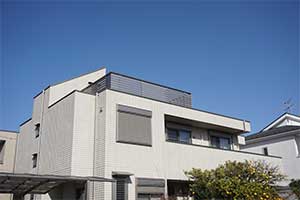 12427 South Pasture Road
Riverton, UT. 84065
801-727-8744
Valley Mental Health Inc is devoted to helping the residents of Riverton and the surrounding areas to getting their life back after struggling with substance abuse. Because of this, Valley Mental Health Inc offers a wide assortment of services in line with their belief of treatments that work - including inpatient detoxification facilities, outpatient day treatment, inpatient treatment programs, short term drug addiction treatment, long term treatment facilities and others.
Valley Mental Health Inc also feels that it is crucial that every individual gets specific treatments that are tailored to their needs to help ensure treatment is a success. This is why it is specialized in a wide variety of treatment modalities, including trauma-related counseling, relapse prevention, group therapy, dialectical behavior therapy, contingency management/motivational incentive, dual diagnosis drug rehab and others. In addition, Valley Mental Health Inc is specialized in persons with eating disorders, persons with post-traumatic stress disorder, seniors or older adults, transgender or (LGBT) clients, co-occurring mental and substance abuse disorders, clients referred from the court/judicial system, as well as other special programs. In general, the treatment methods that this alcohol and drug rehab program uses strive to achieve true and lasting sobriety for each of its clients.
Lastly, Valley Mental Health Inc accepts private pay, private medical insurance, military insurance, payment assistance, state corrections or juvenile justice funds, access to recovery (atr) voucher and more.
 2973 West 13800 South
Riverton, UT. 84065
801-545-0406
Renaissance Ranch - Treating addictions through Christ-centered principles and clinically proven solutions.
Renew Wellness and Recovery
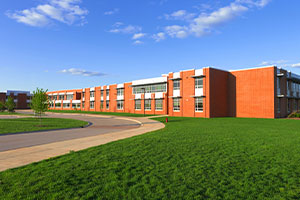 13727 South Rocky Point Drive
Herriman, UT. 84096
801-890-1000
Renew Wellness and Recovery is 1.3 miles from Riverton, UT
Renew Wellness and Recovery is dedicated to assisting the residents of Riverton, UT. and the surrounding areas to recovering from the problems and issues that arrive from drug an/or alcohol abuse. Renew Wellness and Recovery provides a wide array of services in line with their philosophy of treatments that work - including outpatient detox programs, outpatient substance abuse counseling, inpatient rehab centers, short term drug and alcohol rehabs, long term addiction treatment centers and others.
Renew Wellness and Recovery also feels that it is crucial that every individual client gets specific treatments that are tailored to their needs to help ensure treatment is a success. This is why it is specialized in a wide variety of treatment methods, including trauma-related counseling, relapse prevention, group therapy, dialectical behavior therapy, contingency management/motivational incentive, dual diagnosis drug rehab and others. In addition, Renew Wellness and Recovery is specialized in persons with eating disorders, persons with post-traumatic stress disorder, seniors or older adults, transgender or (LGBT) clients, co-occurring mental and substance abuse disorders, clients referred from the court/judicial system, as well as other special programs. In general, the treatment services that this addiction treatment facility uses can provide the level of stability that is as permanent as it is lasting.
Lastly, Renew Wellness and Recovery accepts cash or self-payment, private medical insurance, military insurance, payment assistance, state corrections or juvenile justice funds, access to recovery (atr) voucher and more.
Find Drug and Alcohol Treatment Centers in or around the following Utah cities:
Top Cities For Recovery:
Commonly Asked Questions about Addiction and Treatment
What is the first step I must take to get sober?
The journey to sobriety begins with recognizing that there's a problem and deciding to make a change. Here are the steps you might consider:
Admitting the Problem: The first step towards getting sober is acknowledging that your substance use is causing problems in your life and that you need to make a change. This step can be challenging, as it requires honesty and self-reflection.
Seeking Help: Once you've recognized the problem, the next step is to reach out for help. This could involve talking to a trusted friend or family member, a healthcare provider, or a mental health professional. They can offer support and guidance as you navigate your next steps.
Assessment and Diagnosis: A healthcare professional, such as a doctor or a counselor specializing in addiction, can provide a comprehensive evaluation to understand the extent of your substance use and any co-occurring mental health conditions. This assessment will help guide your treatment plan.
Detoxification: If you're physically dependent on a substance, medically supervised detoxification may be necessary. This process manages the acute physical symptoms of withdrawal that occur when you stop taking the substance.
Treatment Plan: Based on your assessment, a personalized treatment plan will be created. This could involve a combination of individual counseling, group therapy, medication-assisted treatment, and supportive care. Treatment might be provided in various settings, including inpatient rehab, outpatient clinics, or through telehealth services.
Support Networks: Building a strong support network is crucial for maintaining sobriety. This could include sober friends and family, support groups like Alcoholics Anonymous or Narcotics Anonymous, and ongoing therapy or counseling.
Ongoing Recovery and Maintenance: Sobriety is a lifelong journey. Once you've completed a treatment program, it's important to have a plan in place to maintain your sobriety. This might involve ongoing therapy, regular attendance at support group meetings, and self-care practices to manage stress.
Remember, it's okay to ask for help, and it's never too late to start the journey to recovery. Everyone's path to sobriety is different, and what works best will depend on your individual circumstances, including the nature of your substance use, your personal history, and your support network.
How to talk to a family member about their addiction to drugs?
When addressing a family member's addiction to drugs, it is essential to approach the conversation with empathy, understanding, and a non-judgmental attitude. Here are some steps to consider when discussing this sensitive topic:
- Educate yourself: Before initiating the conversation, educate yourself about addiction, its causes, and available treatment options. This knowledge will help you better understand the situation and provide accurate information to your family member.
- Choose the right time and place: Find a suitable environment where both of you can have a private and uninterrupted conversation. Pick a time when your family member is sober and relatively calm, as it increases the chances of having a productive discussion.
- Express concern and love: Begin the conversation by expressing your genuine concern and love for your family member. Use "I" statements to convey your feelings without sounding accusatory. For example, say, "I've noticed some changes in your behavior, and I'm really worried about you."
- Use non-confrontational language: Avoid blaming or criticizing your family member, as it can lead to defensiveness and hinder the conversation. Instead, use non-confrontational language to express your observations and concerns. Focus on their well-being and the impact their addiction may be having on their life and relationships.
- Active listening: Encourage your family member to share their feelings, thoughts, and experiences regarding their addiction. Practice active listening by giving them your undivided attention, maintaining eye contact, and offering supportive responses. Show empathy and try to understand their perspective without judgment.
- Offer help and support: Let your family member know that you are there to support them through their journey to recovery. Provide information about available resources, such as local support groups, counseling services, or addiction treatment centers. Offer to accompany them to appointments or assist in finding suitable treatment options.
- Establish boundaries: While offering support, it is crucial to establish clear boundaries to protect yourself and other family members from enabling or codependent behaviors. Make it clear that you will not tolerate or participate in any activities that enable their addiction.
- Encourage professional help: Suggest the importance of seeking professional help from addiction specialists or therapists. Assure your family member that seeking help is a sign of strength, and it can greatly improve their chances of recovery.
- Avoid enabling behaviors: It's important not to enable your family member's addiction by providing financial assistance or covering up the consequences of their actions. Enabling can perpetuate the cycle of addiction and hinder their motivation to seek help.
- Self-care: Supporting a family member with addiction can be emotionally challenging. Take care of your own well-being by seeking support from friends, support groups, or therapists. Remember that you cannot control or fix their addiction, but you can offer love, support, and encouragement.
How does drug addiction affect the family unit?
Drug addiction can have far-reaching consequences not only for the individual struggling with substance use, but also for their family unit. Family members may experience various emotional, social, and financial challenges as a result of a loved one's addiction. Some of the ways drug addiction can impact the family unit include:
- Emotional strain: Family members may experience a range of emotions, such as fear, anger, frustration, guilt, and sadness, as they grapple with their loved one's addiction. These emotions can be overwhelming and may lead to mental health issues, such as anxiety or depression, among family members.
- Family dynamics: Drug addiction can alter family dynamics, leading to increased conflict, mistrust, and communication breakdowns. This may result in a dysfunctional family environment and strained relationships among family members.
- Role changes: Family members may be forced to take on new roles to compensate for the challenges brought on by the addiction. For example, a spouse or older child may assume additional responsibilities for managing the household, providing financial support, or caring for younger siblings.
- Neglect of responsibilities: The individual struggling with addiction may neglect their responsibilities as a parent, spouse, or sibling, leaving other family members to bear the burden of these responsibilities.
- Financial strain: The costs associated with obtaining drugs and potential job loss due to addiction can place a significant financial burden on the family. This may result in debt, inability to meet basic needs, or even homelessness.
- Legal issues: Family members may face legal problems as a result of their loved one's drug-related activities, such as theft or drug possession. Legal issues can create additional financial strain and emotional stress for the family.
- Safety concerns: Drug addiction can expose family members to unsafe situations, such as violence, drug-related criminal activities, or the presence of dangerous substances within the home.
- Impact on children: Children in families affected by drug addiction may experience emotional, behavioral, and developmental challenges. They may be at greater risk for academic difficulties, mental health disorders, and substance abuse themselves later in life.
- Social isolation: Family members may become socially isolated due to stigma, shame, or fear associated with their loved one's addiction. This can lead to a loss of support networks and further emotional strain.
National Non Profit Helpline - 1-877-882-9275
Our National Non Profit Helpline is a 24/7, 365-day-a-year treatment referral and information service for individuals and families faced with mental and/or substance use disorders.
All calls are strictly confidential
Our service provides referrals to licensed treatment facilities, support groups, and community-based organizations. You don't have to struggle alone with addiction. Help is just a phone call away. Call 1-877-882-9275 now to get the help you need and deserve.
1-877-882-9275





