Layton, Utah Alcohol and Drug Rehab Centers
Layton, UT has nearby treatment options including: 2 medicare programs, 2 inpatient drug rehabs, 4 drug rehabs that take PPO insurance like Aetna, 2 drug and alcohol detox, 4 outpatient rehabs.
Get Help - Find a Rehab Center Today
Popular Searches for Drug and Alcohol Rehab in Layton, Utah:
Skip To Rehab Listing
Drug and Alcohol Rehabilitation Service Settings and Treatment Approaches in Layton, UT.
People in Layton who have a substance abuse problem have many nearby recovery programs from which they can choose including: outpatient detox facilities, inpatient drug and alcohol rehab programs, outpatient substance abuse counseling, long term rehabs, short term drug and alcohol rehab programs
Also, individuals can pick from a range of methods for their treatment in order to obtain the most beneficial care, such as: behavior modification, brief intervention approach, group therapy, 12-step facilitation approach, dialectical behavior therapy, trauma therapy
Special Programs for Addiction Treatment
Addiction treatment programs in Layton can also address a patient's particular addiction rehab requirements through a variety of special services. These programs can include the following: residential beds for client's children, housing services, aftercare/continuing care, persons who have experienced sexual abuse, clients with HIV/AIDS, persons with eating disorders
Rehab Payment Options
The cost of substance abuse treatment can be a concern for a lot of patients and their families. That is why local drug and alcohol rehabs provide various payment options that cater to the various financial situations of patients. Here are some of the forms of payment accepted by these rehab programs: private insurance, private pay, payment assistance, sliding fee scale, county or local government funds, state corrections or juvenile justice funds
On many occasions, these facilities will work with clients to identify the best payment method for their needs.
Those who have an issue with alcohol and drug abuse can receive effective care in Layton, Utah through a broad range of rehabilitation programs, treatment methods, specialized programs, and payment options. The scope of choice makes alcohol and drug rehab accessible for many local people in need.
Dr. Gina M Jansheski, M.D.

Dr. Po-Chang Hsu, M.D., M.S.

Renee Warmbrodt, RN, MSN, CPNP-PC

Drug and Alcohol Rehab Facilities Serving the Layton, Utah Area:
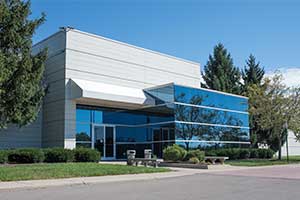 523 West Heritage Park Boulevard
Layton, UT. 84041
801-525-9998
Discovery House is dedicated to assisting the community of Layton and the surrounding areas to getting their life back after struggling with substance abuse. Discovery House accommodates a wide collection of services in line with their philosophy of treatments that work - including outpatient detox programs, inpatient drug rehab facilities, outpatient substance abuse counseling, long term drug rehab facilities, short term treatment facilities and others.
Discovery House also feels that it is of the upmost importance that every individual client gets uniquely tailored treatment to ensure their recovery. This is why it is specialized in a wide variety of treatment modalities, including behavior modification, brief intervention approach, group therapy, 12-step facilitation approach, dialectical behavior therapy, trauma therapy and others. Additionally, Discovery House is specialized in residential beds for client's children, housing services, aftercare/continuing care, persons who have experienced sexual abuse, clients with HIV/AIDS, persons with eating disorders, as well as other special programs. In general, the treatment methods that this drug and alcohol rehab program uses aims to provide positive and lasting change for each individual.
Lastly, Discovery House accepts private insurance, private pay, payment assistance, sliding fee scale, county or local government funds, state corrections or juvenile justice funds and more.
 377 North Marshall Way
Layton, UT. 84041
801-430-1280
Live Strong House is dedicated to assisting the people of Layton, UT. and the surrounding areas to find full recovery after a period of struggling with drug and alcohol addiction. As such, Live Strong House provides a wide assortment of services in line with their philosophy of treatments that work - including outpatient detox centers, inpatient treatment facilities, outpatient substance abuse counseling, long term drug and alcohol rehab centers, short term rehabs and others.
Live Strong House also feels that it is important that every person gets specific treatments that are tailored to their needs to help ensure treatment is a success. This is why it is specialized in a wide variety of treatment methods, including behavior modification, brief intervention approach, group therapy, 12-step facilitation approach, dialectical behavior therapy, trauma therapy and others. In addition, Live Strong House is specialized in residential beds for client's children, housing services, aftercare/continuing care, persons who have experienced sexual abuse, clients with HIV/AIDS, persons with eating disorders, as well as other special programs. In general, the treatment methods that this alcohol and drug treatment facility uses aims to provide positive and lasting change for each individual.
Lastly, Live Strong House accepts private medical insurance, private pay, payment assistance, sliding fee scale, county or local government funds, state corrections or juvenile justice funds and more.
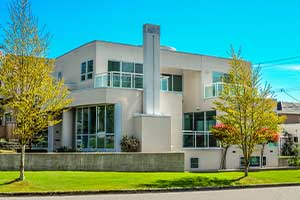 934 South Main Street
Layton, UT. 84041
801-773-7060
Davis Behavioral Health is a private non-profit corporation providing behavioral health services to residents of Davis County. Unlike other behavioral health providers, Davis Behavioral Health serves people who cannot afford to pay and who otherwise may not receive help.
Diamond Tree Recovery

 845 West 200 North
Kaysville, UT. 84037
385-888-9624
Diamond Tree Recovery is 0.4 miles from Layton, UT
Diamond Tree Recovery is committed to helping the community of Layton, Utah and the surrounding areas to getting their life back after struggling with substance abuse. Because of this, Diamond Tree Recovery offers a wide array of services in line with their belief of treatments that work - including outpatient detoxification centers, inpatient treatment facilities, outpatient substance abuse treatment services, long term drug treatment, short term drug and alcohol rehab programs and others.
Diamond Tree Recovery also believes that it is of the upmost importance that every individual gets highly personalized services to ensure their recovery. This is why it is specialized in a wide variety of treatment methods, including behavior modification, brief intervention approach, group therapy, 12-step facilitation approach, dialectical behavior therapy, trauma therapy and others. In addition, Diamond Tree Recovery is specialized in residential beds for client's children, housing services, aftercare/continuing care, persons who have experienced sexual abuse, clients with HIV/AIDS, persons with eating disorders, as well as other special programs. In general, the treatment services that this addiction treatment program uses aims to provide positive and lasting change for each individual.
Lastly, Diamond Tree Recovery accepts private medical insurance, cash or self-payment, payment assistance, sliding fee scale, county or local government funds, state corrections or juvenile justice funds and more.
Find Drug and Alcohol Treatment Centers in or around the following Utah cities:
Top Cities For Recovery:
Commonly Asked Questions about Addiction and Treatment
Is there free help for drug and alcohol addiction?
Yes, there is free help available for individuals struggling with drug and alcohol addiction. Numerous resources and support systems exist to provide assistance at no cost. Some of these options include:
National Helplines: Many countries have dedicated helplines for substance abuse and mental health issues. In the United States, the SAMHSA National Helpline (1-800-662-HELP) offers free, confidential, 24/7 assistance in English and Spanish.
Peer Support Groups: Local support groups, such as Alcoholics Anonymous (AA) or Narcotics Anonymous (NA), provide free peer-to-peer support, guidance, and resources for individuals facing addiction. Meetings can be found in various locations and are open to all.
Non-profit and Faith-based Organizations: Some non-profit and faith-based organizations offer free addiction support services, including counseling, group therapy, and recovery programs. Local community centers, churches, mosques, and synagogues may have information about available resources in your area.
Online Support Communities: Several websites and online forums offer free support and resources for individuals in recovery from addiction. These virtual communities can provide valuable information, advice, and encouragement from peers facing similar challenges.
State-Funded Treatment Programs: In many regions, state-funded addiction treatment programs provide free or low-cost services to eligible residents. Contact your local health department or substance abuse agency for information on available programs in your area.
Public Libraries: Local libraries often have free resources related to addiction, recovery, and mental health, including books, DVDs, and pamphlets. Librarians can also help you locate additional resources and services within your community.
Should I stay close to my home or go away to treat my addiction?
The decision of whether to stay close to home or go away for addiction treatment depends on various individual factors and personal preferences. Each option has its own set of advantages and potential drawbacks. Here are some points to consider when making your decision:
Advantages of staying close to home:
- Familiar environment: Staying close to home allows you to remain in a familiar environment, which can provide comfort and reduce stress during the initial stages of recovery.
- Support network: Being near friends and family members can offer emotional support, encouragement, and motivation throughout the treatment process.
- Accessibility: Local treatment options may be more accessible and affordable, especially if transportation and travel costs are a concern.
- Continuity of care: Staying close to home may facilitate a smoother transition to aftercare services and ongoing support within your community.
Potential drawbacks of staying close to home:
- Triggers and temptations: Staying near home may expose you to environmental triggers and temptations that could increase the risk of relapse.
- Limited treatment options: Your local area may not offer the specific treatment programs or services that are best suited to your individual needs.
Advantages of going away for treatment:
- Fresh start: Traveling to a new location can provide a sense of starting fresh and allow for greater focus on your recovery journey.
- Distance from triggers: Being away from familiar surroundings may help minimize exposure to triggers and reduce the temptation to use substances.
- Specialized treatment options: Going away for treatment may provide access to specialized programs or services that are not available in your local area.
- Privacy and anonymity: Attending treatment in a different location can offer greater privacy and anonymity, which may be important for some individuals.
Potential drawbacks of going away for treatment:
- Limited support network: Being away from friends and family might make it challenging to receive emotional support during the recovery process.
- Increased costs: Traveling for treatment may involve additional expenses, such as transportation and accommodations.
- Transition to aftercare: Returning to your home community after treatment might make it more difficult to access aftercare services or continue with the same support network.
Who is SAMHSA?
SAMHSA, or the Substance Abuse and Mental Health Services Administration, is an U.S. federal agency within the Department of Health and Human Services (HHS). Established in 1992, its primary mission is to reduce the impact of substance abuse and mental illness on American communities. SAMHSA focuses on improving the quality and availability of prevention, treatment, and rehabilitation services related to substance use disorders and mental health conditions.
Some of the key functions and responsibilities of SAMHSA include:
- Funding: SAMHSA provides grants and funding to states, territories, tribes, communities, and organizations to support the delivery of mental health and substance use prevention, treatment, and recovery services.
- Technical assistance: The agency offers technical assistance and training to service providers, practitioners, and other stakeholders to enhance their capacity to deliver evidence-based practices and improve the quality of care.
- Data collection and analysis: SAMHSA collects and analyzes data on behavioral health in the United States, including the prevalence and patterns of substance use and mental health conditions. This information helps inform policy, program planning, and decision-making at the federal, state, and local levels.
- Public awareness and education: SAMHSA raises awareness about the importance of behavioral health, promotes evidence-based practices, and works to reduce stigma and discrimination surrounding mental illness and substance use disorders.
- Guidelines and best practices: The agency develops and disseminates guidelines, best practices, and other resources to improve the effectiveness of prevention, treatment, and recovery services for substance use disorders and mental health conditions.
- Collaboration and partnerships: SAMHSA collaborates with other federal agencies, state and local governments, professional organizations, advocacy groups, and community stakeholders to coordinate efforts and resources to address behavioral health issues.
To support its mission, SAMHSA operates various centers, such as the Center for Substance Abuse Prevention, the Center for Substance Abuse Treatment, and the Center for Mental Health Services. Additionally, the agency manages the National Helpline (1-800-662-HELP), a confidential, free, 24/7, 365-day-a-year treatment referral and information service for individuals and families facing mental health and/or substance use disorders.
National Non Profit Helpline - 1-877-882-9275
Our National Non Profit Helpline is a 24/7, 365-day-a-year treatment referral and information service for individuals and families faced with mental and/or substance use disorders.
All calls are strictly confidential
Our service provides referrals to licensed treatment facilities, support groups, and community-based organizations. You don't have to struggle alone with addiction. Help is just a phone call away. Call 1-877-882-9275 now to get the help you need and deserve.
1-877-882-9275




