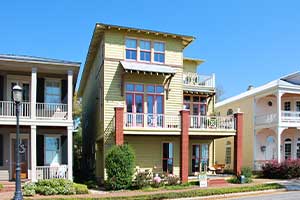


Pamplico, South Carolina
Pamplico, SC Profile
Pamplico, SC, population 1,139 , is located
in South Carolina's Florence county,
about 83.0 miles from Fayetteville and 84.0 miles from Columbia.
In the 90's the population of Pamplico has declined by about 13%.
It is Estimated in recent years the population of Pamplico has been declining at an annual rate of less than one percent.
Reports show that during 2003 property crime levels in the Pamplico area were lower than South Carolina's average.
The same data shows violent crime levels to be lower than the South Carolina average.
Pamplico Statistics
Pamplico Gender Information
Males in Pamplico: 538 (47%)
Females in Pamplico: 601 (53%)
As % of Population in Pamplico
Race Diversity in Pamplico
White: 45%
African American: 53%
Other/Mixed: 2%
As % of Population in Pamplico
Age Diversity in Pamplico
Median Age in Pamplico: 34.2 (Males in Pamplico: 31.8, Females in Pamplico: 35.9)
Pamplico Males Under 20: 17%
Pamplico Females Under 20: 16%
Pamplico Males 20 to 40: 11%
Pamplico Females 20 to 40: 14%
Pamplico Males 40 to 60: 12%
Pamplico Females 40 to 60: 14%
Pamplico Males Over 60: 7%
Pamplico Females Over 60: 10%
Economics in Pamplico
Pamplico Household Average Size: 2.7 people
Pamplico Median Household Income: $ 28,304
Pamplico Median Value of Homes: $ 59,700
Law Enforcement in Pamplico
Reported crimes in the Pamplico area during 2003:
Murder and non-negligent man-slaughter: 1
Forcible rape: 0
Robbery: 1
Aggravated assault: 0
Violent crime events per 100,000 people: 175
Burglary: 9
Larceny-theft: 4
Motor vehicle theft: 0
Arson: 0
Property crime events per 100,000 people: 1,137
Pamplico Location Information
Elevation: 83 feet above sea level.
Land Area: 1.9 Square Miles.
Nearby Towns & Cities to Pamplico
Coward 10.3 Miles
Scranton 11.4 Miles
Lake City 13.7 Miles
Johnsonville 14.1 Miles
Marion 15.9 Miles
Florence 17.7 Miles
Hemingway 18.2 Miles
Stuckey 18.6 Miles
Quinby 19.1 Miles
Sellers 20.7 Miles
Big Cities Nearest Pamplico
(Population 100,000+)
Fayetteville 83.0 Miles
Columbia 84.0 Miles
Charlotte 111.8 Miles
Raleigh 133.7 Miles
Augusta 143.0 Miles
Durham 143.3 Miles
Greensboro 144.2 Miles
Winston-Salem 150.4 Miles
Savannah 159.3 Miles
Athens 218.4 Miles
|
Facts
Lifetime alcohol users aged 21 or older had a significantly higher rate of past year illicit drug use (13.7 percent) compared with lifetime nondrinkers (2.7 percent). In addition, lifetime alcohol users had significantly higher rates of past year use across all illicit drug categories, with the exception of inhalants. Nonmedical use of pain relievers was the illicit drug used most often by lifetime nondrinkers, whereas lifetime alcohol users reported using marijuana most frequently." Marijuana. Marijuana is the most frequently used illicit drug. In 2001, 37 percent of seniors—well over one in three—reported using marijuana in the past twelve months. Among 8th graders, annual marijuana use increased from 6.2 percent in 1991 to 15 percent in 2001 (peaking at 18 percent in 1996). Among 10th graders, annual marijuana use almost doubled between 1991 and 2001, from 17 percent to 33 percent (peaking at 35 percent in 1997). Inhalants. Although not necessarily illicit drugs, inhalants are sometimes used illicitly for the purpose of getting high. This particular behavior is generally more often seen among younger students than among high-school seniors. In 2001, for example, 4.5 percent of 12th graders reported using inhalants to get high at least once in the past twelve months, compared to 6.6 percent of 10th graders, and 9.1 percent of 8th graders. Drug-Related Medical Emergencies Are at a Historic High. The Drug Abuse Warning Network (DAWN), which studies drug-related hospital emergency room episodes, provides a useful snapshot of the health consequences of America’s drug problem. In 1995, DAWN estimated that 531,800 drug-related episodes occurred -- slightly more than the 518,500 incidents in 1994. The 1995 figure marks the first time in the past five years that drug-related emergency department episodes did not rise significantly. The drug MDMA is popularly known as "ecstasy," XTC, and ADAM. It is a synthesized compound and a member of the family of HALLUCINOGENS known as the substituted phenethylamines, which also includes methylenedioxyamphetamine (MDA) and 2, 5-dimethoxy-4-methylamphetamine (DOM). These hallucinogens are structurally related to the phenethylamine-type NEUROTRANSMITTERS dopamine, norepinephrine, and epinephrine. Many analogs of these compounds have been synthesized and are sometimes found on the street—the so-called DESIGNER DRUGS. |
Detox
Detox is necessary when an individual through their chronic use of drugs or alcohol has developed an addiction. The objective of detox is to help the individual achieve a drug and alcohol free state. Detox is intended to relieve the physical symptoms of withdrawal and helps prepare the individual for entry into drug rehabilitation. Therefore, the ultimate goal of detox is preparation for long term recovery from drug and alcohol addiction.
Drug Side Effects
Drug addiction and abuse comes with a heavy price. There are drastic drug side effects associated with drug misuse and abuse. Drug side effects from legal and illegal drugs can range from mild itching to comas and death. In addition to the physical drug side effects mentioned, there are many psychological drug side effects of drug abuse; the most serious being drug addiction and overdose.
Drug Abuse
Drug abuse is defined as the chronic or habitual use of any chemical substance to alter states of body or mind for other than medically warranted purposes. Drug abuse is a problem which has an effect on people of all income levels,
ages, and stations in life. Quite often the last person to see that there is a
problem is the drug abuser them self. Every year, more and more people become
drug addicts in their pursuit to get "high".
Addict
An addict is an individual who has a compulsive urge to use drugs, to the point where they feel they have no effective choice but to continue use. An addict will continue their self destructive behaviors in order to feel good or to avoid
feeling bad. It can dominate their mind, and keep them coming back for more. The addiction can be
different for each addict, depending on their vice and the kind of person they
are.
Withdrawal
Withdrawal is what happens when a person who is addicted to drugs or alcohol discontinues use. There are numerous symptoms that take place both physically and emotionally when an addicted individual stops using. Withdrawal can last a few days to a few weeks and may include nausea or vomiting, sweating, shakiness, and anxiety. Keep in mind; this only occurs if a person has regular, heavy use of a drug or alcohol. Withdrawal can be extremely uncomfortable without professional help. Treatment for withdrawal from alcohol or drugs may require a medical professional to be present. Drug and alcohol rehabilitation is often the best way to overcome withdrawal and its symptoms as well as recovery from drug addiction.
|
|

To Find Drug Rehab and Treatment Centers in Pamplico
Call toll free


Pamplico Drug Rehab and
Alcohol Addiction Treatment Information
|