
199 South Herlong Avenue
Rock Hill, SC. 29732
803-324-1800
Rock Hill, SC has nearby choices for addiction treatment including: 3 medicaid treatment centers, 1 inpatient rehab, 2 drug rehabs that take private insurance like BCBS, 2 drug and alcohol detox, 4 outpatient treatment programs.

For help finding an addiction treatment center, Call us!
All calls are 100% confidential and free
1-877-882-9275


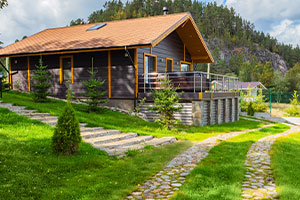
Rock Hill Treatment Specialists is a drug and alcohol treatment facility for people living in Rock Hill and its surrounding areas and battling a drug and alcohol use disorder and co-occurring mental health disorder. As such, it provides services like cognitive/behavior therapy, anger management, substance abuse counseling approach, contingency management/motivational incentive, brief intervention approach, 12-step facilitation approach and more, that are in line with its philosophy of the treatments that have been proved to work.
In the same way, Rock Hill Treatment Specialists believes in individual treatment to make sure that their patients achieve the best possible results. The addiction treatment center also specializes in other types of care like clients referred from the court/judicial system, self-help groups, domestic violence, veterans, transgender or (LGBT) clients, persons who have experienced sexual abuse - among many others. All these services are also offered by Rock Hill Treatment Specialists in a variety of settings like outpatient substance abuse treatment services, inpatient treatment programs, short term treatment centers, inpatient detoxification facilities, long term addiction treatment programs, as well as others.
Further, it has aftercare plans and programs and other treatment methods designed to help you achieve permanent sobriety. These services have ensured that Rock Hill Treatment Specialists has a special place within Rock Hill and its surrounding area, especially because they lead to both positive short and long term outcomes for the clients who enroll into this drug and alcohol rehab facility. Lastly, Rock Hill Treatment Specialists accepts private insurance, private pay, sliding fee scale, payment assistance, access to recovery (atr) voucher, other state funds and others.



York County Treatment Center is 13.1 miles from Rock Hill, South Carolina

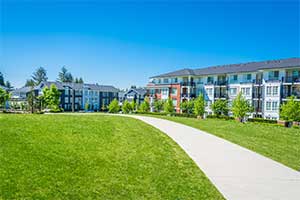
Blanchard Institute is 15.4 miles from Rock Hill, South Carolina
Blanchard Institute is an alcohol and drug treatment facility for individuals residing in Rock Hill, South Carolina and its surrounding areas and struggling with a drug and alcohol abuse disorder and co-occurring mental health disorder. It offers services like cognitive/behavior therapy, anger management, substance abuse counseling approach, contingency management/motivational incentive, brief intervention approach, 12-step facilitation approach and more, that are in line with its philosophy of the treatments that have been proved to work.
Blanchard Institute believes in individualized care to ensure that their patients achieve the best possible results. The drug and alcohol rehab has also specialized in other treatments like clients referred from the court/judicial system, self-help groups, domestic violence, veterans, transgender or (LGBT) clients, persons who have experienced sexual abuse - among many others. Many of these services are also offered by Blanchard Institute in various settings like intensive outpatient treatment, inpatient treatment facilities, short term addiction treatment facilities, outpatient detox centers, long term drug and alcohol rehab centers, as well as others.
Further, it has aftercare plans and other treatment methods designed to help you achieve permanent and lasting stability. These programs have ensured that Blanchard Institute has a special place within the Rock Hill, SC. area, especially because they lead to positive long term outcomes for the people who enroll into this alcohol and drug treatment program. Lastly, Blanchard Institute accepts private medical insurance, cash or self-payment, sliding fee scale, payment assistance, access to recovery (atr) voucher, other state funds and others.
Helping an individual struggling with addiction without enabling them requires a fine balance. Here are some strategies that might be helpful:
"Helping someone stop enabling an addict can be a challenging process, as the enabler often has deeply ingrained habits and patterns that need to be addressed. Here are some steps to consider:
Recognize Enabling Behavior: First, you need to identify the behaviors that are enabling the addiction. Enabling behaviors can include things like providing money that funds the addiction, covering for the addict's mistakes or responsibilities, or continually forgiving harmful behavior without setting boundaries.
Educate Yourself: Learn about addiction and its dynamics. Understanding that addiction is a disease and not merely a matter of willpower can help change your perspective and reactions.
Set Boundaries: Establish and communicate clear, firm boundaries regarding what you will and won't accept. Stick to these boundaries even if it's difficult.
Stop Rescuing: Refrain from protecting the person from the consequences of their addictive behavior. It is important for them to experience the full impact of their actions.
Encourage Treatment: Instead of protecting the person from their addiction, encourage them to seek professional help. Offer to assist in finding treatment options or attending support groups.
Seek Support: Enabling patterns can be tough to break. Seek help from therapy, counseling, or support groups like Al-Anon. These resources can provide you with tools and strategies to stop enabling.
Practice Self-Care: Ensure you're taking care of your own physical and emotional health. It's easy to get so wrapped up in the addicted person's problems that you neglect your own needs.
Maintain Consistency: It's essential to be consistent with your new approach. If you occasionally slip back into enabling behaviors, the person with the addiction may continue to expect it.
Be Patient: Changing long-standing patterns of behavior takes time, both for you and the person with the addiction. Remember to be patient with yourself and with them.
Remember, You're Not to Blame: Addiction is a complex disease influenced by many factors. It's important to remember that you're not responsible for the other person's addiction or recovery. Your role is to support in healthy ways, not to cure the addiction.
Opioid withdrawal can be a challenging process that presents both physical and psychological symptoms. These symptoms can range from mild to severe, depending on factors like the type of opioid used, the duration and intensity of use, individual health status, and genetic factors. Here are common symptoms that might be experienced during opioid withdrawal:
Physical Symptoms:
Psychological Symptoms:
These symptoms can begin as early as a few hours after the last dose of the opioid and typically peak within 72 hours, though they may persist for a week or more. Post-acute withdrawal symptoms, which are primarily psychological, can continue for weeks or even months.
It's important to note that while opioid withdrawal can be extremely uncomfortable, it is generally not life-threatening. However, complications like severe dehydration due to vomiting and diarrhea can occur, which is why medical supervision is recommended during the withdrawal process. Furthermore, the risk of relapse is high during withdrawal, and using opioids again after a period of abstinence can lead to a potentially fatal overdose, as tolerance may have decreased.
National Non Profit Helpline - 1-877-882-9275
Our National Non Profit Helpline is a 24/7, 365-day-a-year treatment referral and information service for individuals and families faced with mental and/or substance use disorders.
All calls are strictly confidential
Our service provides referrals to licensed treatment facilities, support groups, and community-based organizations. You don't have to struggle alone with addiction. Help is just a phone call away. Call 1-877-882-9275 now to get the help you need and deserve.



© Copyright 1998 - 2022 All Rights Reserved. Content is protected under copyright laws, do not use content without written permission.
