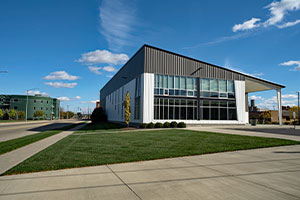
1051 Kings Highway
Rolla, MO. 65401
573-364-8511
Rolla, MO has nearby treatment options including: 4 medicaid treatment centers, 2 inpatient drug rehabs, 4 drug rehabs that take private insurance like Blue Cross Blue Shield, 0 drug and alcohol detox, 2 outpatient rehabs.

For help finding an addiction treatment center, Call us!
All calls are 100% confidential and free
1-877-882-9275






Cuba Outpatient is 21.9 miles from Rolla, MO
Cuba Outpatient has long been dedicated to assisting individuals recovery after a period of alcohol and drug addiction. It has been doing this within Rolla, MO. and in the surrounding areas for quite some time. Cuba Outpatient offers services like relapse prevention, anger management, cognitive/behavior therapy, group therapy, activity therapy, contingency management/motivational incentive - which are all representative of their rehabilitation and treatment philosophies. Cuba Outpatient believes that clients need specially tailored treatment programs to achieve recovery. This is why it provides several programs, like suicide prevention services, legal advocacy, self-help groups, child care for clients children, programs for the hearing impaired, substance abuse education - among other services listed in the following sections.
In the same way, Cuba Outpatient offers intensive outpatient treatment, long term drug abuse treatment, short term rehab centers, inpatient detox centers, inpatient rehab facilities and others. Further, Cuba Outpatient has continued recovery programs that are designed to help clients maintain their sobriety. This addiction treatment program also uses treatment methods that can help you achieve lasting sobriety.
Finally, Cuba Outpatient accepts private pay, private insurance, military insurance, sliding fee scale, state corrections or juvenile justice funds, state welfare or child and family services funds, as well as others.

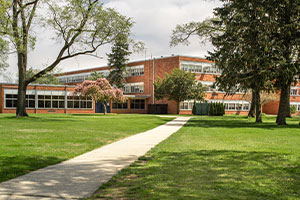
Woodridge of Missouri LLC is 24.2 miles from Rolla, Missouri
While it's natural to want to help your adult child struggling with addiction, it is essential to recognize that you cannot force them into treatment if they are unwilling. As an adult, they have the right to make their own decisions, and treatment is most effective when the individual is motivated and ready to change.
However, there are several ways you can support and encourage your adult child to seek help for their addiction:
In the mental health field, drug addiction is commonly referred to as a "Substance Use Disorder" (SUD). This term is used in the Diagnostic and Statistical Manual of Mental Disorders, Fifth Edition (DSM-5), which is the standard classification of mental disorders used by mental health professionals in the United States.
A Substance Use Disorder is defined as a pattern of behaviors characterized by an inability to control or cut down on use, spending a lot of time obtaining the substance, craving the substance, failing to fulfill obligations at work, school, or home due to substance use, and continuing to use the substance despite knowing it's causing physical or psychological harm.
Substance Use Disorders can be further categorized based on the specific substance involved, such as Alcohol Use Disorder, Opioid Use Disorder, Cannabis Use Disorder, and so forth. The severity of the disorder is also assessed (mild, moderate, or severe) based on the number of diagnostic criteria met by an individual.
It's worth noting that this terminology emphasizes the understanding of drug addiction as a medical disorder, rather than a moral failing or a matter of willpower. This shift in language is part of a larger effort to reduce stigma and promote a more compassionate, effective approach to treatment.
Drug addiction can significantly distort a person's thinking patterns and perceptions, leading them to behave in ways that are often self-protective and defensive. One of these behaviors can be a tendency to shift blame onto others. This occurs for a few reasons:
National Non Profit Helpline - 1-877-882-9275
Our National Non Profit Helpline is a 24/7, 365-day-a-year treatment referral and information service for individuals and families faced with mental and/or substance use disorders.
All calls are strictly confidential
Our service provides referrals to licensed treatment facilities, support groups, and community-based organizations. You don't have to struggle alone with addiction. Help is just a phone call away. Call 1-877-882-9275 now to get the help you need and deserve.



© Copyright 1998 - 2022 All Rights Reserved. Content is protected under copyright laws, do not use content without written permission.
