


213 North Sprigg Street
Cape Girardeau, MO. 63703
573-651-5434 x159
Cape Girardeau, MO has a few different treatment options: 4 medicare programs, 3 inpatient rehab centers, 4 drug rehabs that take private insurance like UnitedHealthCare, 0 drug detox, 5 outpatient rehabs.

For help finding an addiction treatment center, Call us!
All calls are 100% confidential and free
1-877-882-9275



Community Counseling Center has been dedicating its treatment services and programs to helping people who are battling drug and alcohol addiction in Cape Girardeau, Missouri and its surrounding area.
Community Counseling Center offers a wide collection of treatment and rehabilitation programs, including long term drug treatment, short term drug and alcohol rehab centers, inpatient rehab programs, outpatient counseling, outpatient detoxification programs and more. Community Counseling Center also believes that it is necessary that it presents individual services to ensure that its clients get the results that they want. This is why Community Counseling Center is specialized in brief intervention approach, relapse prevention, trauma therapy, motivational interviewing, behavior modification, 12-step facilitation approach, among other programs.
Community Counseling Center also provides domestic violence, transgender or (LGBT) clients, housing services, seniors or older adults, persons with eating disorders, co-occurring mental and substance abuse disorders, and offers some of the best aftercare programs - all of which have been proven to further the results its clients expect. This drug and alcohol rehabilitation program also uses treatment modalities that can assist you in achieving long lasting sobriety.
Community Counseling Center also accepts the following types of payment - private insurance, private pay, medicaid, medicare, sliding fee scale, state corrections or juvenile justice funds, state education funds and more.

Family Counseling Center Inc has been dedicating its treatment services and programs to helping people who are struggling with alcohol and drug abuse in Cape Girardeau, MO. and within the surrounding area.
Family Counseling Center Inc offers a wide variety of treatment and rehabilitation services, including long term drug rehab facilities, short term rehab facilities, inpatient drug and alcohol rehab centers, outpatient individual counseling, inpatient detox facilities and more. Family Counseling Center Inc also believes that it is necessary that it presents individual services to ensure that individuals get the results that they are looking for. This is why Family Counseling Center Inc is specialized in brief intervention approach, relapse prevention, trauma therapy, motivational interviewing, behavior modification, 12-step facilitation approach, among other programs.
Family Counseling Center Inc also provides domestic violence, transgender or (LGBT) clients, housing services, seniors or older adults, persons with eating disorders, co-occurring mental and substance abuse disorders, and offers some of the best continued recovery programs - all of which have been proved to be useful in helping its clients. This drug and alcohol rehab program also uses treatment modalities that can help you achieve full stability both in the long term and permanently.
Family Counseling Center Inc also accepts the following forms of payment - private health insurance, private pay, medicare, medicaid, sliding fee scale, state corrections or juvenile justice funds, state education funds and more.
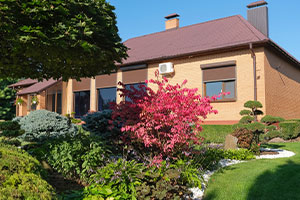
New Vision Counseling has been dedicating its treatment services and programs to helping individuals who are struggling with substance abuse in Cape Girardeau and its surrounding area.
New Vision Counseling provides a wide range of treatment and rehabilitation services, including long term drug addiction treatment, short term drug abuse treatment, inpatient drug and alcohol rehab centers, outpatient day treatment, detoxification centers and more. New Vision Counseling also believes that it is necessary that it offers unique services to ensure that individuals get the results that they are looking for. This is why New Vision Counseling is specialized in brief intervention approach, relapse prevention, trauma therapy, motivational interviewing, behavior modification, 12-step facilitation approach, among other programs.
New Vision Counseling also provides domestic violence, transgender or (LGBT) clients, housing services, seniors or older adults, persons with eating disorders, co-occurring mental and substance abuse disorders, and provides some of the best continued recovery programs - all of which are necessary and helpful to its clients. This drug and alcohol rehab program also uses treatment modalities that can help you achieve full stability both in the long term and permanently.
New Vision Counseling also accepts the following forms of payment - private health insurance, cash or self-payment, medicare, medicaid, sliding fee scale, state corrections or juvenile justice funds, state education funds and more.

Cape Girardeau Metro Treatment Ctr has been dedicating its treatment services and programs to helping individuals who are struggling with alcohol and drug abuse in Cape Girardeau, Missouri and within the surrounding area.
Cape Girardeau Metro Treatment Ctr offers a wide range of treatment and rehabilitation services, including long term drug and alcohol rehabs, short term drug rehab programs, inpatient treatment facilities, outpatient substance abuse treatment services, outpatient detoxification centers and more. Cape Girardeau Metro Treatment Ctr also believes that it is necessary that it presents specific services to ensure that individuals get the results that they require. This is why Cape Girardeau Metro Treatment Ctr is specialized in brief intervention approach, relapse prevention, trauma therapy, motivational interviewing, behavior modification, 12-step facilitation approach, among other programs.
Cape Girardeau Metro Treatment Ctr also provides domestic violence, transgender or (LGBT) clients, housing services, seniors or older adults, persons with eating disorders, co-occurring mental and substance abuse disorders, and offers some of the best aftercare programs - all of which have been proved to be useful in helping its clients. This drug and alcohol rehab facility also uses treatment modalities that can help you achieve the best possible outcome.
Cape Girardeau Metro Treatment Ctr also accepts the following types of payment - private health insurance, private pay, medicaid, medicare, sliding fee scale, state corrections or juvenile justice funds, state education funds and more.
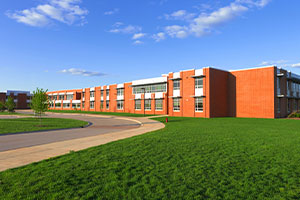
Vision House of Cape Girardeau has been dedicating its treatment services and programs to helping individuals who are battling drug and alcohol addiction in Cape Girardeau, MO. and within the surrounding area.
Vision House of Cape Girardeau facilitates a wide variety of treatment and rehabilitation services, including long term drug abuse treatment, short term drug and alcohol rehab programs, inpatient drug rehab facilities, outpatient counseling, outpatient detox programs and more. Vision House of Cape Girardeau also believes that it is vital that it offers specific services to ensure that individuals get the results that they want. This is why Vision House of Cape Girardeau is specialized in brief intervention approach, relapse prevention, trauma therapy, motivational interviewing, behavior modification, 12-step facilitation approach, among other programs.
Vision House of Cape Girardeau also provides domestic violence, transgender or (LGBT) clients, housing services, seniors or older adults, persons with eating disorders, co-occurring mental and substance abuse disorders, and offers some of the best continued recovery programs - all of which have been proven to further the results its clients expect. This drug and alcohol rehabilitation program also uses treatment modalities that can assist you in achieving long lasting sobriety.
Vision House of Cape Girardeau also accepts the following types of payment - private medical insurance, private pay, medicaid, medicare, sliding fee scale, state corrections or juvenile justice funds, state education funds and more.
In the mental health field, drug addiction is commonly referred to as a "Substance Use Disorder" (SUD). This term is used in the Diagnostic and Statistical Manual of Mental Disorders, Fifth Edition (DSM-5), which is the standard classification of mental disorders used by mental health professionals in the United States.
A Substance Use Disorder is defined as a pattern of behaviors characterized by an inability to control or cut down on use, spending a lot of time obtaining the substance, craving the substance, failing to fulfill obligations at work, school, or home due to substance use, and continuing to use the substance despite knowing it's causing physical or psychological harm.
Substance Use Disorders can be further categorized based on the specific substance involved, such as Alcohol Use Disorder, Opioid Use Disorder, Cannabis Use Disorder, and so forth. The severity of the disorder is also assessed (mild, moderate, or severe) based on the number of diagnostic criteria met by an individual.
It's worth noting that this terminology emphasizes the understanding of drug addiction as a medical disorder, rather than a moral failing or a matter of willpower. This shift in language is part of a larger effort to reduce stigma and promote a more compassionate, effective approach to treatment.
Several classes of drugs can have the effect of numbing emotions or creating a feeling of emotional detachment. It's important to note that these effects can vary widely between individuals and depend on many factors, including the dosage, the method of use, and the individual's personal physiology and psychology. Here are a few examples:
Depressants: This category of drugs, which includes alcohol, benzodiazepines (like Xanax or Valium), and opioids (like heroin or prescription painkillers), can reduce brain activity and dull emotions. Users often report feeling numb or detached from their emotions.
Dissociatives: Dissociative drugs like ketamine, PCP, and certain kinds of cough medicines containing dextromethorphan (DXM), can induce a state of detachment from reality and one's self, which can include a sense of emotional numbness.
Selective Serotonin Reuptake Inhibitors (SSRIs): While primarily used as antidepressants, some individuals report feeling emotionally numb or detached when taking SSRIs. This is generally considered a side effect, and if experienced, should be discussed with a healthcare provider.
Antipsychotics: These medications are primarily used to treat conditions like schizophrenia, but they can also induce a state of emotional numbness or flatness in some individuals.
While these substances can make a person feel emotionally numb, it's important to note that this is often a temporary and potentially harmful solution. Long-term use can lead to a range of negative health effects, including physical dependence, addiction, and a worsening of emotional or mental health symptoms. If you're feeling overwhelmed by your emotions, it's crucial to seek help from a mental health professional rather than turning to substances. They can provide support and discuss healthier ways to cope with these feelings.
Inpatient drug rehab provides a structured environment for individuals recovering from substance use disorders. The specific details of a typical day can vary between facilities, but most will follow a general schedule that includes therapeutic activities, meals, free time, and sleep. Here's a rough outline of what a day in an inpatient rehab might look like:
Morning:
Afternoon:
Evening:
Throughout the day, residents may also have scheduled times for medication (if applicable), physical exercise, and meeting with their treatment team. The goal of this structured daily routine is to provide a stable, supportive environment that promotes healing and recovery.
It's important to note that the exact schedule and types of activities will vary between different rehab centers and individual treatment plans. When choosing a rehab center, it can be helpful to ask about the daily schedule and types of therapies offered to ensure it aligns with your needs and preferences.
National Non Profit Helpline - 1-877-882-9275
Our National Non Profit Helpline is a 24/7, 365-day-a-year treatment referral and information service for individuals and families faced with mental and/or substance use disorders.
All calls are strictly confidential
Our service provides referrals to licensed treatment facilities, support groups, and community-based organizations. You don't have to struggle alone with addiction. Help is just a phone call away. Call 1-877-882-9275 now to get the help you need and deserve.



© Copyright 1998 - 2022 All Rights Reserved. Content is protected under copyright laws, do not use content without written permission.
