Crowleys Ridge Development Council Northeast Ark Regional Recovery Center

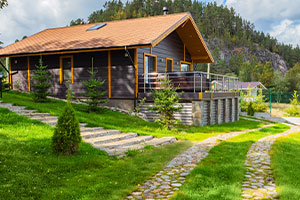
6009 CW Post Road
Jonesboro, AR. 72401
870-932-0228
Crowleys Ridge Development Council is 5.3 miles from Bay, AR
Bay, AR has nearby treatment options including: 2 low cost treatment centers, 1 inpatient rehab, 3 drug rehabs that take private insurance like Aetna, 2 drug detox, 4 outpatient treatment programs.

For help finding an addiction treatment center, Call us!
All calls are 100% confidential and free
1-877-882-9275


Crowleys Ridge Development Council is 5.3 miles from Bay, AR

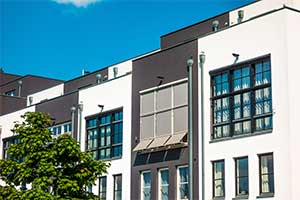
5 Residential is 8 miles from Bay, Arkansas
5 Residential is committed to helping the community of Bay, Arkansas and the surrounding areas to getting their sobriety back after battling with alcohol and drug addiction. 5 Residential offers a wide assortment of services in line with their philosophy of treatments that work - including outpatient substance abuse treatment services, detox centers, short term addiction treatment programs, inpatient addiction treatment programs, long term rehab centers and others.
5 Residential also feels that it is of the upmost importance that every individual gets uniquely tailored treatment to ensure their recovery. This is why it is specialized in a wide variety of treatment methods, including rational emotive behavioral therapy, cognitive/behavior therapy, individual psychotherapy, dialectical behavior therapy, behavior modification, brief intervention approach and others. Additionally, 5 Residential is specialized in legal advocacy, active duty military, treatment for spanish-speaking clients, aftercare/continuing care, programs for the hearing impaired, co-occurring mental and substance abuse disorders, as well as other special programs. In general, the treatment services that this drug and alcohol rehab facility uses can provide the level of stability that is as permanent as it is lasting.
Lastly, 5 Residential accepts private pay, private medical insurance, military insurance, medicaid, medicare, state welfare or child and family services funds, state education funds and more.
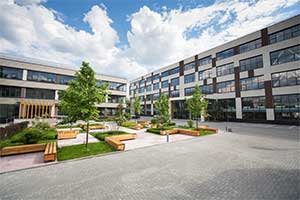
Northeast Arkansas Treatment Services is 9.3 miles from Bay, Arkansas
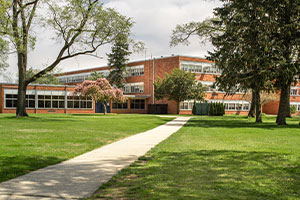
NE Arkansas Community MH Center is 46.1 miles from Bay, AR
NE Arkansas Community MH Center is committed to helping the residents of Bay, AR. and the surrounding areas to find full recovery after a period of struggling with drug and alcohol addiction. As such, NE Arkansas Community MH Center offers a wide assortment of services in line with their belief of treatments that work - including intensive outpatient treatment, inpatient detox facilities, short term addiction treatment centers, inpatient drug and alcohol rehab facilities, long term treatment centers and others.
NE Arkansas Community MH Center also believes that it is vital that every individual gets specific treatments that are tailored to their needs to help ensure treatment is a success. This is why it is specialized in a wide variety of treatment methods, including rational emotive behavioral therapy, cognitive/behavior therapy, individual psychotherapy, dialectical behavior therapy, behavior modification, brief intervention approach and others. In addition, NE Arkansas Community MH Center is specialized in legal advocacy, active duty military, treatment for spanish-speaking clients, aftercare/continuing care, programs for the hearing impaired, co-occurring mental and substance abuse disorders, as well as other special programs. In general, the treatment services that this addiction treatment center uses aims to provide positive and lasting change for each individual.
Lastly, NE Arkansas Community MH Center accepts private pay, private medical insurance, military insurance, medicare, medicaid, state welfare or child and family services funds, state education funds and more.
National Non Profit Helpline - 1-877-882-9275
Our National Non Profit Helpline is a 24/7, 365-day-a-year treatment referral and information service for individuals and families faced with mental and/or substance use disorders.
All calls are strictly confidential
Our service provides referrals to licensed treatment facilities, support groups, and community-based organizations. You don't have to struggle alone with addiction. Help is just a phone call away. Call 1-877-882-9275 now to get the help you need and deserve.



© Copyright 1998 - 2022 All Rights Reserved. Content is protected under copyright laws, do not use content without written permission.
