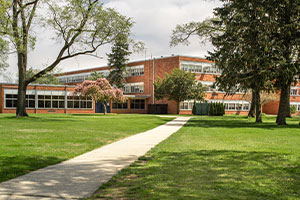
215 North Main Street
White River Junction, VT. 05009
802-295-9363 x5760
White River Junction, VT has nearby treatment options including: 4 medicaid programs, 1 inpatient drug rehab, 3 drug rehabs that take PPO insurance like Cigna, 3 detox centers, 4 outpatient treatment programs.

For help finding an addiction treatment center, Call us!
All calls are 100% confidential and free
1-877-882-9275





West Lebanon Comp Trt Center is 3.9 miles from White River Junction, Vermont
West Lebanon Comp Trt Center has made a name for itself by dedicating its addiction services to the individuals who struggle with alcohol and drug abuse disorders in the White River Junction, VT. area.
Programs are provided on an individualized basis to make sure clients achieve full recovery in the long term. West Lebanon Comp Trt Center also specializes in motivational interviewing, brief intervention approach, contingency management/motivational incentive, couple/family therapy, vocational rehabilitation services, rational emotive behavioral therapy, and others - as well as many other treatment modalities such as persons with post-traumatic stress disorder, transgender or (LGBT) clients, treatment for spanish-speaking clients, suicide prevention services, persons with eating disorders, social skills development, and more.
Additionally, West Lebanon Comp Trt Center has programs such as inpatient rehabs, long term rehab centers, detox facilities, short term drug and alcohol rehabs, intensive outpatient treatment for verifiable addictions to drugs and alcohol. The drug and alcohol rehab uses treatment modalities that can provide lasting and permanent stability to anyone with a substance abuse disorder. Finally, West Lebanon Comp Trt Center accepts individuals with different kinds of payment methods - including cash or self-payment, private medical insurance, payment assistance, medicaid, medicare, state welfare or child and family services funds, state education funds and others.
Better Life Partners is 5.1 miles from White River Junction, Vermont
Better Life Partners is known for dedicating its recovery services to the people who struggle with drug and alcohol use issues in the White River Junction, VT. area.
Programs are provided on an individualized basis to make sure clients find full recovery in the long term. Better Life Partners also specializes in motivational interviewing, brief intervention approach, contingency management/motivational incentive, couple/family therapy, vocational rehabilitation services, rational emotive behavioral therapy, and others - as well as many other treatment modalities such as persons with post-traumatic stress disorder, transgender or (LGBT) clients, treatment for spanish-speaking clients, suicide prevention services, persons with eating disorders, social skills development, and more.
Additionally, Better Life Partners has programs such as inpatient drug and alcohol rehab centers, long term addiction treatment centers, inpatient detoxification centers, short term drug and alcohol rehab centers, outpatient substance abuse counseling for clients with addictions to alcohol and drugs. The addiction treatment program uses treatment modalities that can provide lasting and permanent stability to anyone with an alcohol and drug use issue. Finally, Better Life Partners accepts clients with different kinds of payment methods - including private pay, private medical insurance, payment assistance, medicaid, medicare, state welfare or child and family services funds, state education funds and others.

Addiction Treatment Program is 6.4 miles from White River Junction, Vermont
Addiction Treatment Program is known for dedicating its addiction services to the individuals who struggle with substance abuse disorders in the White River Junction, VT. area.
Services are provided on an individual basis to make sure people achieve full recovery in the long term. Addiction Treatment Program also specializes in motivational interviewing, brief intervention approach, contingency management/motivational incentive, couple/family therapy, vocational rehabilitation services, rational emotive behavioral therapy, and others - as well as other treatment methods such as persons with post-traumatic stress disorder, transgender or (LGBT) clients, treatment for spanish-speaking clients, suicide prevention services, persons with eating disorders, social skills development, and more.
Additionally, Addiction Treatment Program has programs such as inpatient drug rehab programs, long term treatment programs, outpatient detox programs, short term addiction treatment facilities, outpatient individual counseling for clients with addictions to alcohol and drugs. The alcohol and drug rehabilitation program uses treatment modalities that can provide lasting and permanent stability to anyone with a drug and alcohol use issue. Finally, Addiction Treatment Program accepts individuals with different types of payment methods - including cash or self-payment, private medical insurance, payment assistance, medicare, medicaid, state welfare or child and family services funds, state education funds and others.
LGBTQ+ (lesbian, gay, bisexual, transgender, queer, and others) individuals are indeed at a higher risk for drug and alcohol abuse due to a variety of factors that often intersect and compound over time. These factors primarily relate to the stress and challenges associated with living as a marginalized group in many societies. Here are some of the main factors:
Minority Stress: This term refers to the chronic stress faced by individuals belonging to a stigmatized minority group. For LGBTQ+ individuals, this can stem from societal prejudice, discrimination, and violence related to their sexual orientation or gender identity. Such stressors can contribute to increased substance use as a coping mechanism.
Stigma and Discrimination: Experiences of rejection, exclusion, and maltreatment can increase feelings of anxiety and depression, which are associated with higher substance use rates. This can occur in various settings, including workplaces, schools, and even within families and social networks.
Internalized Negative Self-Perceptions: LGBTQ+ individuals may internalize societal biases and develop negative self-perceptions about their identity, leading to feelings of guilt, shame, and low self-esteem. These feelings can contribute to the misuse of substances as a form of self-medication.
Lack of Inclusive Healthcare: Many healthcare systems lack the resources or training to provide culturally competent care to LGBTQ+ individuals. This can make it difficult for these individuals to seek help or access effective treatment for substance use disorders.
Social Isolation: Feelings of isolation, which can be the result of rejection or non-acceptance by family, friends, or society, can increase the risk of substance use and misuse.
Intersectional Identity Stressors: LGBTQ+ individuals who also belong to other marginalized groups (like racial or ethnic minorities) may face additional stressors that can increase the risk of substance abuse.
"Denial is a common characteristic of many people struggling with substance abuse. It involves refusing to accept the reality of their addiction and its damaging consequences. There are several reasons why this denial occurs:
Fear: Admitting a problem means confronting the reality of addiction, including the perceived pain of withdrawal, the work of recovery, and potential stigma. Fear of these challenges can drive a person to deny their problem.
Guilt and Shame: Addiction often brings feelings of guilt and shame. Denial serves as a defense mechanism to avoid these difficult emotions.
Cognitive Impairment: Substance abuse can physically alter brain function, impairing judgment, memory, and self-awareness, making it harder for individuals to recognize or admit they have a problem.
Perception of Normality: If substance use is a daily occurrence, it can seem normal to the person doing it. They may think everyone else is doing the same or that their usage is acceptable or controlled.
Rationalization and Minimization: Individuals with substance use disorders often rationalize their behavior ("I only use on weekends") or minimize the consequences ("I still have my job, so it's not a problem").
Avoidance of Responsibility: Acknowledging the addiction implies a responsibility to change. Denial helps avoid this responsibility.
"Enabling is a behavior often seen in the relationships of individuals struggling with addiction. An enabler, often without realizing it, may protect the individual with addiction from the consequences of their behavior, thus indirectly encouraging continued substance use. If you're unsure whether you might be enabling someone's addiction, consider the following signs:
National Non Profit Helpline - 1-877-882-9275
Our National Non Profit Helpline is a 24/7, 365-day-a-year treatment referral and information service for individuals and families faced with mental and/or substance use disorders.
All calls are strictly confidential
Our service provides referrals to licensed treatment facilities, support groups, and community-based organizations. You don't have to struggle alone with addiction. Help is just a phone call away. Call 1-877-882-9275 now to get the help you need and deserve.



© Copyright 1998 - 2022 All Rights Reserved. Content is protected under copyright laws, do not use content without written permission.
