
38 Elm Street
Montpelier, VT. 05601
802-229-9151
Montpelier, VT has nearby choices for addiction treatment including: 6 low cost treatment centers, 0 inpatient rehab center, 4 drug rehabs that take private insurance like Cigna, 0 drug detox, 4 outpatient treatment programs.

For help finding an addiction treatment center, Call us!
All calls are 100% confidential and free
1-877-882-9275


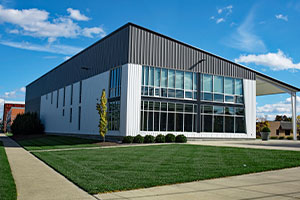


Central Vermont is 6.3 miles from Montpelier, VT
Central Vermont has been offering addiction treatment to people who reside in and around Montpelier, Vermont and who are struggling with substance use disorders. As such, Central Vermont provides a wide array of services such as vocational rehabilitation services, cognitive/behavior therapy, motivational interviewing, individual psychotherapy, brief intervention approach, anger management and others using its unique approaches to addiction treatment.
This rehabilitation facility also believes that each client benefits most from individualized services. Because of this, it has been specializing in a wide collection of personalized treatments like child care for clients children, veterans, domestic violence, persons who have experienced sexual abuse, treatment for spanish-speaking clients, persons with eating disorders and more. In the same way, this addiction treatment program offers these treatments in the following settings - inpatient rehabs, short term drug and alcohol rehab programs, outpatient detox facilities, outpatient counseling, long term drug and alcohol rehabs and more.
Central Vermont also ensures lasting sobriety and stability by promoting a robust aftercare program. Lastly, Central Vermont accepts these payment forms - including private insurance, private pay, sliding fee scale, payment assistance, access to recovery (atr) voucher, other state funds and others.
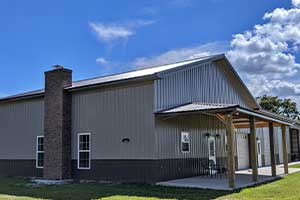
Behavioral Health and Wellness Center is 18.1 miles from Montpelier, VT
An intervention for someone with a drug addiction is a structured and planned event designed to encourage the individual to acknowledge their addiction and seek professional help. The primary goal is to guide the person towards accepting treatment and taking the necessary steps towards recovery. Here is an outline of what typically happens during an intervention:
If you're seeking help for your addiction to drugs and have limited financial resources, there are several options available to you. These organizations and services can provide support, counseling, and treatment at little to no cost:
"Triggers are specific events, emotions, situations, or people that can prompt someone with a history of substance abuse to feel a strong urge or craving to use drugs or alcohol again. These triggers can be external or internal, and they can vary greatly between individuals based on their unique experiences, environment, and psychological makeup. Recognizing and managing triggers is a critical part of the recovery process. Here are some common types of triggers:
Emotional Triggers: Strong emotions, both positive and negative, can act as triggers. Stress, anger, sadness, loneliness, anxiety, and even joy or excitement can prompt a desire to use substances as a way to cope or to enhance the emotional state.
Environmental Triggers: Certain locations, sounds, smells, or time of day associated with past substance use can elicit cravings. This could be places where the person used to use or buy drugs, people they used with, or even certain songs or smells linked to their past use.
Social Triggers: Social situations or specific individuals can serve as triggers, especially if they involve substance use or if the people involved were part of the person's drug-using past.
Physical Triggers: Physical discomfort, illness, or fatigue can potentially lead to cravings, as can the sight of drug paraphernalia or substances themselves.
Psychological Triggers: Thoughts or memories associated with drug use, low self-esteem, boredom, or mental health conditions such as depression or anxiety can also act as triggers.
Celebrations or Special Occasions: Birthdays, holidays, anniversaries, or other celebrations can be triggers, particularly if substance use was a past part of those events.
National Non Profit Helpline - 1-877-882-9275
Our National Non Profit Helpline is a 24/7, 365-day-a-year treatment referral and information service for individuals and families faced with mental and/or substance use disorders.
All calls are strictly confidential
Our service provides referrals to licensed treatment facilities, support groups, and community-based organizations. You don't have to struggle alone with addiction. Help is just a phone call away. Call 1-877-882-9275 now to get the help you need and deserve.



© Copyright 1998 - 2022 All Rights Reserved. Content is protected under copyright laws, do not use content without written permission.

