

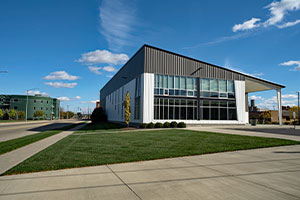
601 West Leota Street
North Platte, NE. 69101
308-696-8000
North Platte, NE has a few different treatment options: 7 low cost treatment centers, 0 inpatient drug rehab, 5 drug rehabs that take private insurance like UnitedHealthCare, 1 detox center, 5 outpatient treatment programs.

For help finding an addiction treatment center, Call us!
All calls are 100% confidential and free
1-877-882-9275



Family Matters Counseling Services LLC has long been dedicated to assisting its clients recovery after a period of substance abuse. It has been doing this within North Platte, Nebraska and in the surrounding areas for many years now. Family Matters Counseling Services LLC provides services like rational emotive behavioral therapy, contingency management/motivational incentive, matrix model, motivational interviewing, cognitive/behavior therapy, behavior modification - which are all representative of their rehabilitation and treatment philosophies. In addition, Family Matters Counseling Services LLC believes that clients need unique and individualized treatment approaches to achieve lasting recovery. This is why it offers several programs, like persons who have experienced sexual abuse, veterans, self-help groups, suicide prevention services, legal advocacy, domestic violence - among other services listed in the following sections.
Family Matters Counseling Services LLC offers short term addiction treatment facilities, outpatient substance abuse treatment services, outpatient detoxification facilities, inpatient treatment programs, long term rehabs and others. Further, Family Matters Counseling Services LLC has relapse prevention programs that are useful in helping clients after they complete treatment. This substance abuse treatment center also uses treatment methods that can help you achieve lasting sobriety.
Finally, Family Matters Counseling Services LLC accepts private health insurance, private pay, payment assistance, sliding fee scale, access to recovery (atr) voucher, county or local government funds, as well as others.

Beacon of Hope Counseling Center LLC has long been dedicated to helping its clients recovery after a period of drug and alcohol addiction. It has been doing this within North Platte, NE. and in the surrounding areas for quite some time. Beacon of Hope Counseling Center LLC offers services like rational emotive behavioral therapy, contingency management/motivational incentive, matrix model, motivational interviewing, cognitive/behavior therapy, behavior modification - which are all representative of their rehabilitation and treatment philosophies. In addition, Beacon of Hope Counseling Center LLC believes that clients need individual focus and treatment for them to find full recovery treatment. This is why it provides various programs, like persons who have experienced sexual abuse, veterans, self-help groups, suicide prevention services, legal advocacy, domestic violence - among other services listed in the following sections.
Beacon of Hope Counseling Center LLC offers short term addiction treatment facilities, outpatient substance abuse counseling, outpatient detox facilities, inpatient drug and alcohol rehab facilities, long term addiction treatment centers and others. Further, Beacon of Hope Counseling Center LLC has continued recovery programs that are designed to help clients maintain their sobriety. This alcohol and drug rehab program also uses treatment types that can help you achieve lasting sobriety.
Finally, Beacon of Hope Counseling Center LLC accepts private insurance, cash or self-payment, payment assistance, sliding fee scale, access to recovery (atr) voucher, county or local government funds, as well as others.

Lutheran Family Services has long been dedicated to helping individuals recovery after a period of alcohol and drug addiction. It has been doing this within North Platte and in the surrounding communities for quite some time. Lutheran Family Services offers services like rational emotive behavioral therapy, contingency management/motivational incentive, matrix model, motivational interviewing, cognitive/behavior therapy, behavior modification - all of which represent their treatment philosophy. In addition, Lutheran Family Services believes that clients need specially tailored treatment programs to achieve recovery. This is why it offers various programs, like persons who have experienced sexual abuse, veterans, self-help groups, suicide prevention services, legal advocacy, domestic violence - among other services listed in the following sections.
Lutheran Family Services offers short term drug addiction treatment, outpatient individual counseling, detoxification programs, inpatient addiction treatment centers, long term drug abuse treatment and others. Lutheran Family Services has relapse prevention programs that are useful in helping clients after they check out of rehab. This alcohol and drug rehab center also uses treatment types that can help you achieve and maintain a full recovery.
Finally, Lutheran Family Services accepts private insurance, private pay, payment assistance, sliding fee scale, access to recovery (atr) voucher, county or local government funds, as well as others.
Opioid addiction is a chronic condition characterized by compulsive use of opioids despite harmful consequences. Recognizing the symptoms of opioid addiction can help in providing timely intervention and support for the affected individual. Some common symptoms of opioid addiction include:
Helping someone afflicted with alcoholism requires a compassionate and supportive approach. The following steps can be useful in assisting an individual struggling with alcohol addiction:
Yes, in the United States, there are several forms of government assistance that can help pay for rehab.
Medicaid: Medicaid is a state and federal program that provides health coverage for some low-income people, families and children, pregnant women, the elderly, and people with disabilities. Many states' Medicaid programs provide coverage for a range of substance use disorder services, including detoxification, outpatient counseling, residential treatment, medication-assisted treatment, and more. The specific services covered and eligibility criteria can vary by state.
Medicare: Medicare, a federal program primarily for people age 65 and older, also provides coverage for some substance use disorder treatment. This can include inpatient rehab, outpatient treatment services, and medication-assisted treatment.
The Affordable Care Act (ACA): The ACA, also known as Obamacare, requires health insurance plans sold on the Health Insurance Marketplace to cover substance use disorder services. This means that individuals who purchase insurance through the Marketplace can access rehab services, often at a lower cost due to income-based subsidies.
Substance Abuse and Mental Health Services Administration (SAMHSA): SAMHSA offers grants to states and organizations to provide treatment and recovery services for individuals with substance use disorders. Individuals may be able to access services funded by these grants at little or no cost.
State and Local Government Programs: Many states and localities have their own programs to help residents access substance use disorder treatment. These programs may offer direct funding for treatment, operate state-funded treatment facilities, or provide vouchers to pay for private treatment.
Veterans Affairs (VA): The VA provides a range of substance use disorder treatment services to eligible veterans, including detoxification, rehab, outpatient counseling, and medication-assisted treatment.
Indian Health Service (IHS): The IHS provides a comprehensive health service delivery system for approximately 2.6 million American Indians and Alaska Natives, including services for substance use disorders.
National Non Profit Helpline - 1-877-882-9275
Our National Non Profit Helpline is a 24/7, 365-day-a-year treatment referral and information service for individuals and families faced with mental and/or substance use disorders.
All calls are strictly confidential
Our service provides referrals to licensed treatment facilities, support groups, and community-based organizations. You don't have to struggle alone with addiction. Help is just a phone call away. Call 1-877-882-9275 now to get the help you need and deserve.



© Copyright 1998 - 2022 All Rights Reserved. Content is protected under copyright laws, do not use content without written permission.

