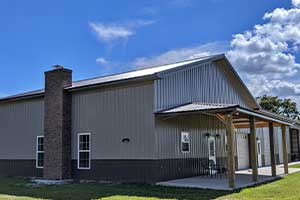
1123 North 9th Street
Beatrice, NE. 68310
402-228-3386
Beatrice, NE has nearby choices for addiction treatment including: 3 medicare programs, 1 inpatient drug rehab, 4 drug rehabs that take private insurance like Cigna, 2 detox centers, 4 outpatient rehabs.

For help finding an addiction treatment center, Call us!
All calls are 100% confidential and free
1-877-882-9275



Nebraska Mental Health Centers is dedicated to helping anyone with an alcohol or drug abuse problem in the Beatrice area find complete recovery. It provides several programs - such as short term drug rehab programs, long term drug and alcohol rehab centers, inpatient drug and alcohol rehab facilities, outpatient substance abuse treatment services, outpatient detox programs and others - in line with its philosophy of the recovery care and rehabilitation modalities that are effective in recovery. This substance abuse treatment center also believes that people need individual treatment to be able to maintain their sobriety.
As such, Nebraska Mental Health Centers specializes in cognitive/behavior therapy, matrix model, brief intervention approach, vocational rehabilitation services, individual psychotherapy, activity therapy and more. At the same time, it accepts patients who are persons with post-traumatic stress disorder, child care for clients children, social skills development, transgender or (LGBT) clients, persons who have experienced sexual abuse, clients with HIV/AIDS, and others. This addiction treatment center uses care modalities that can assist patients to maintain abstinence from the substances abused in the past.
In terms of payment, clients in Nebraska Mental Health Centers can pay for services using private pay, private health insurance, sliding fee scale, military insurance, other state funds, county or local government funds and others.

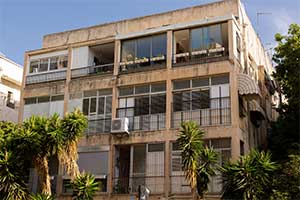
Pine Lake Behavioral Health is 34.2 miles from Beatrice, Nebraska
Pine Lake Behavioral Health is dedicated to assisting anyone with a drug or alcohol abuse issue in Beatrice, Nebraska and within the surrounding neighborhoods find complete recovery. It provides several programs - such as short term drug and alcohol rehab centers, long term drug rehab centers, inpatient drug and alcohol rehab centers, outpatient substance abuse treatment services, detox facilities and others - in line with its belief of the addiction treatment and rehab methods that work in recovery. This addiction treatment center also believes that people need individual care and treatment to be able to stop abusing drugs and alcohol.
As such, Pine Lake Behavioral Health has specialized in cognitive/behavior therapy, matrix model, brief intervention approach, vocational rehabilitation services, individual psychotherapy, activity therapy and more. Similarly, it accepts clients who are persons with post-traumatic stress disorder, child care for clients children, social skills development, transgender or (LGBT) clients, persons who have experienced sexual abuse, clients with HIV/AIDS, and others. This drug and alcohol rehab program uses treatment methods that can assist patients to maintain lasting and permanent abstinence from the substances abused in the past.
In terms of payment, clients in Pine Lake Behavioral Health can pay for services using cash or self-payment, private medical insurance, sliding fee scale, military insurance, other state funds, county or local government funds and others.


Bryan Medical Center West is 37 miles from Beatrice, NE
Drug addiction, also known as Substance Use Disorder (SUD), is a complex condition that affects an individual's brain and behavior, leading to an inability to control the use of drugs despite harmful consequences. Drug addiction can impact a person in various ways, including physical, psychological, social, and emotional aspects of their life. Some of the effects of drug addiction include:
"The 12-step method for treating addiction is a structured, peer-based approach that originated with Alcoholics Anonymous (AA) in the 1930s. Since then, it has been adapted for various other substance use disorders and behavioral addictions, including Narcotics Anonymous (NA), Gamblers Anonymous (GA), and Overeaters Anonymous (OA), among others. The method is based on a set of guiding principles, known as the 12 steps, that outline a path to recovery, personal growth, and spiritual development.
The 12 steps of the method are as follows:
The 12-step method emphasizes the importance of peer support, mutual aid, and the sharing of personal experiences as a means of overcoming addiction. Participants typically attend regular meetings, where they share their stories, listen to others, and work through the steps at their own pace. Many 12-step programs also encourage members to find a sponsor, an experienced member who has worked through the steps and can provide guidance, support, and accountability during the recovery process."
Substance Use Disorder, commonly known as addiction, is a complex disease that affects the brain and behavior. It's important to understand that addiction is not a matter of willpower or moral strength, and it doesn't reflect an individual's love or lack of love for their family. Here's why a person struggling with addiction might not simply stop, even if they deeply care for their family:
Altered Brain Function: Drugs can alter the brain's structure and function, especially in areas related to reward, judgment, decision-making, learning, and memory. This can lead to intense cravings and a compulsive desire to use drugs, despite knowing the harm they're causing.
Physical Dependence: Regular use of certain drugs can lead to physical dependence, where the body needs the drug to function normally. Stopping the drug can cause uncomfortable or even dangerous withdrawal symptoms, which can make quitting extremely difficult without medical help.
Psychological Dependence: Some individuals use drugs to cope with stress, trauma, or mental health disorders. These individuals may feel they cannot function or feel normal without the substance, and overcoming this psychological dependence can be challenging.
Fear of Withdrawal: Fear of the withdrawal process, which can be physically and emotionally painful, can deter individuals from quitting, even if they want to stop for their loved ones.
Denial: Many people struggling with addiction are in denial about the extent of their problem. They may not realize or admit how much their substance use is hurting themselves and their family.
Loving someone, even deeply, does not automatically grant the ability to overcome addiction. Recovery often requires professional help and involves more than just the decision to stop using drugs. It includes learning new coping skills, addressing underlying issues that may contribute to the addiction, and receiving ongoing support. With proper treatment and support, many people are able to recover from addiction and rebuild their relationships with their loved ones.
National Non Profit Helpline - 1-877-882-9275
Our National Non Profit Helpline is a 24/7, 365-day-a-year treatment referral and information service for individuals and families faced with mental and/or substance use disorders.
All calls are strictly confidential
Our service provides referrals to licensed treatment facilities, support groups, and community-based organizations. You don't have to struggle alone with addiction. Help is just a phone call away. Call 1-877-882-9275 now to get the help you need and deserve.



© Copyright 1998 - 2022 All Rights Reserved. Content is protected under copyright laws, do not use content without written permission.
