
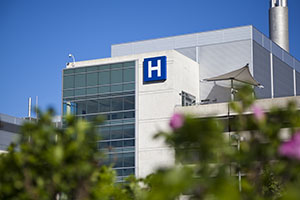
1335 Wyoming Street
Missoula, MT. 59801
406-532-9830
Missoula, MT has a few different treatment options: 7 medicaid programs, 2 inpatient rehabs, 6 drug rehabs that take PPO insurance like BCBS, 2 drug and alcohol detox, 5 outpatient rehabs.

For help finding an addiction treatment center, Call us!
All calls are 100% confidential and free
1-877-882-9275




Missoula Urban Indian Health Center has been dedicating its treatment programs and services to helping people who are struggling with alcohol and drug addiction in Missoula, MT. and its surrounding area.
To this end, Missoula Urban Indian Health Center facilitates a wide range of treatment and rehabilitation services, including outpatient hospital programs, long term rehab facilities, short term treatment facilities, outpatient detoxification programs, inpatient addiction treatment centers and more. Missoula Urban Indian Health Center also believes that it is important that it provides specific services to ensure that individuals get the results that they require. This is why Missoula Urban Indian Health Center is specialized in vocational rehabilitation services, behavior modification, motivational interviewing, rational emotive behavioral therapy, matrix model, dialectical behavior therapy, among other programs.
Missoula Urban Indian Health Center also provides aftercare/continuing care, suicide prevention services, persons with serious mental illness, social skills development, clients with HIV/AIDS, transgender or (LGBT) clients, and provides some of the best continued recovery programs - all of which are necessary and helpful to its clients. This alcohol and drug treatment program also uses treatment modalities that can assist you in achieving long lasting sobriety.
Missoula Urban Indian Health Center also accepts the following forms of payment - private insurance, private pay, payment assistance, sliding fee scale, county or local government funds, state corrections or juvenile justice funds and more.

Stepping Stones Counseling PLLC has been dedicating its services and programs to helping people who are struggling with alcohol and drug addiction in Missoula, Montana and its surrounding area.
To this end, Stepping Stones Counseling PLLC offers a wide range of treatment and rehabilitation methods, including outpatient individual counseling, long term treatment programs, short term treatment centers, inpatient detoxification facilities, inpatient drug addiction treatment and more. Stepping Stones Counseling PLLC also believes that it is important that it provides specific services to ensure that individuals get the results that they are looking for. This is why Stepping Stones Counseling PLLC is specialized in vocational rehabilitation services, behavior modification, motivational interviewing, rational emotive behavioral therapy, matrix model, dialectical behavior therapy, among other programs.
Stepping Stones Counseling PLLC also provides aftercare/continuing care, suicide prevention services, persons with serious mental illness, social skills development, clients with HIV/AIDS, transgender or (LGBT) clients, and provides some of the best aftercare programs - all of which are helpful to its clients. This substance abuse treatment center also uses treatment modalities that can assist you in achieving long lasting sobriety.
Stepping Stones Counseling PLLC also accepts the following forms of payment - private health insurance, cash or self-payment, payment assistance, sliding fee scale, county or local government funds, state corrections or juvenile justice funds and more.

Open Aid Alliance has been dedicating its treatment programs and services to helping individuals who are struggling with substances of abuse in Missoula and within the surrounding area.
Open Aid Alliance offers a wide range of treatment and rehabilitation services, including outpatient individual counseling, long term treatment facilities, short term addiction treatment centers, detox centers, inpatient rehab centers and more. Open Aid Alliance also believes that it is important that it offers tailored services to ensure that individuals get the results that they require. This is why Open Aid Alliance is specialized in vocational rehabilitation services, behavior modification, motivational interviewing, rational emotive behavioral therapy, matrix model, dialectical behavior therapy, among other programs.
Open Aid Alliance also provides aftercare/continuing care, suicide prevention services, persons with serious mental illness, social skills development, clients with HIV/AIDS, transgender or (LGBT) clients, and provides some of the best aftercare programs - all of which are helpful to its clients. This alcohol and drug treatment program also uses treatment methods that can help you achieve the best possible outcome.
Open Aid Alliance also accepts the following types of payment - private medical insurance, private pay, payment assistance, sliding fee scale, county or local government funds, state corrections or juvenile justice funds and more.

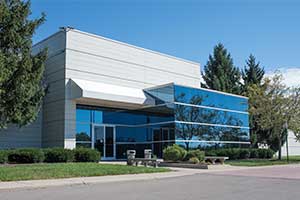
Ideal Option has been dedicating its treatment programs and services to helping individuals who are struggling with substances of abuse in Missoula, MT. and within the surrounding area.
Ideal Option facilitates a wide range of treatment and rehabilitation services, including outpatient substance abuse treatment services, long term rehab centers, short term drug and alcohol rehab facilities, outpatient detoxification programs, inpatient treatment centers and more. Ideal Option also believes that it is necessary that it offers tailored services to ensure that its clients get the results that they want. This is why Ideal Option is specialized in vocational rehabilitation services, behavior modification, motivational interviewing, rational emotive behavioral therapy, matrix model, dialectical behavior therapy, among other programs.
Ideal Option also provides aftercare/continuing care, suicide prevention services, persons with serious mental illness, social skills development, clients with HIV/AIDS, transgender or (LGBT) clients, and provides some of the best continued recovery programs - all of which are necessary and helpful to its clients. This alcohol and drug rehab also uses treatment modalities that can help you achieve full stability both in the long term and permanently.
Ideal Option also accepts the following types of payment - private health insurance, cash or self-payment, payment assistance, sliding fee scale, county or local government funds, state corrections or juvenile justice funds and more.
Substance Use Disorder, commonly known as addiction, is a complex disease that affects the brain and behavior. It's important to understand that addiction is not a matter of willpower or moral strength, and it doesn't reflect an individual's love or lack of love for their family. Here's why a person struggling with addiction might not simply stop, even if they deeply care for their family:
Altered Brain Function: Drugs can alter the brain's structure and function, especially in areas related to reward, judgment, decision-making, learning, and memory. This can lead to intense cravings and a compulsive desire to use drugs, despite knowing the harm they're causing.
Physical Dependence: Regular use of certain drugs can lead to physical dependence, where the body needs the drug to function normally. Stopping the drug can cause uncomfortable or even dangerous withdrawal symptoms, which can make quitting extremely difficult without medical help.
Psychological Dependence: Some individuals use drugs to cope with stress, trauma, or mental health disorders. These individuals may feel they cannot function or feel normal without the substance, and overcoming this psychological dependence can be challenging.
Fear of Withdrawal: Fear of the withdrawal process, which can be physically and emotionally painful, can deter individuals from quitting, even if they want to stop for their loved ones.
Denial: Many people struggling with addiction are in denial about the extent of their problem. They may not realize or admit how much their substance use is hurting themselves and their family.
Loving someone, even deeply, does not automatically grant the ability to overcome addiction. Recovery often requires professional help and involves more than just the decision to stop using drugs. It includes learning new coping skills, addressing underlying issues that may contribute to the addiction, and receiving ongoing support. With proper treatment and support, many people are able to recover from addiction and rebuild their relationships with their loved ones.
LGBTQ+ (lesbian, gay, bisexual, transgender, queer, and others) individuals are indeed at a higher risk for drug and alcohol abuse due to a variety of factors that often intersect and compound over time. These factors primarily relate to the stress and challenges associated with living as a marginalized group in many societies. Here are some of the main factors:
Minority Stress: This term refers to the chronic stress faced by individuals belonging to a stigmatized minority group. For LGBTQ+ individuals, this can stem from societal prejudice, discrimination, and violence related to their sexual orientation or gender identity. Such stressors can contribute to increased substance use as a coping mechanism.
Stigma and Discrimination: Experiences of rejection, exclusion, and maltreatment can increase feelings of anxiety and depression, which are associated with higher substance use rates. This can occur in various settings, including workplaces, schools, and even within families and social networks.
Internalized Negative Self-Perceptions: LGBTQ+ individuals may internalize societal biases and develop negative self-perceptions about their identity, leading to feelings of guilt, shame, and low self-esteem. These feelings can contribute to the misuse of substances as a form of self-medication.
Lack of Inclusive Healthcare: Many healthcare systems lack the resources or training to provide culturally competent care to LGBTQ+ individuals. This can make it difficult for these individuals to seek help or access effective treatment for substance use disorders.
Social Isolation: Feelings of isolation, which can be the result of rejection or non-acceptance by family, friends, or society, can increase the risk of substance use and misuse.
Intersectional Identity Stressors: LGBTQ+ individuals who also belong to other marginalized groups (like racial or ethnic minorities) may face additional stressors that can increase the risk of substance abuse.
The journey to sobriety begins with recognizing that there's a problem and deciding to make a change. Here are the steps you might consider:
Admitting the Problem: The first step towards getting sober is acknowledging that your substance use is causing problems in your life and that you need to make a change. This step can be challenging, as it requires honesty and self-reflection.
Seeking Help: Once you've recognized the problem, the next step is to reach out for help. This could involve talking to a trusted friend or family member, a healthcare provider, or a mental health professional. They can offer support and guidance as you navigate your next steps.
Assessment and Diagnosis: A healthcare professional, such as a doctor or a counselor specializing in addiction, can provide a comprehensive evaluation to understand the extent of your substance use and any co-occurring mental health conditions. This assessment will help guide your treatment plan.
Detoxification: If you're physically dependent on a substance, medically supervised detoxification may be necessary. This process manages the acute physical symptoms of withdrawal that occur when you stop taking the substance.
Treatment Plan: Based on your assessment, a personalized treatment plan will be created. This could involve a combination of individual counseling, group therapy, medication-assisted treatment, and supportive care. Treatment might be provided in various settings, including inpatient rehab, outpatient clinics, or through telehealth services.
Support Networks: Building a strong support network is crucial for maintaining sobriety. This could include sober friends and family, support groups like Alcoholics Anonymous or Narcotics Anonymous, and ongoing therapy or counseling.
Ongoing Recovery and Maintenance: Sobriety is a lifelong journey. Once you've completed a treatment program, it's important to have a plan in place to maintain your sobriety. This might involve ongoing therapy, regular attendance at support group meetings, and self-care practices to manage stress.
Remember, it's okay to ask for help, and it's never too late to start the journey to recovery. Everyone's path to sobriety is different, and what works best will depend on your individual circumstances, including the nature of your substance use, your personal history, and your support network.
National Non Profit Helpline - 1-877-882-9275
Our National Non Profit Helpline is a 24/7, 365-day-a-year treatment referral and information service for individuals and families faced with mental and/or substance use disorders.
All calls are strictly confidential
Our service provides referrals to licensed treatment facilities, support groups, and community-based organizations. You don't have to struggle alone with addiction. Help is just a phone call away. Call 1-877-882-9275 now to get the help you need and deserve.



© Copyright 1998 - 2022 All Rights Reserved. Content is protected under copyright laws, do not use content without written permission.

