Glendive, Montana Drug and Alcohol Rehabilitation Programs
Glendive, MT has nearby treatment options including: 0 medicare program, 0 inpatient drug rehab, 4 drug rehabs that take private insurance like UnitedHealthCare, 0 drug detox, 4 outpatient rehabs.
Get Help - Find a Rehab Center Today
Popular Searches for Drug and Alcohol Rehab in Glendive, Montana:
Skip To Rehab Listing
Alcohol and Drug Rehab Service Settings and Approaches
The large number of individuals who struggle with alcohol and drug addiction in the Glendive area necessitate the presence of a variety of treatment programs, where patients can access the services they need in a convenient setting. These facilities include the following: inpatient drug rehab centers, long term drug and alcohol rehab facilities, outpatient substance abuse treatment services, short term rehab centers, outpatient detoxification centers.
These treatment programs facilites render a number of different methods to addiction rehab, making it possible for patients to find a method that is successful for them. Those looking for rehab can find any of the rehabilitation methods available in Glendive like: cognitive/behavior therapy, 12-step facilitation approach, trauma therapy, dual diagnosis drug rehab, group therapy, rational emotive behavioral therapy.
Special Programs for Addiction Treatment
In order to achieve sustainable recovery, individuals struggling with substance abuse occasionally need customized services designed for their unique circumstances. Glendive, MT. treatment facilities deliver many programs like these: treatment for spanish-speaking clients, persons who have experienced sexual abuse, clients referred from the court/judicial system, substance abuse education, programs for the hearing impaired, persons with eating disorders.
Patients can inquire about a center's services and approaches and receive instruction in finding the right treatment for their needs.
Treatment Payment Options
Alcohol and drug rehab programs also tailor their financing alternatives to suit the different financial needs of their patients. In general, clients have several payment choices for their recovery, including the following: private insurance, private pay, medicaid, medicare, sliding fee scale, other state funds, state education funds.
Those looking for treatment should not permit finances to be an obstacle. Treatment centers can guide them through their payment plans and help them find a workable solution.
Thanks to Glendive's various choices for alcohol and drug rehab and financing, those looking for support can get a convenient, customized, and affordable treatment program.
Dr. Gina M Jansheski, M.D.

Dr. Po-Chang Hsu, M.D., M.S.

Renee Warmbrodt, RN, MSN, CPNP-PC

Alcohol and Drug Treatment Programs Serving the Glendive, Montana Area:
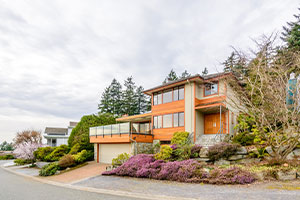 313 Valentine Street
Glendive, MT. 59330
406-377-2072
Prairie Hills Recovery Center is a drug and alcohol treatment program for individuals living in the Glendive area and battling an alcohol and drug abuse disorder and co-occurring mental health disorder. As such, it provides services like cognitive/behavior therapy, 12-step facilitation approach, trauma therapy, dual diagnosis drug rehab, group therapy, rational emotive behavioral therapy and more, that are in line with its philosophy of evidence based treatments that are proven effective.
In the same way, Prairie Hills Recovery Center believes in individual treatment to ensure that their clients achieve the best possible results. The drug and alcohol rehab has also specialized in other types of care like treatment for spanish-speaking clients, persons who have experienced sexual abuse, clients referred from the court/judicial system, substance abuse education, programs for the hearing impaired, persons with eating disorders - among many others. All these services are also offered by Prairie Hills Recovery Center in a variety of settings like inpatient addiction treatment centers, long term treatment facilities, outpatient substance abuse treatment services, short term addiction treatment facilities, inpatient detox centers, as well as others.
In addition, it has aftercare plans and programs designed to help you find permanent and lasting sobriety. These services have made sure that Prairie Hills Recovery Center has a special place within Glendive, Montana and its surrounding area, especially because they lead to positive long term outcomes for the clients who enroll into this addiction treatment facility. Last but not least, Prairie Hills Recovery Center accepts private medical insurance, private pay, medicare, medicaid, sliding fee scale, other state funds, state education funds and others.
 120 West Town Street
Glendive, MT. 59330
406-245-6539
Youth Dynamics Inc is an addiction treatment center for individuals living in the local community while battling a drug and alcohol use disorder . It provides services like cognitive/behavior therapy, 12-step facilitation approach, trauma therapy, dual diagnosis drug rehab, group therapy, rational emotive behavioral therapy and more, that are in line with its philosophy of the treatments that have been proved to work.
In the same way, Youth Dynamics Inc believes in individual treatment to make sure that their patients find success and sobriety. The drug and alcohol rehabilitation program has also specialized in other treatments like treatment for spanish-speaking clients, persons who have experienced sexual abuse, clients referred from the court/judicial system, substance abuse education, programs for the hearing impaired, persons with eating disorders - among many others. All these services are also offered by Youth Dynamics Inc in different settings like inpatient rehab facilities, long term drug and alcohol rehab facilities, outpatient substance abuse counseling, short term addiction treatment centers, outpatient detox programs, as well as others.
Further, it has aftercare plans and other treatment methods designed to help you achieve permanent and lasting sobriety. These services have made sure that Youth Dynamics Inc has a special place within Glendive and its surrounding area, especially because they promote positive long term outcomes for the people who enroll into this drug and alcohol rehab facility. Last but not least, Youth Dynamics Inc accepts private insurance, cash or self-payment, medicaid, medicare, sliding fee scale, other state funds, state education funds and others.
Sunrise Wellness Center
1405 4th Street SW
Sidney, MT. 59270
406-643-4095
Sunrise Wellness Center is 50.6 miles from Glendive, MT
Sunrise Wellness Center is a drug and alcohol rehab facility for individuals residing in the local community while battling a drug and alcohol use issue . It offers services like cognitive/behavior therapy, 12-step facilitation approach, trauma therapy, dual diagnosis drug rehab, group therapy, rational emotive behavioral therapy and more, that are in line with its philosophy of the treatments that have been proved to work.
Sunrise Wellness Center believes in individual treatment to ensure that their patients find success and sobriety. The drug and alcohol rehabilitation program also specializes in other treatments like treatment for spanish-speaking clients, persons who have experienced sexual abuse, clients referred from the court/judicial system, substance abuse education, programs for the hearing impaired, persons with eating disorders - among many others. All these services are also offered by Sunrise Wellness Center in a variety of settings like inpatient drug addiction treatment, long term drug and alcohol rehab facilities, intensive outpatient treatment, short term rehab centers, outpatient detoxification programs, as well as others.
Further, it has aftercare plans and programs and other treatment methods created to help you find lasting sobriety. These programs have ensured that Sunrise Wellness Center has a special place within Glendive, MT. and its surrounding area, especially because they lead to positive long term outcomes for the people who enroll into this substance abuse treatment center. Last but not least, Sunrise Wellness Center accepts private insurance, private pay, medicare, medicaid, sliding fee scale, other state funds, state education funds and others.
Prairie Hills Recovery Center
623 North Central Avenue
Sidney, MT. 59270
406-488-3001
Prairie Hills Recovery Center is 51.6 miles from Glendive, MT
Prairie Hills Recovery Center is an alcohol and drug rehab program for people residing in Glendive, Montana and its surrounding areas and battling an alcohol and drug abuse issue and co-occurring mental health disorder. It offers services like cognitive/behavior therapy, 12-step facilitation approach, trauma therapy, dual diagnosis drug rehab, group therapy, rational emotive behavioral therapy and more, that are in keeping with its philosophy of the treatments that have been proved to work.
Prairie Hills Recovery Center believes in individual treatment to ensure that their clients find success and sobriety. The alcohol and drug rehab center has also specialized in other types of care like treatment for spanish-speaking clients, persons who have experienced sexual abuse, clients referred from the court/judicial system, substance abuse education, programs for the hearing impaired, persons with eating disorders - among many others. Many of these services are also provided by Prairie Hills Recovery Center in different settings like inpatient treatment centers, long term drug and alcohol rehab facilities, outpatient individual counseling, short term drug and alcohol rehab facilities, detoxification programs, as well as others.
In addition, it has aftercare plans and other treatment methods designed to help you achieve permanent and lasting stability. These programs have ensured that Prairie Hills Recovery Center has a special place within the local community, especially because they promote positive long term outcomes for the people who enroll into this alcohol and drug rehab center. Lastly, Prairie Hills Recovery Center accepts private medical insurance, cash or self-payment, medicare, medicaid, sliding fee scale, other state funds, state education funds and others.
Find Drug and Alcohol Treatment Centers in or around the following Montana cities:
Top Cities For Recovery:
Commonly Asked Questions about Addiction and Treatment
How to face a drug abuser as a family?
Facing a family member who is a drug abuser is a challenging and emotional process. The ultimate goal should be to encourage the individual to seek help. Here are some steps that can be taken:
- Educate Yourself: Understanding addiction is key. It's a complex disease that affects both the brain and behavior. Learning about the nature of addiction, its causes, its effects, and the process of recovery will equip you with the necessary knowledge to approach your loved one.
- Create a Safe Space for Dialogue: Organize a time to sit down and discuss your concerns. The environment should be non-judgmental and non-confrontational to prevent the person from feeling attacked or defensive.
- Express Concern and Love: Start the conversation expressing your love and concern. Be honest about your feelings and observations, providing specific examples of behaviors that have worried you.
- Use "I" Statements: Instead of accusing or blaming, use "I" statements to express how you feel. For instance, instead of saying, "You're ruining your life," say, "I feel worried and scared when I see you harming yourself."
- Encourage Them to Seek Help: Encourage your loved one to seek professional help. Offer to assist them in finding resources, such as therapists, counselors, rehabilitation centers, or support groups.
- Consider an Intervention: If direct conversation doesn't work, consider planning a professional intervention. An intervention involves a gathering of close friends and family who express concern and urge the individual to get help, guided by a professional interventionist.
- Set Boundaries: It's important to protect your own well-being. This can involve setting boundaries regarding what behaviors you will not tolerate. Be firm about these boundaries and the consequences of crossing them.
- Seek Support for Yourself: Coping with a loved one's addiction can be emotionally taxing. Don't neglect your own needs. Seek support from therapists, counselors, or support groups designed for family members of people struggling with substance abuse.
What happens in an intervention for someone with an addiction to drugs?
An intervention for someone with a drug addiction is a structured and planned event designed to encourage the individual to acknowledge their addiction and seek professional help. The primary goal is to guide the person towards accepting treatment and taking the necessary steps towards recovery. Here is an outline of what typically happens during an intervention:
- Planning: Before the intervention, loved ones and concerned parties (such as family members and friends) gather to discuss the situation and develop a plan. They may enlist the help of a professional interventionist, who can provide guidance on the intervention process and help maintain focus on the desired outcome.
- Preparation: Participants gather information about the person's addiction, the impact it has had on their lives, and the available treatment options. They also prepare personal statements expressing their concern, love, and support, while addressing the negative consequences of the individual's drug use.
- Rehearsal: The group rehearses the intervention to ensure that everyone is prepared, confident, and aware of their roles. This step helps participants maintain a calm and non-confrontational tone during the actual intervention.
- The intervention meeting: The person with the addiction is invited to a pre-arranged location, often under the pretense of a different event. The group then confronts the individual with their prepared statements, detailing the impact of the addiction on their lives and urging the person to seek help.
- Presentation of treatment options: The group presents the person with a pre-selected treatment plan or multiple options, emphasizing the importance of immediate action. It's crucial to have arrangements in place, such as pre-admission to a treatment facility or an appointment with a counselor, to facilitate a smooth transition into treatment.
- Setting boundaries and consequences: During the intervention, participants establish clear boundaries and consequences if the person refuses to accept help. These consequences may include ceasing financial support, limiting contact, or other actions to protect themselves from the negative effects of the addiction.
- Support and encouragement: Throughout the intervention, participants express their love and support for the individual, emphasizing their belief in the person's ability to recover and rebuild their life.
- Post-intervention follow-up: If the person agrees to seek treatment, the group continues to provide support during their recovery process. If the person refuses help, the group must follow through with the established consequences to reinforce the seriousness of the situation.
What are the effects of fentanyl?
Pain relief: Fentanyl's primary medical use is for pain relief, as it binds to opioid receptors in the brain and spinal cord to reduce the perception of pain and increase pain tolerance.
Euphoria: Like other opioids, fentanyl can produce feelings of euphoria by increasing the release of neurotransmitters such as dopamine in the brain, which can contribute to its potential for abuse and addiction.
Sedation: Fentanyl can cause drowsiness, sedation, and a general feeling of relaxation. In medical settings, this effect is often desirable, but it can be dangerous if the drug is taken recreationally or without proper supervision.
Respiratory depression: One of the most severe side effects of fentanyl is respiratory depression, which is a slowing of the breathing rate. This can lead to a lack of oxygen, resulting in brain damage, coma, or death, especially if taken in high doses or combined with other substances that suppress breathing.
Nausea and vomiting: Fentanyl can cause gastrointestinal side effects, such as nausea and vomiting, which are common among opioid users.
Constipation: Opioids like fentanyl can slow down the movement of food through the digestive tract, resulting in constipation.
Itching: Fentanyl and other opioids can cause histamine release, leading to itching or skin irritation in some users.
Dependence and addiction: Due to its potency, fentanyl has a high potential for dependence and addiction. Prolonged use can lead to physical dependence, withdrawal symptoms, and psychological addiction, making it challenging to stop using the drug.
Overdose: Fentanyl's potency increases the risk of overdose, which can be life-threatening. Symptoms of fentanyl overdose include extreme drowsiness, difficulty breathing, slow heart rate, low blood pressure, and unconsciousness. Naloxone, an opioid antagonist, can be administered to reverse the effects of a fentanyl overdose, but multiple doses may be required due to fentanyl's potency.
National Non Profit Helpline - 1-877-882-9275
Our National Non Profit Helpline is a 24/7, 365-day-a-year treatment referral and information service for individuals and families faced with mental and/or substance use disorders.
All calls are strictly confidential
Our service provides referrals to licensed treatment facilities, support groups, and community-based organizations. You don't have to struggle alone with addiction. Help is just a phone call away. Call 1-877-882-9275 now to get the help you need and deserve.
1-877-882-9275





