
556 South Arizona Boulevard
Coolidge, AZ. 85128
520-466-7765
Coolidge, AZ has several nearby treatment choices including: 4 medicaid treatment centers, 1 inpatient rehab, 1 drug rehab that takes PPO insurance like Cigna, 0 drug detox, 4 outpatient treatment programs.

For help finding an addiction treatment center, Call us!
All calls are 100% confidential and free
1-877-882-9275



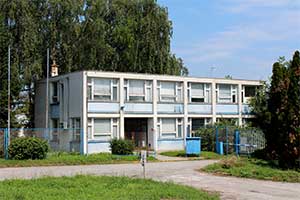
Living Waters Behav Health Servs LLC is 11.8 miles from Coolidge, Arizona
Living Waters Behav Health Servs LLC has long been dedicated to helping its clients recovery after a period of alcohol and drug addiction. It has been doing this within Coolidge, AZ. and in the surrounding communities for quite some time. Living Waters Behav Health Servs LLC provides services like vocational rehabilitation services, trauma-related counseling, dialectical behavior therapy, contingency management/motivational incentive, trauma therapy, anger management - all of which represent their treatment philosophy. Living Waters Behav Health Servs LLC believes that clients need unique and individualized treatment approaches to achieve lasting recovery. This is why it provides several programs, like legal advocacy, persons with post-traumatic stress disorder, housing services, transgender or (LGBT) clients, suicide prevention services, clients with HIV/AIDS - among other services listed in the following sections.
In the same way, Living Waters Behav Health Servs LLC offers long term drug abuse treatment, outpatient hospital programs, inpatient drug rehab programs, detox programs, short term drug rehab facilities and others. Living Waters Behav Health Servs LLC has continued recovery programs that are useful in helping clients after they check out of rehab. This alcohol and drug treatment program also uses treatment types that can help you create both lasting and permanent stability.
Finally, Living Waters Behav Health Servs LLC accepts private pay, private medical insurance, medicare, medicaid, payment assistance, access to recovery (atr) voucher, state welfare or child and family services funds, as well as others.

Corazon is 14 miles from Coolidge, Arizona

Transitional Living Center Recovery is 14.6 miles from Coolidge, AZ
Transitional Living Center Recovery has long been dedicated to helping individuals recovery after a period of substance abuse. It has been doing this within Coolidge and in the surrounding communities for quite some time. Transitional Living Center Recovery provides services like vocational rehabilitation services, trauma-related counseling, dialectical behavior therapy, contingency management/motivational incentive, trauma therapy, anger management - which are all in line with their philosophy of the treatments and rehabilitation programs that work. Transitional Living Center Recovery believes that clients need specially tailored treatment programs to achieve recovery. This is why it offers several programs, like legal advocacy, persons with post-traumatic stress disorder, housing services, transgender or (LGBT) clients, suicide prevention services, clients with HIV/AIDS - among other services listed in the following sections.
Transitional Living Center Recovery offers long term drug rehab programs, outpatient substance abuse treatment services, inpatient rehab centers, outpatient detoxification centers, short term treatment facilities and others. Transitional Living Center Recovery has continued recovery programs that are designed to help clients maintain their sobriety. This addiction treatment program also uses treatment types that can help you create both lasting and permanent stability.
Finally, Transitional Living Center Recovery accepts private pay, private medical insurance, medicaid, medicare, payment assistance, access to recovery (atr) voucher, state welfare or child and family services funds, as well as others.
In the mental health field, drug addiction is commonly referred to as a "Substance Use Disorder" (SUD). This term is used in the Diagnostic and Statistical Manual of Mental Disorders, Fifth Edition (DSM-5), which is the standard classification of mental disorders used by mental health professionals in the United States.
A Substance Use Disorder is defined as a pattern of behaviors characterized by an inability to control or cut down on use, spending a lot of time obtaining the substance, craving the substance, failing to fulfill obligations at work, school, or home due to substance use, and continuing to use the substance despite knowing it's causing physical or psychological harm.
Substance Use Disorders can be further categorized based on the specific substance involved, such as Alcohol Use Disorder, Opioid Use Disorder, Cannabis Use Disorder, and so forth. The severity of the disorder is also assessed (mild, moderate, or severe) based on the number of diagnostic criteria met by an individual.
It's worth noting that this terminology emphasizes the understanding of drug addiction as a medical disorder, rather than a moral failing or a matter of willpower. This shift in language is part of a larger effort to reduce stigma and promote a more compassionate, effective approach to treatment.
"Yes, it is possible to successfully receive treatment for alcohol addiction on an outpatient basis. Outpatient treatment programs can be an effective and flexible option for individuals who cannot commit to inpatient or residential programs due to work, family, or other responsibilities. However, the success of outpatient treatment largely depends on the individual's motivation, support system, and the severity of their addiction. While outpatient treatment can be successful for many individuals, it may not be suitable for everyone. Those with severe alcohol addiction, a history of relapse, or co-occurring mental health disorders may require more intensive inpatient or residential treatment to ensure their safety and promote lasting recovery.
Ultimately, the success of outpatient treatment for alcohol addiction depends on the individual's commitment, the support of their family and friends, and the quality of the treatment program. It is essential to choose a reputable and evidence-based outpatient program and to be fully engaged in the recovery process for the best possible outcome."
The decision of whether to stay close to home or go away for addiction treatment depends on various individual factors and personal preferences. Each option has its own set of advantages and potential drawbacks. Here are some points to consider when making your decision:
National Non Profit Helpline - 1-877-882-9275
Our National Non Profit Helpline is a 24/7, 365-day-a-year treatment referral and information service for individuals and families faced with mental and/or substance use disorders.
All calls are strictly confidential
Our service provides referrals to licensed treatment facilities, support groups, and community-based organizations. You don't have to struggle alone with addiction. Help is just a phone call away. Call 1-877-882-9275 now to get the help you need and deserve.



© Copyright 1998 - 2022 All Rights Reserved. Content is protected under copyright laws, do not use content without written permission.
