Drug and Alcohol Rehab Programs in Apache Junction, Arizona
Apache Junction, AZ has nearby choices for addiction treatment including: 3 medicaid programs, 2 inpatient treatment centers, 1 drug rehab that takes PPO insurance like Blue Cross Blue Shield, 1 drug detox, 3 outpatient rehabs.
Get Help - Find a Rehab Center Today
Popular Searches for Drug and Alcohol Rehab in Apache Junction, Arizona:
Skip To Rehab Listing
However, for individuals struggling with drug and alcohol addiction problems, Apache Junction can also offer resources in the form of 25 addiction treatment programs designed to help clients in their treatment.
Drug and Alcohol Treatment Approaches and Settings
Apache Junction area residents who have a problem with drug and alcohol abuse have many rehab settings available to them, such as the following: short term addiction treatment programs, long term rehab programs, inpatient treatment centers, outpatient substance abuse treatment services, outpatient detoxification programs.
These treatment centers make substance abuse treatment easy to access, with convenient locations and several varying treatment approaches from which to choose, such as those listed here: rational emotive behavioral therapy, contingency management/motivational incentive, couple/family therapy, anger management, group therapy, activity therapy.
Special Programs for Drug and Alcohol Treatment
Substance abuse affects every person differently. In order to accommodate these differences and offer more tailored treatment, alcohol and drug rehabs in Apache Junction offer several special programs for clients such as: clients with HIV/AIDS, persons with post-traumatic stress disorder, substance abuse education, domestic violence, co-occurring mental and substance abuse disorders, persons with eating disorders.
Clients who feel they may need these customized services can explore them with the rehab center in order to get support that is meant to maximize the chances of sustained sobriety.
Treatment Payment Options
Residents of Apache Junction come from differing economic circumstances, making it vital for rehabilitation programs to deliver various payment options that place rehab within financial reach. Clients can expect to get financing alternatives at local alcohol and drug rehabilitation programs including the following: private pay, private health insurance, payment assistance, medicare, medicaid, state education funds, access to recovery (atr) voucher.
Regardless of a patient's economic situation, finances should not be a barrier to rehab. Drug and alcohol rehab programs guide individuals through their financing alternatives and help them pinpoint a way to afford their treatment.
The result of multiple rehab programs, approaches, programs, and payment alternatives is that treatment for alcohol and drug addiction is possible for as many individuals who need it.
Dr. Gina M Jansheski, M.D.

Dr. Po-Chang Hsu, M.D., M.S.

Renee Warmbrodt, RN, MSN, CPNP-PC

Alcohol and Drug Rehab Facilities Serving the Apache Junction, Arizona Area:
 11518 East Apache Trail
Apache Junction, AZ. 85120
480-317-2214
La Frontera Arizona EMPACT SPC has long been dedicated to assisting its clients recovery after a period of drug and alcohol addiction. It has been doing this within Apache Junction, Arizona and in the surrounding communities for many years now. La Frontera Arizona EMPACT SPC offers services like rational emotive behavioral therapy, contingency management/motivational incentive, couple/family therapy, anger management, group therapy, activity therapy - which are all in line with their philosophy of the treatments and rehabilitation programs that work. La Frontera Arizona EMPACT SPC believes that clients need specially tailored treatment programs to achieve recovery. This is why it offers various programs, like clients with HIV/AIDS, persons with post-traumatic stress disorder, substance abuse education, domestic violence, co-occurring mental and substance abuse disorders, persons with eating disorders - among other services listed in the following sections.
In the same way, La Frontera Arizona EMPACT SPC offers short term treatment centers, long term drug rehab facilities, inpatient addiction treatment programs, outpatient individual counseling, detox centers and others. La Frontera Arizona EMPACT SPC has aftercare plans that are useful in helping clients after they complete treatment. This substance abuse treatment center also uses treatment types that can help you create both lasting and permanent stability.
Finally, La Frontera Arizona EMPACT SPC accepts private pay, private insurance, payment assistance, medicaid, medicare, state education funds, access to recovery (atr) voucher, as well as others.
Residents at the Heights DBA Unhooked Recovery Power Road
 215 South Power Road
Mesa, AZ. 85206
602-368-1198
Residents at the Heights is 15.1 miles from Apache Junction, AZ
Residents at the Heights has long been dedicated to helping individuals recovery after a period of drug and alcohol addiction. It has been doing this within Apache Junction and in the surrounding communities for quite some time. Residents at the Heights offers services like rational emotive behavioral therapy, contingency management/motivational incentive, couple/family therapy, anger management, group therapy, activity therapy - which are all representative of their rehabilitation and treatment philosophies. Residents at the Heights believes that clients need individual focus and treatment for them to find full recovery treatment. This is why it offers several programs, like clients with HIV/AIDS, persons with post-traumatic stress disorder, substance abuse education, domestic violence, co-occurring mental and substance abuse disorders, persons with eating disorders - among other services listed in the following sections.
Residents at the Heights offers short term drug and alcohol rehab programs, long term drug addiction treatment, inpatient rehab facilities, outpatient counseling, outpatient detox programs and others. Further, Residents at the Heights has relapse prevention programs that are useful in helping clients after they complete treatment. This alcohol and drug treatment facility also uses treatment methods that can help you achieve lasting sobriety.
Finally, Residents at the Heights accepts private pay, private health insurance, payment assistance, medicare, medicaid, state education funds, access to recovery (atr) voucher, as well as others.
New Hope Behavioral Health Center Inc
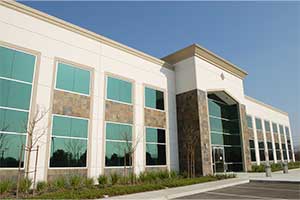 215 South Power Road
Mesa, AZ. 85206
480-981-1022
New Hope Behavioral Health Center Inc is 15.1 miles from Apache Junction, AZ
Opioid Dependence Substance Abuse Outpatient Methadone Treatment and Behavioral Health Clinic.
Unhooked LLC
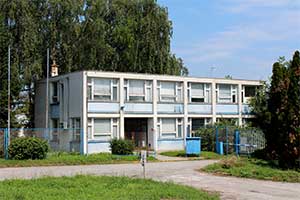 5801 East Main Street
Mesa, AZ. 85205
602-368-4471
Unhooked LLC is 16.4 miles from Apache Junction, AZ
Unhooked LLC has long been dedicated to assisting its clients recovery after a period of substance abuse. It has been doing this within Apache Junction, AZ. and in the surrounding communities for quite some time. Unhooked LLC provides services like rational emotive behavioral therapy, contingency management/motivational incentive, couple/family therapy, anger management, group therapy, activity therapy - which are all in line with their philosophy of the treatments and rehabilitation programs that work. In addition to, Unhooked LLC believes that clients need unique and individualized treatment approaches to achieve lasting recovery. This is why it offers several programs, like clients with HIV/AIDS, persons with post-traumatic stress disorder, substance abuse education, domestic violence, co-occurring mental and substance abuse disorders, persons with eating disorders - among other services listed in the following sections.
In the same way, Unhooked LLC offers short term addiction treatment centers, long term drug rehab facilities, inpatient addiction treatment programs, outpatient day treatment, inpatient detoxification facilities and others. Unhooked LLC has relapse prevention programs that are useful in helping clients after they check out of rehab. This drug and alcohol treatment facility also uses treatment methods that can help you achieve lasting sobriety.
Finally, Unhooked LLC accepts cash or self-payment, private health insurance, payment assistance, medicare, medicaid, state education funds, access to recovery (atr) voucher, as well as others.
Find Drug and Alcohol Treatment Centers in or around the following Arizona cities:
Top Cities For Recovery:
Commonly Asked Questions about Addiction and Treatment
Can alcohol withdrawal be fatal?
Yes, alcohol withdrawal can be fatal in severe cases, which is why it should always be managed under the supervision of healthcare professionals. This is especially true for individuals who have been drinking heavily for a long period of time or who have a history of severe withdrawal symptoms.
The most serious form of alcohol withdrawal is called delirium tremens (DTs), which occurs in approximately 5% of patients undergoing withdrawal. It typically starts 48 to 72 hours after the last drink, and symptoms can include severe confusion, hallucinations, high blood pressure, fever, heavy sweating, and rapid heartbeat. In addition to these, seizures can occur, which add to the risk.
Delirium tremens is a medical emergency and can be life-threatening if not treated promptly. Mortality rates without treatment are estimated to be as high as 35%, but with appropriate treatment, this rate drops to 5-15%.
Even less severe cases of alcohol withdrawal can be dangerous because they can lead to dehydration, severe vomiting, or other complications. Furthermore, withdrawal symptoms can make it difficult for an individual to maintain abstinence from alcohol, increasing the risk of a potentially dangerous relapse.
What is the purpose of drugs such as methadone, suboxone and subutex in the recovery process?
Methadone, Suboxone (a combination of buprenorphine and naloxone), and Subutex (buprenorphine) are medications used in Medication-Assisted Treatment (MAT) for opioid use disorders. Their primary purpose in the recovery process is to help manage withdrawal symptoms and reduce cravings, facilitating a safer, more comfortable transition to abstinence or long-term management of the disorder. Here's a more detailed look at how each of these medications function:
Methadone: Methadone is a long-acting opioid agonist, which means it activates the same receptors in the brain that other opioids like heroin, morphine, or prescription painkillers do. However, it does so more slowly and for a longer duration, without causing the intense euphoria associated with misuse of those drugs. This helps to mitigate withdrawal symptoms and cravings, enabling individuals to function more normally in daily life.
Suboxone: Suboxone contains two active ingredients: buprenorphine and naloxone. Buprenorphine is a partial opioid agonist, meaning it activates the opioid receptors in the brain, but to a lesser extent than full agonists like heroin or methadone. This can help manage cravings and withdrawal symptoms without producing the high associated with opioid misuse. Naloxone is an opioid antagonist, meaning it blocks the effects of opioids. It's included in Suboxone to discourage misuse of the medication; if someone tries to inject Suboxone, the naloxone will trigger withdrawal symptoms.
Subutex: Subutex is the brand name for buprenorphine alone. Like in Suboxone, buprenorphine in Subutex serves to lessen withdrawal symptoms and reduce cravings. It is typically used in the initial stages of treatment, while Suboxone is more commonly used for maintenance.
These medications are typically used as part of a comprehensive treatment plan that also includes counseling and behavioral therapies. It's important to note that while these medications can be highly effective in supporting recovery, they should be used under the guidance of a healthcare provider due to the risk of misuse and potential side effects. Each individual's treatment plan should be tailored to their unique needs and circumstances to ensure the best possible outcomes.
How do you help a person afflicted with alcoholism?
Helping someone afflicted with alcoholism requires a compassionate and supportive approach. The following steps can be useful in assisting an individual struggling with alcohol addiction:
-
Educate yourself: Gain an understanding of alcoholism, its causes, symptoms, and treatment options. This will help you better empathize with the person and offer informed support.
-
Express concern: Initiate a conversation with the person in a non-confrontational manner. Express your concerns about their alcohol use and its impact on their well-being. Be patient, empathetic, and avoid judgmental language.
-
Encourage professional help: Encourage the person to seek help from a medical professional, therapist, or addiction counselor. Offer assistance in finding appropriate resources and support them in taking the first steps towards treatment.
-
Offer emotional support: Be available to listen and provide emotional support throughout the recovery process. It is essential to maintain open lines of communication and offer a safe space for the individual to share their experiences and feelings.
-
Encourage participation in support groups: Recommend joining support groups such as Alcoholics Anonymous (AA) or SMART Recovery, which provide a community of individuals with similar experiences and can offer guidance and encouragement throughout the recovery process.
-
Establish boundaries: Set clear boundaries to protect your own well-being and communicate your expectations about the person's behavior. Be firm but understanding, and make it clear that you will not enable their alcohol use.
-
Assist with lifestyle changes: Help the person develop healthier habits, such as engaging in physical activity, improving their diet, and finding alternative ways to manage stress. Offer to participate in these activities together to provide additional support and motivation.
-
Be patient: Recovery from alcoholism is a long-term process, and relapses may occur. Understand that setbacks are a part of the journey, and continue to offer support and encouragement as the person works towards sobriety.
-
Care for yourself: Supporting someone with alcoholism can be emotionally taxing. Make sure you are taking care of your own mental and emotional health by seeking support from friends, family, or professional counselors if needed.
National Non Profit Helpline - 1-877-882-9275
Our National Non Profit Helpline is a 24/7, 365-day-a-year treatment referral and information service for individuals and families faced with mental and/or substance use disorders.
All calls are strictly confidential
Our service provides referrals to licensed treatment facilities, support groups, and community-based organizations. You don't have to struggle alone with addiction. Help is just a phone call away. Call 1-877-882-9275 now to get the help you need and deserve.
1-877-882-9275




