Minot, ND Alcohol and Drug Rehabilitation Programs
Minot, ND has various treatment options: 5 medicare treatment centers, 3 inpatient treatment centers, 7 drug rehabs that take private insurance like BCBS, 2 drug and alcohol detox, 10 outpatient rehabs.
Get Help - Find a Rehab Center Today
Popular Searches for Drug and Alcohol Rehab in Minot, North Dakota:
Skip To Rehab Listing
Even so, for people struggling with drug and alcohol abuse problems, Minot can also offer solutions in the form of 34 substance abuse treatment facilities intended to help clients in their recoveries.
Alcohol and Drug Rehab Approaches and Settings
Minot area residents who have a problem with alcohol and drug abuse have many recovery settings available to them, such as the following: detoxification centers, outpatient day treatment, long term treatment facilities, inpatient treatment facilities, short term addiction treatment programs.
These treatment centers make alcohol and drug rehabilitation easy to obtain, with convenient locations and several different treatment modalities from which to choose, including those listed here: individual psychotherapy, cognitive/behavior therapy, matrix model, group therapy, contingency management/motivational incentive, 12-step facilitation approach.
Special Programs for Substance Abuse Treatment
Alcohol and drug abuse impacts every individual differently. In order to accommodate these differences and deliver a more customized treatment, addiction treatment programs in Minot offer a number of special programs for clients such as: clients with HIV/AIDS, co-occurring mental and substance abuse disorders, substance abuse education, veterans, persons with eating disorders, domestic violence.
Patients who feel they may need these special programs can discuss them with the treatment facility to get support that is designed to maximize the chances of lasting recovery.
Treatment Payment Options
Residents of Minot come from varied economic situations, making it vital for rehab centers to provide various payment alternatives that place rehab within financial reach. Patients can expect to get funding options at local drug and alcohol rehabilitation programs such as the following: private medical insurance, cash or self-payment, medicare, medicaid, sliding fee scale, access to recovery (atr) voucher, state corrections or juvenile justice funds.
Despite a patient's financial status, money should not be an obstacle to rehab. Alcohol and drug treatment programs guide individuals through their financing options and help them pinpoint a way to pay for their rehab.
The goal of varied rehabs, approaches, programs, and financing options is that treatment for substance abuse is accessible for as many people who really need it.
Dr. Gina M Jansheski, M.D.

Dr. Po-Chang Hsu, M.D., M.S.

Renee Warmbrodt, RN, MSN, CPNP-PC

Drug and Alcohol Rehabs Serving the Minot, North Dakota Area:
 1705 4th Avenue NW
Minot, ND. 58703
701-839-0474
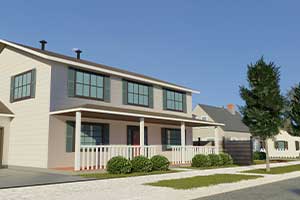
Cornerstone Addiction Services is committed to helping anyone with an alcohol or drug use disorder in Minot, North Dakota and its surrounding areas find full recovery. It offers several services - such as outpatient detoxification centers, outpatient substance abuse treatment services, long term rehab facilities, inpatient treatment programs, short term drug rehab programs and others - in keeping with its philosophy of the recovery treatment and rehab methods that are effective in recovery. This drug and alcohol rehabilitation program also believes that people require individual treatment and care to be able to maintain their sobriety.
As such, Cornerstone Addiction Services has specialized in individual psychotherapy, cognitive/behavior therapy, matrix model, group therapy, contingency management/motivational incentive, 12-step facilitation approach and more. Similarly, it accepts clients who are clients with HIV/AIDS, co-occurring mental and substance abuse disorders, substance abuse education, veterans, persons with eating disorders, domestic violence, and others. This alcohol and drug rehab facility uses care methods that can help patients to achieve abstinence from the substances abused in the past.
In terms of payment, clients in Cornerstone Addiction Services can pay for services using private insurance, private pay, medicaid, medicare, sliding fee scale, access to recovery (atr) voucher, state corrections or juvenile justice funds and others.
 1809 South Broadway
Minot, ND. 58701
701-858-9026
A.D.A.P.T., Inc. is licensed through the Secretary of State of North Dakota and bonded and insured through the National Association of Social Workers. We have been providing our clients with the tools to change their lifestyle since 2001 when incorporated in the state of North Dakota.
 4 39th Avenue SW
Minot, ND. 58701
701-852-3200
Growing Together Inc is committed to helping anyone with a drug or alcohol use disorder in the local community find full recovery. It offers several services - such as outpatient detox facilities, outpatient substance abuse counseling, long term drug rehab programs, inpatient treatment facilities, short term rehab programs and others - in keeping with its philosophy of the recovery treatment and rehabilitation methods that work in recovery. This substance abuse treatment center also believes that clients require individual care to be able to stop abusing drugs and alcohol.
As such, Growing Together Inc specializes in individual psychotherapy, cognitive/behavior therapy, matrix model, group therapy, contingency management/motivational incentive, 12-step facilitation approach and more. At the same time, it accepts clients who are clients with HIV/AIDS, co-occurring mental and substance abuse disorders, substance abuse education, veterans, persons with eating disorders, domestic violence, and others. This alcohol and drug treatment facility uses care methods that can help clients to maintain abstinence from the substances of abuse that they have used in the past.
In terms of payment, clients in Growing Together Inc can pay for services using private insurance, private pay, medicare, medicaid, sliding fee scale, access to recovery (atr) voucher, state corrections or juvenile justice funds and others.
 1809 South Broadway
Minot, ND. 58701
701-852-3869
Goodman Addiction Services is dedicated to assisting anyone with an alcohol or drug abuse problem in Minot, North Dakota and its surrounding areas find full recovery. It provides several services - such as outpatient detoxification facilities, outpatient individual counseling, long term drug and alcohol rehab centers, inpatient addiction treatment programs, short term drug and alcohol rehab centers and others - in line with its philosophy of the addiction care and rehab modalities that are effective in recovery. This drug and alcohol rehabilitation program also believes that clients require individual treatment to be able to stop abusing drugs and alcohol.
As such, Goodman Addiction Services specializes in individual psychotherapy, cognitive/behavior therapy, matrix model, group therapy, contingency management/motivational incentive, 12-step facilitation approach and more. Similarly, it accepts clients who are clients with HIV/AIDS, co-occurring mental and substance abuse disorders, substance abuse education, veterans, persons with eating disorders, domestic violence, and others. This drug and alcohol rehabilitation program uses care modalities that can help patients to maintain sobriety from the substances of abuse that they have used in the past.
In terms of payment, clients in Goodman Addiction Services can pay for services using private medical insurance, private pay, medicaid, medicare, sliding fee scale, access to recovery (atr) voucher, state corrections or juvenile justice funds and others.
 1015 South Broadway
Minot, ND. 58701
701-857-8500
Located in Minot, ND, the North Central Human Service Center is among the leading human services centers in the region. It offers a wide variety of comprehensive treatment and rehabilitation services for people struggling with mental illness, substance abuse, behavioral health disorders, and addiction, among other conditions.
 900 North Broadway
Minot, ND. 58703
701-740-0566
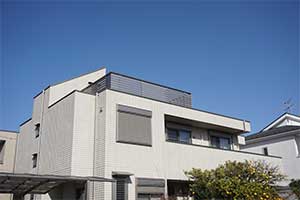
Faa Adiction Services is committed to assisting anyone with a drug or alcohol abuse issue in Minot, North Dakota and its surrounding areas find full recovery. It provides several services - such as outpatient detox centers, outpatient hospital programs, long term drug and alcohol rehab facilities, inpatient drug treatment, short term drug and alcohol rehab facilities and others - in line with its belief of the addiction treatment and rehab modalities that work in recovery. This addiction treatment center also believes that clients require individual care to be able to stop abusing drugs and alcohol.
As such, Faa Adiction Services has specialized in individual psychotherapy, cognitive/behavior therapy, matrix model, group therapy, contingency management/motivational incentive, 12-step facilitation approach and more. At the same time, it accepts clients who are clients with HIV/AIDS, co-occurring mental and substance abuse disorders, substance abuse education, veterans, persons with eating disorders, domestic violence, and others. This alcohol and drug treatment facility uses treatment methods that can assist clients to maintain lasting and permanent sobriety and abstinence from the substances of abuse that they have used in the past.
In terms of payment, clients in Faa Adiction Services can pay for services using private insurance, cash or self-payment, medicare, medicaid, sliding fee scale, access to recovery (atr) voucher, state corrections or juvenile justice funds and others.
 407 3rd Street SE
Minot, ND. 58701
701-857-2480
Trinity Health is a nonprofit, integrated healthcare system providing a full complement of healthcare services to the people of North Dakota and Eastern Montana.
 7 3rd Street SE
Minot, ND. 58701
701-838-1422
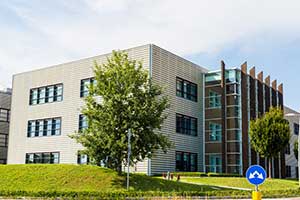
Bob Hayes Addiction Services PLLC is committed to assisting anyone with a drug or alcohol use disorder in the local community find complete recovery. It offers several services - such as outpatient detoxification centers, outpatient counseling, long term drug and alcohol rehab facilities, inpatient drug rehab programs, short term drug and alcohol rehab centers and others - in keeping with its philosophy of the recovery treatment and rehab methods that work in recovery. This alcohol and drug rehab also believes that clients require individual treatment and care to be able to maintain their sobriety.
As such, Bob Hayes Addiction Services PLLC specializes in individual psychotherapy, cognitive/behavior therapy, matrix model, group therapy, contingency management/motivational incentive, 12-step facilitation approach and more. At the same time, it accepts patients who are clients with HIV/AIDS, co-occurring mental and substance abuse disorders, substance abuse education, veterans, persons with eating disorders, domestic violence, and others. This alcohol and drug rehab facility uses treatment methods that can assist clients to maintain sobriety and abstinence from the substances abused in the past.
In terms of payment, clients in Bob Hayes Addiction Services PLLC can pay for services using private insurance, cash or self-payment, medicaid, medicare, sliding fee scale, access to recovery (atr) voucher, state corrections or juvenile justice funds and others.
 6301 19th Avenue NW
Minot, ND. 58702
701-852-3628
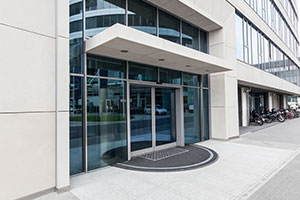
The Dakota Boys and Girls Ranch is located in Minot, ND. It is a Christian educational and treatment facility that takes care of the needs and requirements of children as well as those of their families and other loved ones. It offers a wide variety of recovery and treatment services, including mental and behavioral health care and substance abuse treatment.
 300 30th Avenue NW
Minot, ND. 58703
701-858-1801
Community Medical Services is a leading Methadone addiction and treatment center in Phoenix, Arizona. We offer caring and effective treatment programs to help you overcome methadone addiction, including individualized counseling. Through our maintenance and We treat patients with confidentiality and dignity.
Find Drug and Alcohol Treatment Centers in or around the following North Dakota cities:
Top Cities For Recovery:
Commonly Asked Questions about Addiction and Treatment
What are the signs of liver damage from alcoholism?
Alcoholism, or Alcohol Use Disorder (AUD), can lead to liver damage over time as the liver struggles to process excessive amounts of alcohol. Liver damage due to alcoholism can manifest in various ways, with signs ranging from mild to severe. Some common signs of liver damage from alcoholism include:
- Jaundice: One of the most recognizable signs of liver damage is the yellowing of the skin and eyes, known as jaundice. This occurs when the liver is unable to properly process bilirubin, a waste product that accumulates in the body.
- Abdominal pain: Individuals with liver damage may experience pain or discomfort in the upper right abdomen, where the liver is located.
- Swelling in the abdomen: Liver damage can lead to the accumulation of fluid in the abdominal cavity, a condition known as ascites. This can cause swelling and discomfort in the abdomen.
- Fatigue: Impaired liver function can result in persistent fatigue, weakness, and a general lack of energy.
- Dark urine: Liver damage can cause the urine to become darker in color, often appearing brown or tea-colored.
- Pale or bloody stools: Individuals with liver damage may notice pale, clay-colored, or bloody stools, indicating that the liver is struggling to process waste products.
- Bruising or bleeding easily: The liver plays a crucial role in blood clotting. When the liver is damaged, it may struggle to produce adequate clotting factors, resulting in easy bruising or prolonged bleeding from minor cuts or injuries.
- Loss of appetite: Liver damage can lead to a decreased appetite or unexplained weight loss.
- Nausea and vomiting: Impaired liver function can cause feelings of nausea or even vomiting.
- Itchy skin: Liver damage can result in the buildup of bile salts in the skin, leading to itchiness and irritation.
- Spider angiomas: Some individuals with liver damage may develop small, spider-like blood vessels visible beneath the skin, known as spider angiomas.
- Confusion or disorientation: In advanced cases of liver damage, toxins that would normally be filtered by the liver can build up in the bloodstream and affect brain function, leading to confusion, disorientation, or even coma.
It is important to seek medical attention if you or someone you know is experiencing signs of liver damage from alcoholism. Early diagnosis and intervention can help prevent further damage and improve the chances of recovery. Treatment may include abstaining from alcohol, making lifestyle changes, and addressing any underlying health conditions contributing to liver damage.
What are the different ways to pay for addiction treatment?
"Paying for addiction treatment can be a significant concern for individuals and families seeking help. However, there are various options available to help cover the costs, making it more accessible to those in need. Here are some common ways to pay for addiction treatment:
- Insurance: Many health insurance plans, including those offered through the Affordable Care Act (ACA) or provided by employers, cover addiction treatment services to some extent. Coverage may include detoxification, inpatient or outpatient treatment, counseling, and medication-assisted treatment. It is essential to review your insurance policy or consult with your insurance provider to understand the specifics of your coverage, any copayments, and deductibles that may apply.
- Medicaid and Medicare: Both Medicaid and Medicare, government-funded health insurance programs, provide coverage for addiction treatment services for eligible individuals. Medicaid coverage varies by state, so it is crucial to check the guidelines and benefits for the state you reside in. Medicare covers addiction treatment under Part A (hospital services), Part B (outpatient care), and Part D (prescription medications).
- Private pay: Some individuals may choose to pay for addiction treatment services out of pocket, either because they do not have insurance coverage or prefer not to use their insurance for privacy reasons. Many treatment facilities offer sliding scale fees, payment plans, or discounts to make treatment more affordable for private pay clients.
- State-funded treatment programs: In many states, there are publicly funded addiction treatment programs that offer services to residents at low or no cost. These programs often prioritize individuals with low income, no insurance, or severe addiction issues. Availability and eligibility criteria may vary by state, so it is important to research and contact your state's department of health and human services for more information.
- Employee Assistance Programs (EAPs): Some employers offer Employee Assistance Programs, which provide confidential support, resources, and referrals for employees dealing with personal issues, including addiction. EAPs may cover the cost of short-term counseling or help connect employees with appropriate addiction treatment services.
- Scholarships and grants: Some treatment facilities, non-profit organizations, or advocacy groups may offer scholarships or grants to help cover the cost of addiction treatment for individuals in need. These opportunities may be limited and often require an application process, but they can be a valuable source of financial assistance.
- Crowdfunding and fundraising: Some individuals turn to crowdfunding platforms or organize fundraising events to help cover the costs of addiction treatment. This option allows friends, family, and community members to contribute and support the individual's journey to recovery.
- Loans: Personal loans or healthcare-specific loans can be used to finance addiction treatment. While taking on debt may not be ideal, it is an option to consider if other funding sources are not available.
"
How can I support my adult child in their recovery process?
Supporting an adult child in their recovery process can be a challenging yet crucial role. Here are some ways you can provide support:
Educate Yourself: Learn about addiction and the recovery process. Understanding the nature of your child's struggle can help you provide more effective support and reduce misperceptions and stigma.
Encourage Treatment: Encourage your child to seek professional help and stay engaged with their treatment plan. This could involve therapy, counseling, medication-assisted treatment, and/or participation in a recovery support group.
Be Patient and Understanding: Recovery is a long and challenging process that often involves setbacks. Be patient with your child's progress and provide emotional support and encouragement.
Promote Healthy Lifestyle: Encourage your child to maintain a healthy lifestyle. This could involve supporting them in adopting healthy eating habits, regular physical activity, and adequate sleep. Also, help them find healthy coping mechanisms and hobbies to replace substance use.
Support Their Independence: It's important for your adult child to feel capable and independent. While it's important to support them, avoid taking over their responsibilities. Instead, encourage them to take charge of their own recovery.
Set Boundaries: Clear, healthy boundaries are crucial in any relationship, but especially when dealing with addiction. Communicate your limits openly and honestly. For example, you might make it clear that you won't provide financial support for substance use.
Attend Family Therapy: Consider participating in family therapy or counseling. This can help you understand how to better support your child, improve communication, and address any issues within the family dynamic that may contribute to the substance use disorder.
Join a Support Group: Consider joining a support group for parents of adults with substance use disorders. These groups can provide understanding, advice, and resources.
Take Care of Yourself: Remember, you can't pour from an empty cup. Ensure you're taking care of your own physical and mental health too. Seek support when you need it, and take time for self-care.
National Non Profit Helpline - 1-877-882-9275
Our National Non Profit Helpline is a 24/7, 365-day-a-year treatment referral and information service for individuals and families faced with mental and/or substance use disorders.
All calls are strictly confidential
Our service provides referrals to licensed treatment facilities, support groups, and community-based organizations. You don't have to struggle alone with addiction. Help is just a phone call away. Call 1-877-882-9275 now to get the help you need and deserve.
1-877-882-9275







